
By: Bara Winatha
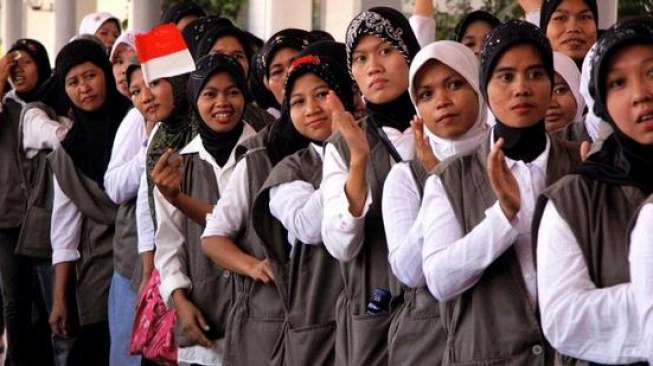
The Indonesian government continues to demonstrate a strong commitment to expanding access to international labor markets for Indonesian migrant workers (PMI). Through a series of strategic bilateral meetings and the launch of various support initiatives, the government is working to increase the absorption of skilled and professional Indonesian workers, particularly in European and East Asian countries. These efforts are part of a broader national policy aimed at improving the quality of labor migration governance while ensuring the protection and welfare of migrant workers abroad.
Minister for the Protection of Indonesian Migrant Workers (P2MI), Abdul Kadir Karding, stated that there are significant opportunities for Indonesian workers to fill labor shortages in various strategic sectors in destination countries such as the Netherlands and Germany. He noted that the government has observed growing demand for labor in healthcare, hospitality, and technical sectors across several European countries, which Indonesia can tap into through intergovernmental cooperation.
The government is not only focused on increasing the number of placements but is also committed to improving the governance of migration processes to ensure they are fair, transparent, and fully protective of migrant workers’ rights. The Ministry of P2MI, in collaboration with the German Embassy in Jakarta, emphasized the importance of developing a holistic placement governance system based on shared interests. This approach reflects the government’s ongoing reform agenda for the protection of migrant workers.
As part of this cooperation, Indonesia and Germany launched two key programs: the Integrated Information Center for Migration, Vocational Training, and Development in Indonesia (MOVE-ID), and the Southeast Asia Competence Center for Skilled Labor Migration to Germany (KSM). These programs are expected to serve as support infrastructure for preparing skilled Indonesian workers to compete globally. The launch was further strengthened by the signing of a Memorandum of Understanding between Deutsche Gesellschaft für Internationale Zusammenarbeit (GIZ) GmbH and Goethe-Institut Indonesien.
German Ambassador to Indonesia, Ina Lepel, explained that this partnership is driven by Germany’s increasingly challenging demographic conditions. The country is facing a rapidly aging population and a shortage of young workers, leading to labor shortages in several critical sectors. Additionally, Germany’s decarbonization and digitalization efforts have accelerated the demand for skilled workers, particularly in healthcare, engineering, information technology, green jobs, hospitality, and construction.
Ina Lepel also noted that Indonesia is currently enjoying a demographic bonus, with a large population of young, productive people. This creates a mutually beneficial opportunity for Indonesia and Germany, in which Germany’s labor needs can be met by an increasingly competent and professional Indonesian workforce.
Meanwhile, in East Asia, the Indonesian government is also strengthening strategic relations with Taiwan, a key destination for Indonesian migrant workers. Deputy Minister of P2MI, Christina Aryani, said that Taiwan remains one of the most favored destinations for PMIs, with more than 115,000 Indonesians employed in the domestic and caregiver sectors. Taiwan accounts for up to 30 percent of global PMI placements, making it a vital partner in Indonesia’s labor diplomacy.
During a meeting with delegates from Taiwan’s Ministry of Foreign Affairs and the Taipei Economic and Trade Office (TETO) in Jakarta, Aryani highlighted the development of the Command Centre infrastructure as an innovation in migrant worker protection. This service hub enables the government to respond swiftly to issues faced by Indonesian migrant workers abroad, including those in Taiwan.
Furthermore, Indonesia and Taiwan are exploring new placement opportunities in sectors such as hospitality and transportation, beyond the traditionally dominant domestic sector. Diversifying employment sectors is crucial to expanding job opportunities for Indonesian workers and increasing the economic value of labor migration. This initiative aligns with the strategic direction of the P2MI Ministry to prioritize skilled migrant workers with international competitiveness.
The government’s efforts in establishing bilateral cooperation pathways are not solely aimed at increasing placement numbers but also focus on improving quality and ensuring the protection of migrant workers’ rights. Various policies to strengthen migration systems and expand foreign labor markets are part of a broader strategy for sustainable human resource development. These measures aim to create a healthy, competitive migration ecosystem that contributes significantly to national development.
Additionally, the government’s proactive steps in responding to global labor demands serve as a strategic diplomatic effort. Through bilateral meetings and international partnerships, Indonesia is asserting its role as a labor-sending country capable of guaranteeing the professionalism and quality of its workforce. This further reflects Indonesia’s readiness to be part of the solution to global labor disparities caused by demographic shifts and industrial transformation in many countries.
The author is a Social and Community Affairs Analyst.
