

By: Rika Prasatya )*
Since officially taking office as President of the Republic of Indonesia on October 20, 2024, Prabowo Subianto has demonstrated a decisive, courageous leadership style that champions the national interest. One of his most notable achievements was the successful renegotiation of import tariffs with the United States (US), which positively impacted the national manufacturing sector.
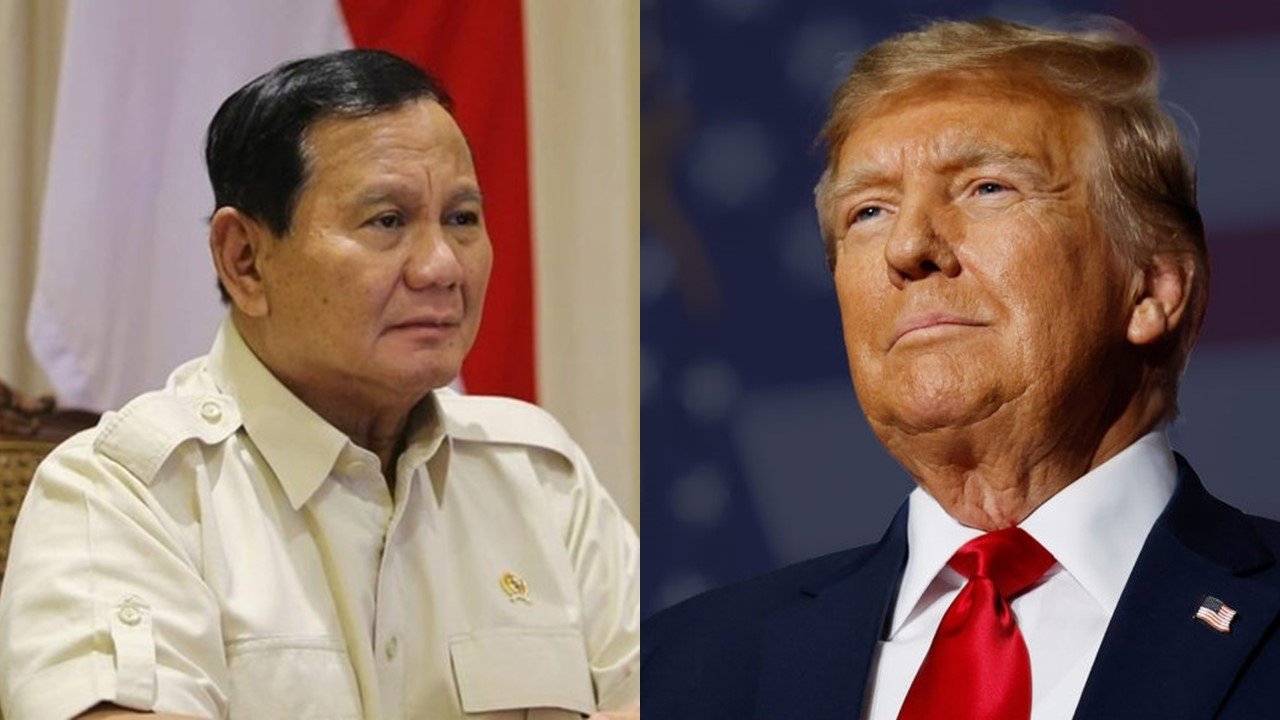
The Head of the Presidential Communication Office (PCO), Hasan Nasbi, confirmed that the reduction in import tariffs set by the United States on Indonesia, from the original 32 percent to 19 percent, occurred due to direct negotiations conducted by President Prabowo Subianto with US President Donald Trump.
According to him, the reduction cannot be considered a small step forward or success. Hasan understands that Indonesia’s struggle to obtain a reduction in US import tariffs is inextricably linked to the efforts of the negotiating team led by Coordinating Minister for Economic Affairs Airlangga Hartarto.
Hasan Nasbi explained that US import tariffs on Indonesia are the lowest among ASEAN countries. He said that before Indonesia, Vietnam served as a benchmark for successful negotiations with the US government, resulting in a tariff reduction of 46 percent to 20 percent.
Minister of Industry Agus Gumiwang Kartasasmita stated that national industry players greatly appreciate President Prabowo’s achievement in renegotiating Indonesian import tariffs with the US. He believes this is clear evidence of Prabowo’s leadership in championing the interests of domestic industry on the global stage.
This success is particularly felt in labor-intensive sectors, such as textiles and footwear, where more competitive tariffs open up broader export access. Minister Agus stated that these tariff changes will increase the competitiveness of Indonesian products in the US market. This also has a direct impact on industry, particularly in terms of utilization, job creation, and strengthening the national industrial structure. This is an effective strategy for increasing domestic production and absorbing labor, while simultaneously strengthening Indonesia’s position in the global supply chain.
Meanwhile, NT Corporation President Commissioner Nurdin Tampubolon also welcomed and appreciated President Prabowo Subianto’s success in lobbying President Donald Trump to reduce reciprocal tariffs on Indonesia from 32 percent to 19 percent.
As a businessman, Nurdin Tampubolon stated that the reduction in reciprocal tariffs for Indonesia is good news. He said Indonesia receives a significant incentive compared to other ASEAN countries, especially compared to China and other large countries. Therefore, the government’s success in lobbying the US must be supported.
According to him, Donald Trump’s actions in Indonesia are an example of what the Indonesian people and the Prabowo Subianto administration can do. He believes the success of President Prabowo Subianto’s administration in negotiating import tariffs can be a driving force for all Indonesian stakeholders, especially the government and businesspeople, particularly entrepreneurs and practitioners, to support the increasing productivity of Indonesian products.
Cabinet Secretary Teddy Indra Wijaya assessed that the US trade tariffs imposed on Indonesia are among the lowest in Asia. President Prabowo took a direct role in the negotiations, determined to champion national interests.
Cabinet Secretary Teddy stated that this trade tariff agreement strengthens Indonesia’s position in global trade. Furthermore, this achievement comes shortly after Indonesia and the European Union agreed on zero percent trade tariffs, which also expanded market access for national products in the European region. Furthermore, Cabinet Secretary Teddy stated that the relevant minister, namely the Coordinating Minister for Economic Affairs, would immediately follow up on the agreement.
President Prabowo’s success in negotiating a reduction in US import tariffs to 19% is a milestone in Indonesian economic diplomacy. This move not only boosted the nation’s diplomatic confidence on the global stage but also opened up real opportunities for Indonesian exporters.
Tariff negotiations are no easy feat. Dealing with the US, one of our largest trading partners and a country with strong protectionist policies, requires careful diplomacy and decisive leadership. This tariff reduction demonstrates the government’s ability to establish effective bilateral communication and convincingly demonstrate Indonesia’s added value and economic potential to major trading partners.
On the other hand, this tariff reduction will lower the cost of Indonesian goods entering the US market, making Indonesian products more competitively priced. This opens up opportunities for increased exports, job creation, and domestic industrial growth, particularly in sectors previously hampered by high tariffs, such as textiles, furniture, agricultural products, and manufactured goods.
This success is a starting point for further promoting fairer and more mutually beneficial trade agreements. The government needs to continue engaging businesses, maintaining product quality, and expanding economic diplomacy to ensure this achievement provides a solid foundation for long-term economic growth. Therefore, President Prabowo’s move deserves not only support but also high praise as a demonstration of commitment to Indonesia’s national interests and economic progress.
)* The author is a contributor to the Indonesian Strategic Information Study Institute
