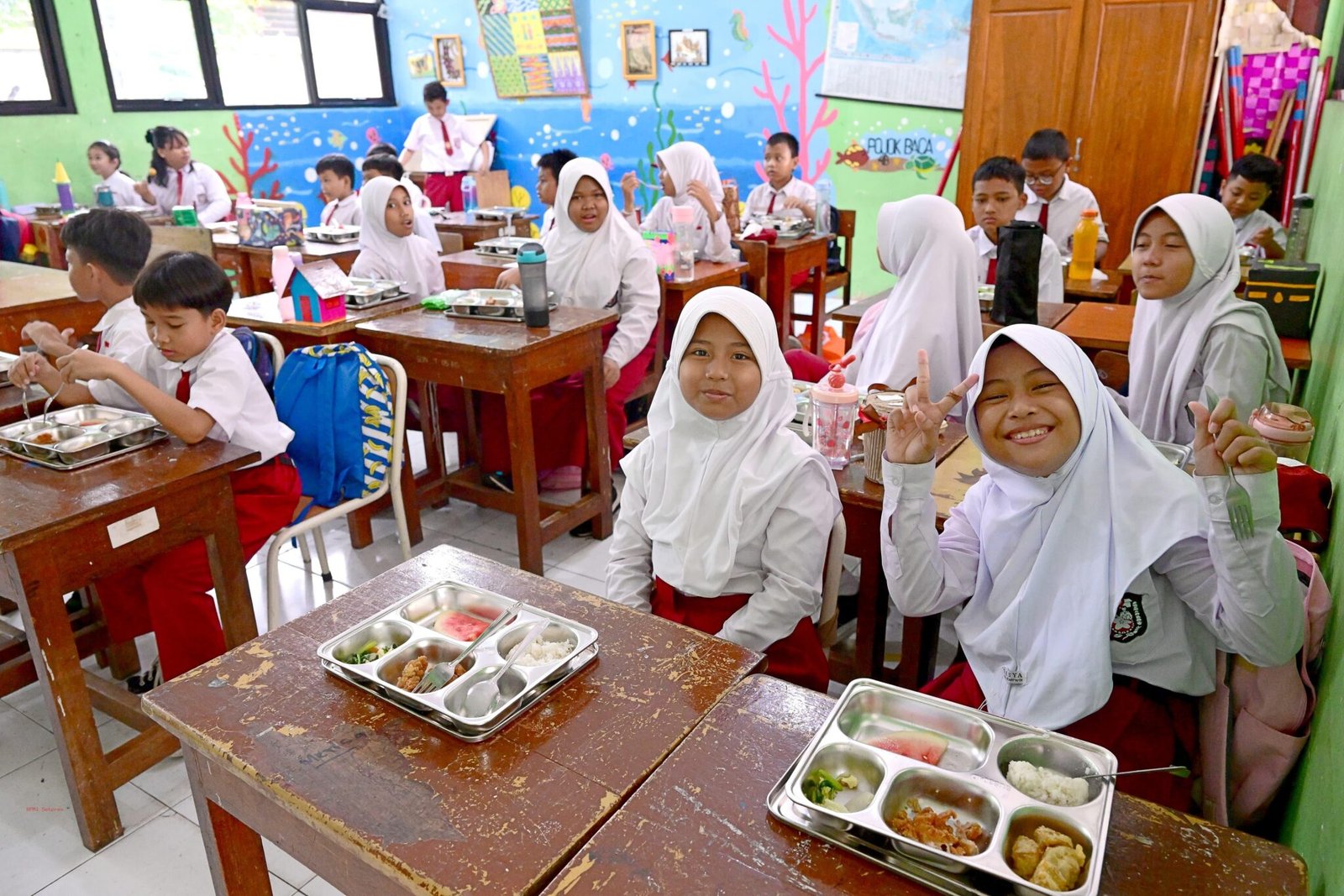
The MBG Program is a Solution to Fulfill Children’s Nutrition Needs and an Investment in the Nation’s Future

By: Andhika Utama
Improving child nutrition is key to building a healthy and intelligent generation. In Indonesia, child nutrition remains a major challenge, especially in areas with limited access to nutritious food. Malnutrition can hinder physical growth, brain development, and immune system development. Therefore, ensuring children’s nutritional needs must be a development priority. One solution currently being pursued by the government is the Free Nutritious Meals (MBG) program, which provides free, healthy food to school-age children.
The MBG program aims to ensure that elementary school-aged children have regular access to healthy and balanced meals. This program helps meet the calorie and nutrient needs of essential nutrients, such as vitamins and minerals, needed for growth. By providing nutritious meals at school, it is hoped that all children have the opportunity to grow optimally without being hampered by malnutrition. This program also represents a concrete step towards addressing the problems of stunting, wasting, and anemia, which remain prevalent in Indonesia.
In addition to improving children’s health, the free nutritious meal program also has a positive impact on education. Well-fed and well-nourished children are more able to concentrate, are more active in class, and have more energy to participate in lessons. Thus, this program contributes to improving the quality of education. Schools are a strategic location to ensure children receive a regular intake of nutritious food.
Physician and Community Nutritionist Dr. dr. Tan Shot Yen, M.hum., stated that nutrition education that builds balanced eating habits, in addition to being introduced to theory in class, can also be obtained by children at school by enjoying MBG accompanied by appropriate explanations.
Furthermore, the MBG program goes beyond providing food; it also includes education about the importance of healthy eating. Children are introduced to a variety of nutritious local foods, enabling them to understand the value of each meal they consume. Through this educational approach, the MBG program builds awareness among children from an early age about healthy eating habits, which they hope will carry into adulthood.
The MBG program also has a positive impact on the regional economy. By utilizing local food ingredients for children’s daily meals, this program encourages the empowerment of farmers, livestock breeders, and micro-enterprises in the food sector. Utilizing local products strengthens the regional supply chain and stimulates the village economy. The MBG program is a multi-sectoral policy that not only promotes children’s health but also stimulates community economic growth.
The success of the MBG program requires the support of many parties. The central and regional governments must ensure budget allocation, smooth distribution of food supplies, and monitoring the quality of food in schools. Schools play a crucial role in providing kitchens, managing logistics, and monitoring children’s consumption. Community participation, especially parents, also needs to be strengthened to ensure this program becomes a collective movement to build a healthy generation.
Meanwhile, in the West Java region, Bandung Police Chief, Senior Commissioner Aldi Subartono, SH, SIK, MH, CPHR, accompanied by Deputy Chief of Bandung Police, AKBP Ari Setyawan Wibowo, conducted a direct inspection of the location of the nutrition kitchen construction of the Bandung Police Nutrition Fulfillment Service Unit (SPPG).
Senior Commissioner of Police Aldi Subartono emphasized the Bandung Police’s commitment to supporting government programs to improve children’s nutritional quality. The establishment of the nutrition kitchens demonstrates this commitment, and his team will continue to ensure the free nutritious meal program runs optimally and provides maximum benefits for children.
Food quality control in this program must be a priority. The food provided must meet health standards, be free of hazardous materials, and comply with the Ministry of Health’s balanced nutrition guidelines. This is crucial to prevent the provision of foods that simply fill children without sufficient nutritional value. Menu standardization based on children’s calorie, protein, vitamin, and mineral needs must also be implemented evenly across all regions, including remote areas.
The MBG program truly represents a concrete response to the government’s commitment to developing superior Indonesian human resources. By prioritizing children, this program not only creates change today but also invests in the nation’s future. Healthy and intelligent children provide a strong foundation for Indonesia to face future global challenges. Therefore, the program’s implementation must be continuously expanded, refined, and periodically evaluated to ensure its effectiveness on the ground.
Amidst the challenges of global food security, the economic crisis, and the impacts of climate change, ensuring children’s access to nutritious food must remain a top priority. The MBG program is a concrete manifestation of the government’s efforts to ensure that no child is left behind simply because they don’t have access to sufficient and nutritious food. This is a strategic step that addresses not only food and nutrition but also the fundamental right of every child to live healthily, grow optimally, and achieve a brighter future.
)* Strategic Issue Observer
