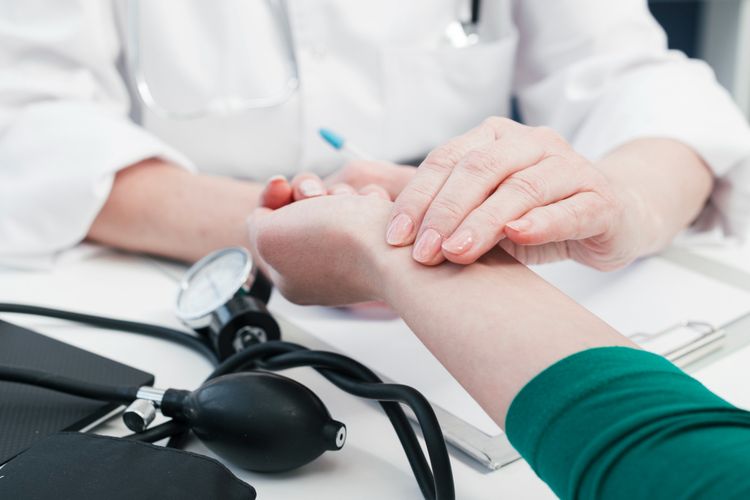
Launch of the Free Health Check Program in Schools, A Concrete Step to Ensure a Healthy and Quality Generation

By: Ratna Soemirat
The launch of the Free Health Check (CKG) program by the government through the Ministry of Health on August 4, 2025, marks a monumental step in securing a healthy, strong, and competitive future generation of Indonesia. As part of President Prabowo Subianto’s Quickwin program, CKG is a strategic breakthrough aimed at early detection of both physical and mental health issues in school-aged children. With a target to reach up to 281 million beneficiaries—53.8 million of whom are schoolchildren—this initiative underscores the government’s seriousness in building a foundation of health from an early age.
Deputy Minister of Health Dante Saksono Harbuwono stated that the implementation of CKG was intentionally scheduled at the beginning of the new academic year so all students could participate optimally. According to him, this moment was chosen because students are still gathered after the holiday break and ready to start learning activities. This approach reflects the government’s responsiveness in ensuring that health checks do not disrupt the learning process and are easily accessible.
The program is not limited to general schools but also includes madrasahs, Islamic boarding schools (pesantren), and religious educational institutions across all faiths. Minister of Religious Affairs Nasaruddin Umar emphasized that no child in the nation should be left out of this program. He stressed that free health checks in schools are aligned with religious teachings, which prioritize health as part of worship and social responsibility. The government has also instructed all Regional Offices and Departments of Religious Affairs to ensure the optimal implementation of this program, even issuing strict warnings to institutions that fail to comply. This attitude demonstrates the government’s commitment to providing health protection fairly, regardless of religious background.
Moreover, the government is giving special attention to children with special needs. Minister of Women’s Empowerment and Child Protection, Arifah Choiri Fauzi, while observing CKG implementation at the State Special School (SLB) in Semarang, highlighted the alarming fact that 93 percent of Indonesian children suffer from dental problems, while only 7 percent are considered healthy. According to her, this examination is a concrete step toward identifying and addressing health issues that are often overlooked in children, including stunting prevention, which remains a national challenge. The program is expected to provide rapid interventions to help children grow optimally without health-related barriers.
In addition to dental health, Minister of Health Budi Gunadi Sadikin revealed that vision problems are also a major concern among students. Many children experience declining academic performance not due to a lack of intelligence, but because of undetected visual impairments. Budi emphasized the importance of preventive education, especially concerning excessive gadget use, which has become a leading cause of visual issues among schoolchildren. These health checks are also integrated with local health facilities such as community health centers (puskesmas), allowing students diagnosed with health problems to receive immediate follow-up treatment.
High appreciation is due to the government, as the presence of CKG in schools proves the state’s seriousness in guaranteeing children’s health rights. This program bridges gaps in healthcare access, especially for children in remote areas, madrasahs, pesantren, and special needs schools that often face service limitations. The inclusive approach involving all educational levels and religious beliefs reflects a government vision that upholds equality and concern without discrimination.
Furthermore, the implementation of CKG strengthens synergy between schools, school health units (UKS), and local health facilities. This collaboration is vital, as schools are the most strategic starting point for early detection of health issues. Through examinations covering dental, eye, ear, blood pressure, and mental health, children receive comprehensive protection that supports their learning quality and growth.
This program is more than a routine health check—it is a long-term investment for the nation. A generation that is physically and mentally healthy forms the primary capital to develop superior human resources capable of competing globally. CKG in schools helps ensure that health issues, which often hinder academic performance, can be identified and addressed early, allowing children to seize opportunities for growth unimpeded by preventable or treatable problems.
Therefore, the launch of the Free Health Check program in schools must receive full support from all elements of society. Parents, teachers, health workers, and local policymakers are expected to actively contribute to the success of this initiative. CKG is clear evidence of the state’s presence in protecting the younger generation, and this effort must be sustained to truly deliver widespread impact for the nation’s future. With this program, Indonesia is steadily moving toward its grand vision of achieving a Golden Generation 2045 that is healthy, intelligent, and globally competitive.
Researcher on Social Issues – Nusantara Institute for Social Studies
