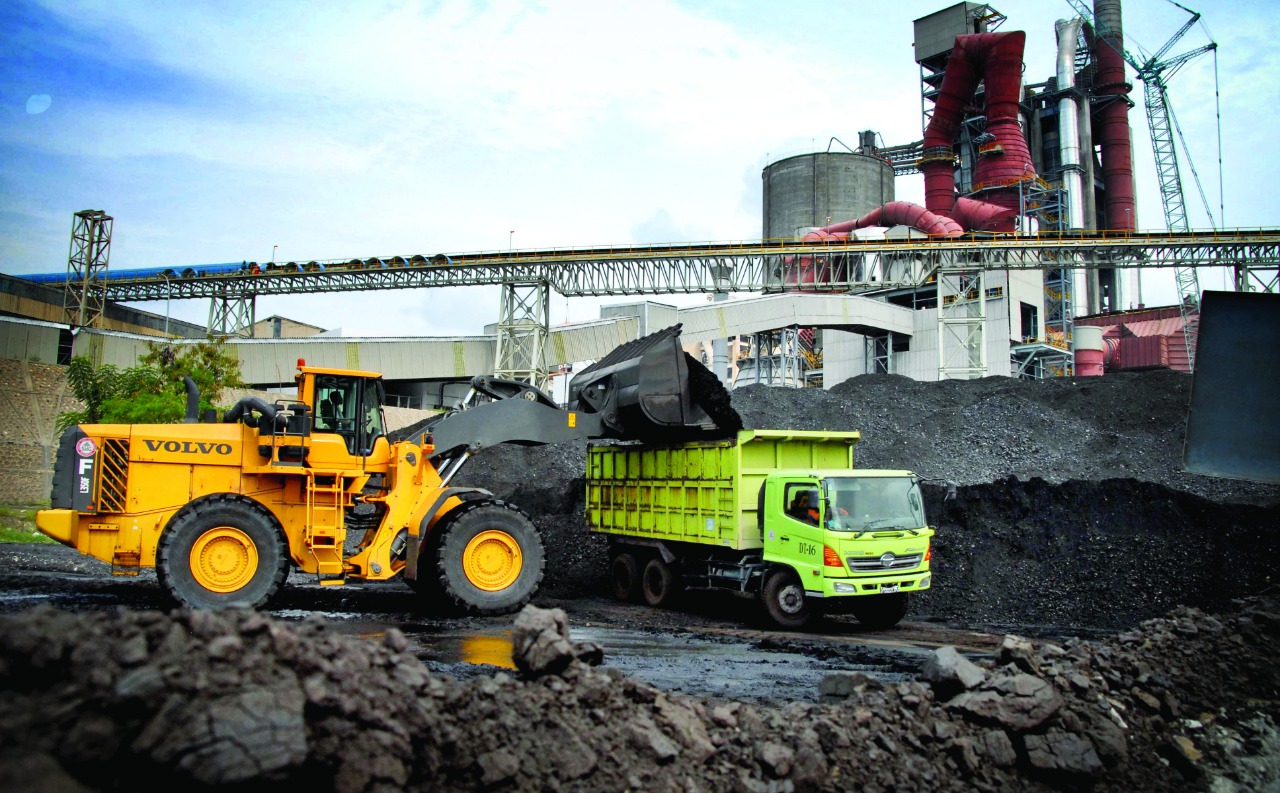

Jakarta — The government has emphasized that downstreaming is not just about building factories or banning the export of raw materials, but rather a major strategy for creating added value, creating jobs, and realizing national economic independence.
Special Staff to the Minister of Investment and Downstreaming, Sona Maesana, stated that sustainable downstreaming can occur when the investment ecosystem is healthy and supports local entrepreneurs.
In his various visits to various industrial areas, he showed that building factories alone is not enough.
“The question is: who owns the added value? Is it only foreign companies enjoying high margins, or is there active participation from Indonesians in the supply chain?” he said.
Sona emphasized that downstreaming efforts are being made to create local jobs, involve SMEs in the supply chain, and encourage Indonesian entrepreneurs to move up the ranks through partnerships.
“The investments we’re pursuing aren’t fast-moving investments, but ones that grow alongside the local ecosystem,” he said.
According to him, the government today has a dual role, namely attracting investment and ensuring that this investment has a real impact on national development.
Sona advised that downstreaming does not stop at the mineral sector, but also includes digital, agricultural, pharmaceutical, and creative sectors.
“That’s what sustainable downstreaming is all about. We need cross-sector collaboration, the courage to build, and consistent direction,” he concluded.
Sona admitted that she had been in the founder’s shoes when pitching to investors, chasing the break-even point, and facing failure because her partner was not transparent.
“Now, I’m on the policy side, and that experience has made me realize one thing. Investors’ language and government language are often different. And the job of young people in the bureaucracy like me is to bridge the gap,” he explained.
This concrete step is reinforced through collaboration between the Industrial Estate Association (HKI), the Ministry of Investment and Downstream Investment Coordinating Board (BKPM), and the Ministry of Higher Education, Science, and Technology (Kemendikti Saintek). The memorandum of understanding, signed in Bandung, was witnessed by President Prabowo Subianto some time ago.
HKI Chairman Akhmad Ma’ruf Maulana said this collaboration includes aligning industrial curricula with business needs, joint research to accelerate downstreaming, and increasing investment competitiveness.
“HKI plays an active role as a bridge between the industrial sector and educational institutions and the government, to create new competitiveness based on knowledge and innovation,” he said.
Ma’ruf is optimistic that accelerated licensing and policy synergy can boost economic growth by up to 8 percent in the next five years.
