The Government Strengthens Downstream Processing, Encourages Added Value and National Employment

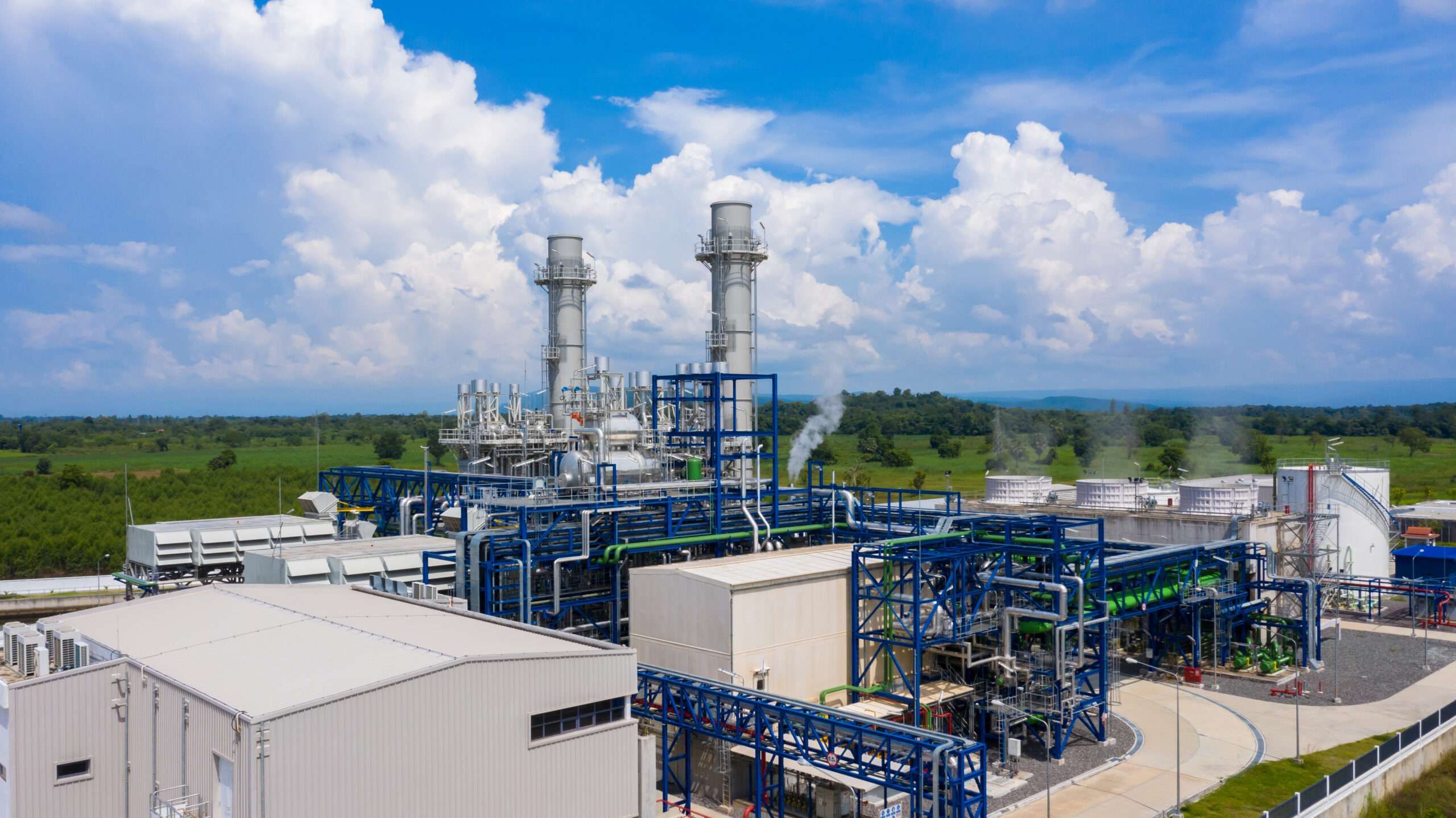
Jakarta — The government has reaffirmed its commitment to halting raw rubber exports to ensure that added value directly benefits the Indonesian people. A national-scale rubber processing plant is now ready for operation, with a capacity to process thousands of tons of raw material per month.
This step is considered strategic for encouraging industrial downstreaming, creating jobs, and optimizing the potential of national rubber plantations. The Head of the Agriculture and Plantation Service, Cut Huzaimah, stated that domestic processing will strengthen competitiveness and boost farmers’ incomes.
“Rubber production must be processed here so that the benefits directly reach the community. Exporting raw rubber only benefits others,” he said.
He emphasized the importance of maintaining investment security and stability for the sustainability of this factory. Exporting raw rubber would only benefit others, while Aceh loses significant potential revenue and added value.
Arsari Group President Director, Hashim Djojohadikusumo, stated that this factory is a concrete manifestation of downstreaming.
“The sophisticated machine can process 10 tons of wet rubber per hour, with a daily production target of 100 tons of dry rubber. Production capacity will be increased as raw materials become available,” he explained.
The Aceh Agriculture and Plantation Agency (Distanbun) will integrate the rubber industry supply chain, creating efficiency and competitiveness. The Aceh Governor and the Arsari Group are also initiating other industrial projects, such as a rice milling plant in North Aceh.
In addition, PT Pupuk Indonesia (Persero) and Petronas Chemicals Group Berhad (PCG) are expanding their strategic collaboration to strengthen the downstreaming of the fertilizer and petrochemical industry, while also supporting national and regional food security.
Pupuk Indonesia President Director Rahmad Pribadi said the collaboration includes urea-ammonia supply, technology transfer, capacity development, and a feasibility study for a methanol plant.
“This is a strategic step to strengthen the downstreaming of the national industry and improve the operational reliability of fertilizer factories,” he said.
This collaboration includes exploring potential synergies in urea and ammonia supply, transferring technical and operational knowledge, and strengthening corporate governance in the areas of Health, Safety, and Environment (HSE).
Domestically developed methanol is expected to reduce dependence on imports, encourage energy independence, and open up broad market opportunities.
This collaboration also includes technology transfer, exchange of technical knowledge, and collaboration in the field of Health, Safety, and Environment (HSE) which will strengthen the operational reliability of both companies.
“This strategic partnership demonstrates our commitment to building an efficient, competitive, and sustainable fertilizer industry. We believe this collaboration will strengthen Indonesia’s position in facing global challenges while simultaneously achieving stronger regional food security,” Rahmad concluded.
