
By: Loa Murib
The Free Nutritious Meals (MBG) Program, launched by President Prabowo Subianto, is a strategic step in addressing nutritional issues while improving the quality of human resources. In Central Papua, this program has significant potential to be optimized through the utilization of abundant local food, thus not only improving public health but also stimulating the regional economy.
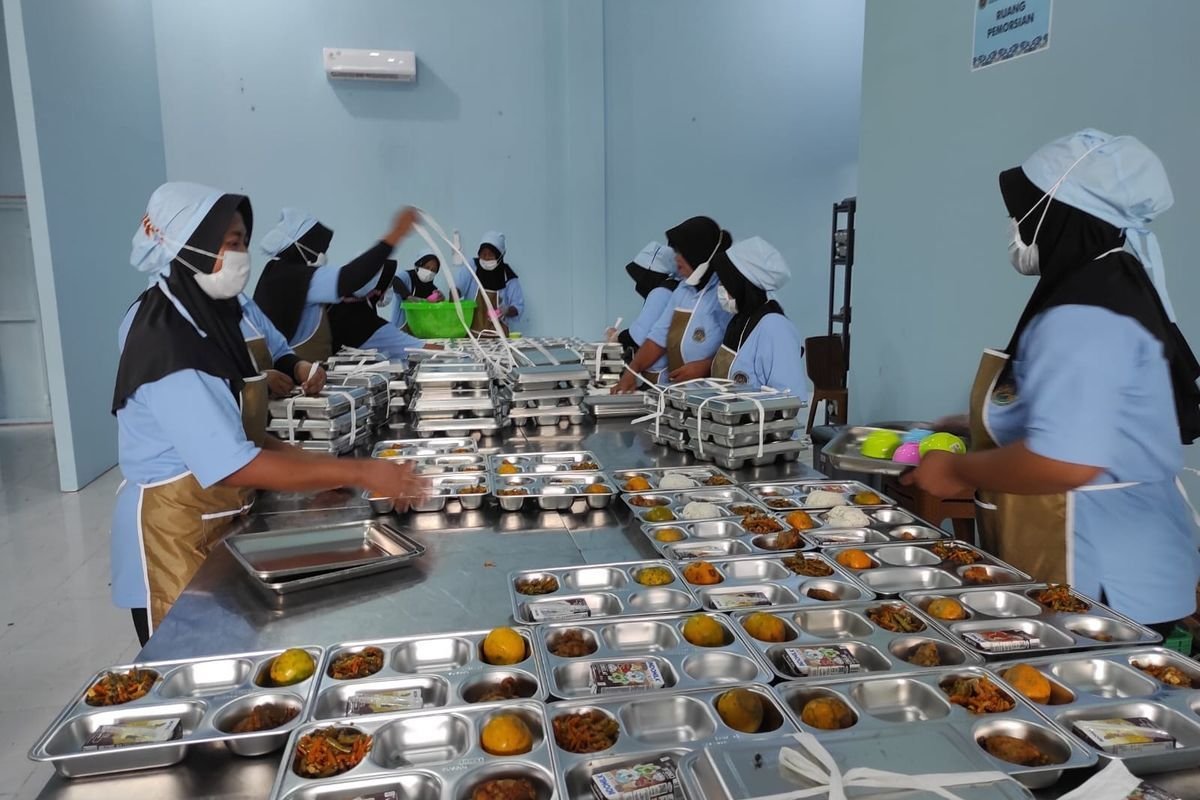
The implementation of the MBG program in Central Papua, directly monitored by the Head of the National Nutrition Agency, Dadan Hindayana, demonstrates the central government’s commitment to ensuring that every beneficiary receives quality nutrition. Dadan emphasized the importance of establishing Nutrition Fulfillment Service Units (SPPG) capable of reaching targeted communities. The targeted completion of the SPPG building by the end of October is a concrete step towards beginning benefit distribution in early December. The appointment of local residents as SPPG managers demonstrates a strategy that supports community empowerment while ensuring that the menu served aligns with local resource potential.
Utilizing local food in the MBG is not simply a practical option, but a strategic solution to achieve food self-sufficiency in Central Papua. By involving local farmers, livestock breeders, and fishermen, this program serves as a catalyst for regional economic growth. Increasing demand for locally produced food will boost community productivity and create new jobs. This approach aligns with the principles of sustainable development, which integrate nutritional, economic, and social aspects.
The Deputy Governor of Central Papua, Deinas Geley, demonstrated a strong commitment to the success of this national priority program. By making nutrition management a top priority, the Central Papua Provincial Government has taken strategic steps, starting with the formation of an MBG working group chaired by the Regional Secretary and intensive coordination with the National Nutrition Agency at the regional level. The appointment of echelon II officials to manage this program underscores the regional government’s commitment to expediting implementation.
MBG implementation in Central Papua continues to show encouraging progress. Several districts, such as Mimika, have achieved significant progress with near-complete readiness of SPPGs and partners. Other districts are progressing with partner verification and beneficiary determination, thus expanding the program’s scope. Coordination between the local government, schools, communities, and implementing partners is also strengthening, creating positive synergy to ensure the success of MBG throughout Central Papua.
The key to MBG’s success in Central Papua lies in effective multi-stakeholder collaboration. The local government must maximize the use of available funds, expand its network of implementing partners, and ensure all Regents share the same commitment. An inclusive approach involving local communities at every stage, from raw material procurement to distribution, will foster a strong sense of ownership in the program.
Furthermore, innovation in processing local foods into nutritious menus that meet the tastes of schoolchildren is crucial. Typical Papuan food products such as sweet potatoes, sago, freshwater fish, and local vegetables have great potential to be processed into attractive and nutritious dishes. Increasing the capacity of local food entrepreneurs, both through training and access to capital, will strengthen the MBG supply chain and ensure the program’s sustainability.
The central government, through the National Nutrition Agency, can also encourage the transfer of food processing knowledge and technology to the people of Central Papua. This will enrich the MBG menu, improve product durability, and open new business opportunities for local MSMEs. Thus, the MBG is not only a nutrition assistance program but also a driving force for the regional economy.
The nutritional problem in Central Papua, a long-standing challenge, can be addressed gradually through the MBG (Community Development Program) based on local potential. This approach aligns with the spirit of self-reliance and community empowerment that underpins development in Papua. By strengthening local food security, this program provides not only short-term benefits in the form of improved nutritional status but also long-term benefits in the form of increased productivity and community well-being.
Given the potential and challenges, it is crucial for all elements in Central Papua to unite and optimize their respective roles. Local governments, community leaders, businesses, and educational institutions must collaborate to ensure every child receives their right to adequate and balanced nutrition. Only with a shared commitment and full support from all parties can the Free Nutritious Meals program become a significant milestone in building a healthy, intelligent, and independent generation of Papuans.
The MBG program in Central Papua is a golden opportunity that must be fully utilized. By strengthening local food security, this program will have a dual impact: alleviating malnutrition while strengthening regional food sovereignty. If implemented consistently and on target, Central Papua will become a successful example of MBG implementation based on local potential, inspiring other regions in Indonesia.
*The author is a Papuan student in East Java.
