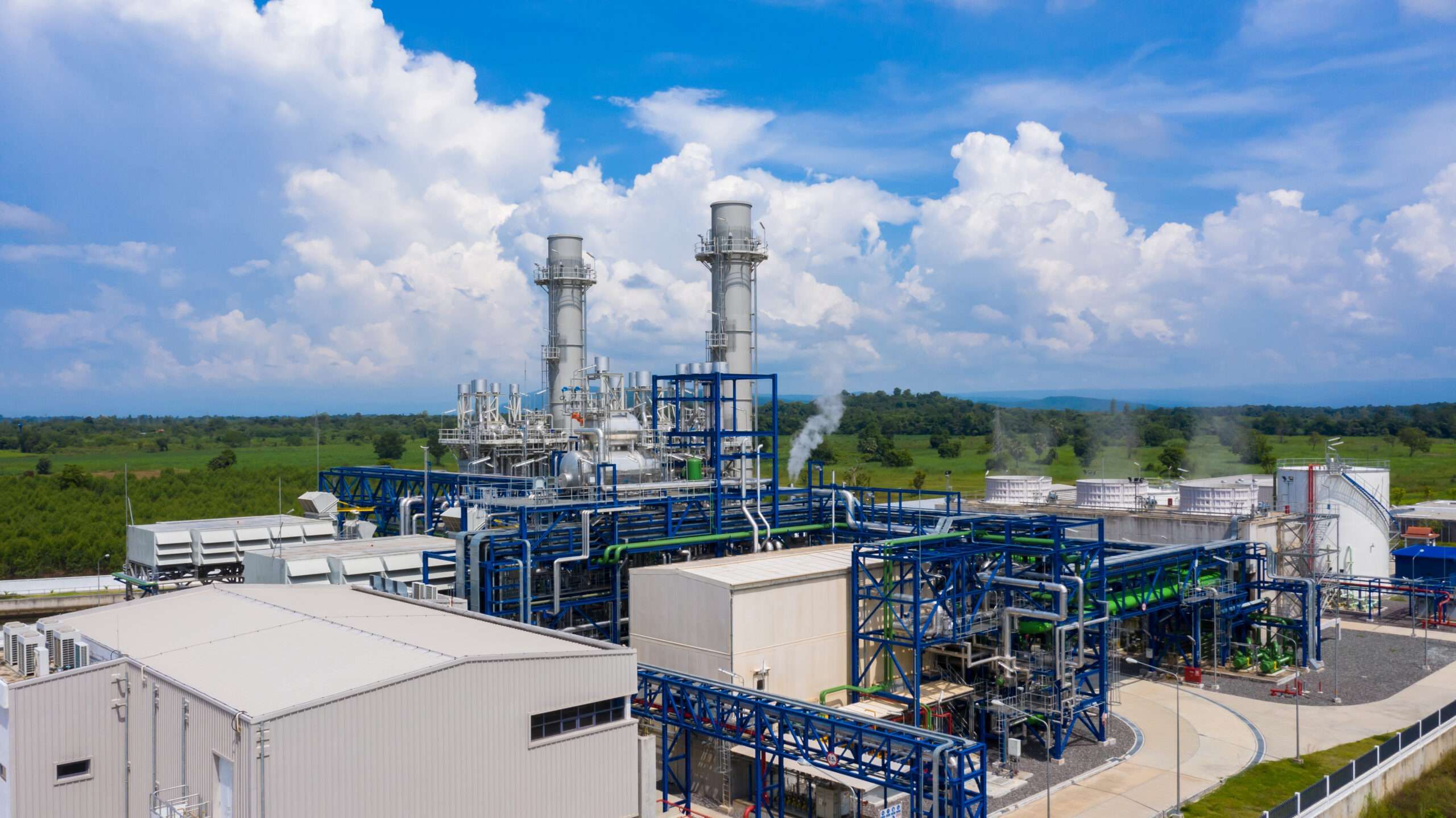
Government Strengthens Natural Gas Infrastructure to Achieve Energy Self-Sufficiency and a Sustainable Environment

By: Riko Hasibuan)
The Indonesian government is becoming increasingly aggressive in strengthening natural gas infrastructure as part of a national strategy to achieve energy self-sufficiency and a more sustainable environment. With abundant domestic gas reserves and a strategic position as one of ASEAN’s largest exporters of Liquefied Natural Gas (LNG), natural gas is being positioned as a transitional energy source that is more environmentally friendly than other fossil fuels. It is considered a strategic choice in the medium term due to its significantly lower carbon emissions compared to coal or petroleum.
The government sees gas as an energy bridge toward the clean energy era, while simultaneously preparing renewable energy sources such as hydrogen and bioenergy for the future. Indonesia has committed to reducing emissions by 29–41% by 2030, in accordance with the Paris Agreement. Furthermore, in the roadmap toward Net Zero Emission (NZE) by 2060, natural gas plays a key role in the national energy mix, especially for electricity and industrial needs. To support this, the government is ramping up infrastructure development — from transmission and distribution systems to Household Gas Networks (Jargas).
Currently, gas transmission pipelines stretch approximately 5,370 km, while downstream pipelines total 22,538 km, transporting over 1.25 trillion Million Standard Cubic Feet (MSCF) of gas through various operators. The government’s seriousness is reflected in strategic infrastructure projects such as the Cirebon–Semarang (Cisem) Pipeline and the Dumai–Sei Mangke (Dusem) Pipeline, which aim to distribute gas from surplus regions to deficit areas in Sumatra and Java.
Additionally, Pertamina Gas Negara (PGN) has set a target of adding 200,000 household connections by 2025 to provide cheaper and cleaner gas access to households and small industries. Jargas is seen as a solution to reduce reliance on 3-kg subsidized LPG — most of which is still imported — offering opportunities for subsidy efficiency and foreign exchange savings. Erika Retnowati, Head of the Downstream Oil and Gas Regulatory Agency (BPH Migas), stated that the government is actively funding critical projects such as the Cisem Pipeline and the Sei Mangke–Dumai gas distribution area through the state budget (APBN). She emphasized the role of gas infrastructure in advancing national energy independence and reducing public energy subsidies.
The economic impact of infrastructure development is significant — leading to cost efficiency and foreign exchange savings. The gas pipelines and Jargas network enable the substitution of imported LPG with domestic natural gas, potentially reducing LPG imports by around IDR 1 trillion annually and lowering LPG subsidies by IDR 0.63 trillion per year, benefitting both households and commercial sectors.
Industrial leveling and downstream development are also supported, such as the pipeline from Bintuni to Fakfak, which facilitates the downstream processing of gas into petrochemical feedstock in industrial hubs like Morowali and Makassar, creating opportunities for integrated, gas-based manufacturing industries.
Another benefit is reduced carbon footprint. As a transitional energy source, natural gas helps reduce carbon emissions in the power and industrial sectors before fully transitioning to renewables — in line with the NZE 2060 target and the 2025–2029 National Medium-Term Development Plan (RPJMN). Suseno, Head of Engineering and Technology at PGN, emphasized that optimizing gas networks and LNG terminals is essential to achieving national energy targets with competitive prices and equitable regional connectivity.
In addition, the Ministry of Energy and Mineral Resources (ESDM), through Oil and Gas Program Planning Coordinator Rizal Fajar Muttaqin, reaffirmed the government’s active role in encouraging exploration, integrated infrastructure development, and demand mapping to ensure gas energy is utilized more efficiently and directed toward high-value-added sectors of the economy. The effort to strengthen gas infrastructure is a pragmatic and ambitious policy by the Indonesian government to drive energy self-sufficiency while maintaining economic growth and environmental protection.
With support from the state budget (APBN), integrated bureaucracy, and collaboration across stakeholders throughout the upstream and downstream chains, this strategy positions natural gas as the backbone of Indonesia’s energy transition toward a fully renewable era. Gas is not just a cheaper alternative fuel but also a bridge to a cleaner, more efficient, and productive energy system. Projects like Cisem, Dusem, Bintuni–Fakfak, and the national Jargas expansion are concrete signs of the government’s commitment to inclusive and sustainable energy.
As renewable energy innovation progresses, natural gas will remain a crucial component of Indonesia’s energy mix until the achievement of the Golden Indonesia Vision 2045 and NZE 2060. With consistent policies, strong implementation, and effective oversight, the government’s natural gas infrastructure policy can help build a green economic foundation, improve national fiscal health, and protect the environment for future generations.
*) The author is a Government Policy Analyst
