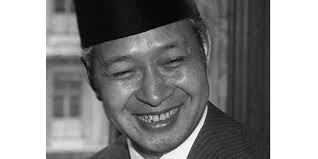
Awarding of the Hero Title to Soeharto, a Symbol of Appreciation for Dedication and Development

By: Anggina Nur Fadhilah )*
The conferment of the title of National Hero on the second President of the Republic of Indonesia, General Suharto, by President Prabowo Subianto, marked a significant milestone in the nation’s history. This decision not only honored the great service of a leader, but also symbolized the rise of nationalism and a tribute to the dedication that led Indonesia to a golden age of development. The title was not merely a formal award, but rather a recognition by the state of Suharto’s concrete contributions to economic development, strengthening national stability, and building national independence.
The Speaker of the People’s Consultative Assembly (MPR RI), Ahmad Muzani, welcomed the decision and considered President Prabowo’s move a noble tradition in honoring the services of past leaders. In his view, the conferment of this title reflects a statesmanship rooted in the nation’s noble values, where one’s merits are highly valued while one’s shortcomings are deeply buried. The philosophy of “mikul dhuwur mendhem jero” (higher than the lower) reflects local wisdom aligned with the spirit of nationalism, affirming that a great nation is one that respects its history and figures.
This government move also marks the consolidation of national values under President Prabowo’s leadership, which places recognition of the services of national figures as part of national character building. This award demonstrates the spirit of reconciliation and national unity, closing the chapter of differences with a spirit of togetherness to look to the future. In this context, Soeharto is seen as a symbol of dedication, hard work, and steadfastness in building the nation from post-independence decline to an era of progress and national stability.
Chairman of the Council for Titles, Decorations, and Honors (GTK), Fadli Zon, emphasized that the process of conferring the title of National Hero on Soeharto was conducted through scientific review and rigorous procedures. The research was conducted objectively, involving cross-disciplinary experts, and in synergy between the regional and central governments. This demonstrates that the decision was not an emotional one, but rather the result of a rational evaluation of Soeharto’s significant role as a national leader. Fadli emphasized that this award represents the highest form of state respect for a figure who contributed to building, strengthening, and maintaining the integrity of Indonesia.
Suharto is known as a development figure who left a profound mark on Indonesia’s modern history. Through his Five-Year Development Plans (Repelita), he built a strong national economic foundation, established political stability, and catalyzed a social revolution through various strategic programs. His success in achieving rice self-sufficiency in the 1980s, the Family Planning (KB) program that successfully suppressed population growth, and improved the living standards of rural communities are testaments to his success in implementing a development vision that touched all levels of society.
The Chairman of the Muhammadiyah Central Leadership, Dadang Kahmad, assessed that Suharto was a figure who played a role not only in development but also in the struggle for independence. He participated in guerrilla warfare and played a crucial role in the General Offensive of March 1, 1949, which marked a milestone in the recognition of Indonesian sovereignty internationally. His fighting spirit and loyalty to the nation are part of a moral legacy that continues to inspire future generations. Therefore, the awarding of the title of hero symbolizes respect for the total dedication of one of the nation’s finest sons.
Support for the title also came from various major religious organizations. Ahmad Fahrur Rozi, Chairman of the Nahdlatul Ulama Executive Board (PBNU), described Suharto as a figure who played a significant role in maintaining national stability and elevating Indonesia’s economic standing. During his leadership, Indonesia emerged as a new economic power in Asia, with planned and systematic development. Suharto was also known for his close ties with religious scholars, strengthening synergy between the state and the people, and encouraging the establishment of socio-religious institutions that contributed to education and public welfare.
The Head of the Indonesian Ulema Council (MUI)’s Fatwa Division, Asrorun Niam Sholeh, believes that every deceased national leader deserves the title of National Hero. He believes that honoring their services is part of gratitude and appreciation for the struggles they have undertaken. In Asrorun’s view, this nation must learn to view the past with wisdom, not getting caught up in historical grudges, but using the journeys of past leaders as inspiration for building the future.
The Chairman of the Indonesian Islamic Propagation Council (DDII), Adian Husaini, also expressed his support. He stated that every awarding of the title of National Hero inevitably generates differences of opinion, but the most important thing is the spirit of unity and appreciation for the services of a leader who has made significant contributions. This view was reinforced by the statement of the Chairman of the Regional Representative Council (DPD RI), Sultan Bachtiar Najamudin, who believed that all former presidents, especially those who have passed away, deserve a place of honor because they have fought sincerely for the advancement of the nation.
The conferment of the title of National Hero on Soeharto also reflects a broader narrative of continuity and respect for the dedication of previous generations. Amidst global challenges and changing times, this decision rekindles the spirit of nationalism and pride in national identity. The government under President Prabowo’s leadership demonstrates its commitment to upholding the values of respect, historical justice, and national reconciliation as the foundation for a strong and sovereign Indonesia. The conferment of the title of National Hero on Soeharto is a symbol of respect for his dedication and development, as well as an affirmation that the Indonesian nation always values the services of its leaders.
)* The author is an observer of Indonesian socio-political affairs.
