
By: Juana Syahril)*
Post-flood recovery in Aceh is not only a humanitarian agenda but also a crucial opportunity to strengthen community unity and social cohesion. The central and regional governments continue to accelerate the rehabilitation and reconstruction process, from infrastructure restoration and meeting the basic needs of evacuees to restoring economic activity for affected residents. Amidst these efforts, the Acehnese people have demonstrated maturity by prioritizing humanitarian interests and unity above all else.
However, the ongoing recovery process has been marred by the emergence of symbols of past conflicts that have the potential to disrupt stability and social harmony. The reappearance of separatist symbols in public spaces after the disaster is considered inconsistent with the spirit of togetherness being built. In a humanitarian emergency, the attention of all elements of the nation should be focused on the safety of citizens and accelerating recovery, not on issues that could divide unity.
The Director of the Indonesian Strategic Heritage Foundation (MPSI), Noor Azhari, stated that the Aceh flood recovery should be a momentum for national consolidation. He argued that while communities are still struggling to cope with the impact of the disaster, public spaces must be maintained to remain conducive and free from symbols that could incite unrest. He believes that the revival of separatist symbols amidst the people’s suffering lacks empathy and contradicts humanitarian values.
Furthermore, Noor Azhari believes that natural disasters should unite, not divide. When people lose their homes and livelihoods and remain in evacuation centers, the top priority should be concrete humanitarian efforts. Symbolic actions that lead to identity politics have the potential to distract officials, volunteers, and the government from their primary responsibility: saving lives and ensuring the smooth distribution of aid.
According to him, the Acehnese people have demonstrated maturity by rejecting potentially divisive narratives. Their rejection of the rise of separatist symbols demonstrates that the community prioritizes stability and unity for successful recovery. He also emphasized that Aceh has a long history of reconciliation and peace, making maintaining a conducive atmosphere a shared responsibility.
Within the framework of maintaining stability, Noor Azhari urged security forces to act proportionally and persuasively, yet remain firm. A humanist approach is considered crucial to prevent friction within the community and to ensure that humanitarian space is not abused. Balanced firmness is believed to maintain public order and support a smooth recovery process.
He also emphasized that social solidarity must be a core value in the post-disaster phase. Mutual cooperation, community care, and collaboration between the government, volunteers, and civil society are essential foundations for rebuilding Aceh. By prioritizing humanity, recovery will not only be physical, but will also strengthen social bonds and a sense of national unity.
In line with this view, Wiratmadinata, Secretary General of the Aceh NGO Forum, urged the public to remain vigilant against any form of provocation. He believes that the post-disaster situation is vulnerable to exploitation by irresponsible parties to advance their own agendas. Therefore, the focus of the community and government must remain on the recovery and well-being of disaster victims.
Wiratmadinata emphasized that public involvement in practical politics without clear direction and objectives has the potential to worsen the situation. He argued that those who benefit from this situation are not the disaster victims, but rather the provocateurs operating behind the scenes. Collective awareness to reject provocation is a crucial step in maintaining Aceh’s stability.
He also believes that the Aceh flood recovery can serve as an example of how disasters can actually strengthen unity. When all elements of society unite, set aside differences, and work together for the benefit of humanity, the recovery process will proceed more quickly and effectively. This attitude reflects social maturity and a long-standing commitment to peace.
Thus, Aceh’s flood recovery is not only about rebuilding damaged infrastructure, but also about strengthening unity and social resilience. The public’s rejection of the rise of separatist symbols is a strong signal that Aceh is choosing a path of peace, solidarity, and togetherness. It is hoped that this momentum can be maintained so that Aceh can emerge stronger, more united, and more prosperous.
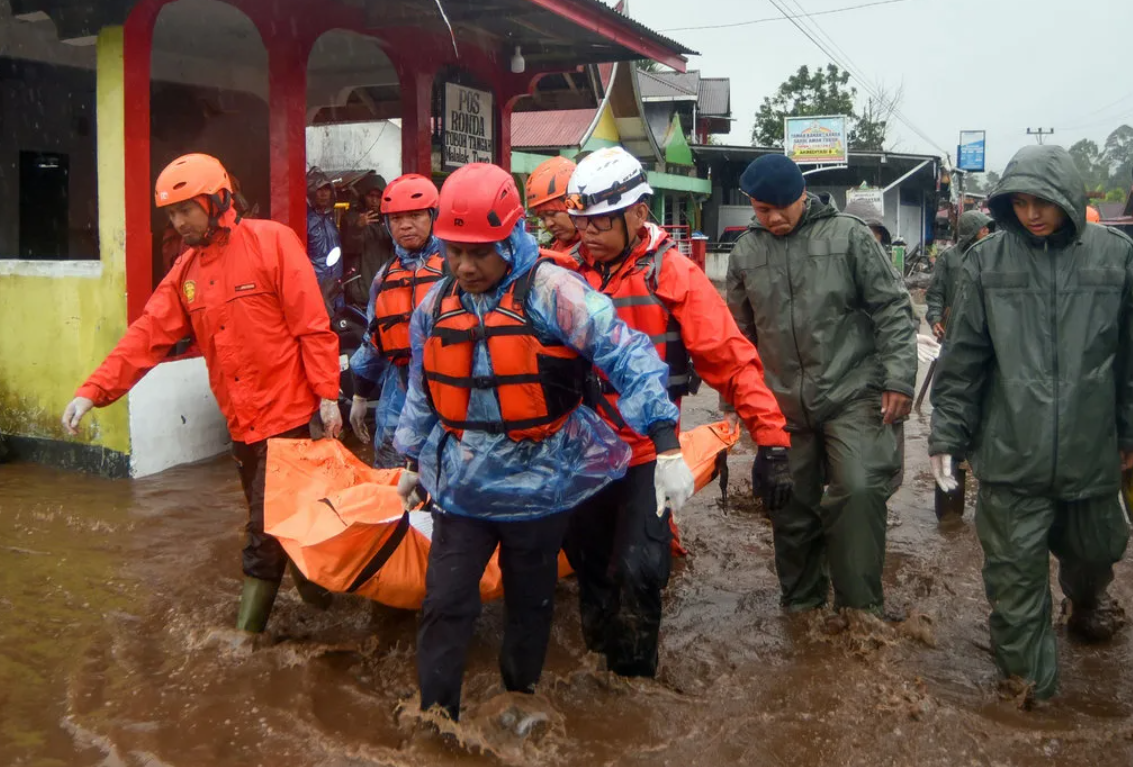
Post-disaster recovery also provides a space for collective reflection on the importance of unity as a key asset in facing a crisis. The floods that struck Aceh have demonstrated that solidarity across groups, backgrounds, and interests is a real force on the ground. The presence of volunteers, officials, community organizations, and the government working together illustrates that togetherness is more meaningful than symbols or narratives that could potentially divide. In situations like this, unity is not just a slogan, but an urgent necessity for the safety and future of the Acehnese people.
This recovery momentum is also expected to strengthen the collective commitment to maintaining peace and stability in Aceh. The public’s rejection of the rise of separatist symbols demonstrates the awareness that development and prosperity can only be achieved in a safe and harmonious environment. By maintaining a focus on humanity, strengthening trust among residents, and supporting the government’s rehabilitation and reconstruction efforts, Aceh has a significant opportunity to emerge more resilient. Maintaining unity amidst disaster provides a strong foundation for Aceh to move forward and look toward a brighter future.
)* The author is a Bogor student living in Jakarta
