
By: Dhita Karuniawati )*
The construction and provision of temporary housing (huntara) is a crucial issue in post-flood disaster management and in the context of accelerating the socio-economic recovery of affected communities in Aceh, North Sumatra, and West Sumatra. In various regions, the need for adequate, safe, and quickly occupied temporary housing is often a determining factor in the success of the transition phase from emergency response to rehabilitation and reconstruction. In this context, the synergy between the central and regional governments deserves appreciation, as it has proven to accelerate the provision of temporary housing in a more measurable manner and with real impact.
Central-regional synergy is not merely a coordination slogan, but rather a collaborative practice that combines authority, resources, and technical capacity across levels of government. The central government plays a role in policy-making, budget allocation, technical standardization, and cross-ministerial/institutional support. Meanwhile, local governments play a key role in mapping field needs, preparing land, engaging communities, and overseeing implementation. When these two roles work in harmony, accelerating the provision of temporary housing can be achieved without sacrificing quality and accountability.
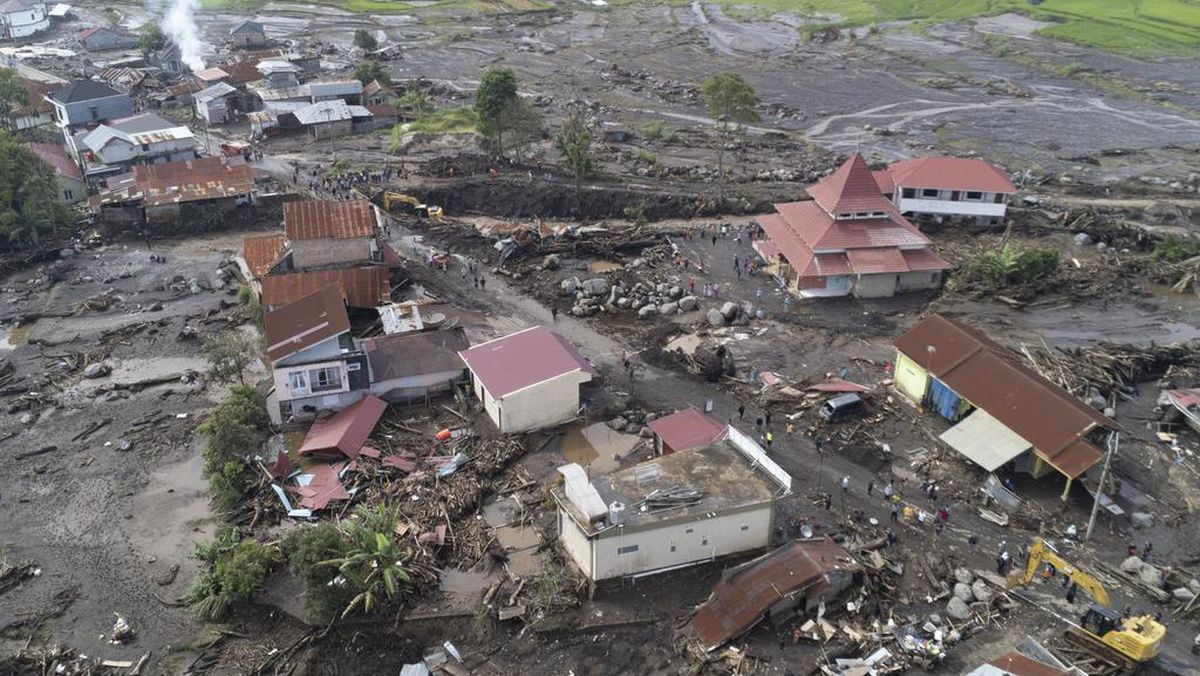
The National Disaster Management Agency (BNPB) is accelerating the construction of temporary and permanent housing for residents affected by floods and landslides in Aceh, North Sumatra, and West Sumatra as part of post-disaster recovery.
Head of the BNPB Disaster Data, Information and Communication Center, Abdul Muhari, said that the settlement sector is focused on 49,296 houses categorized as severely damaged with a target of building 27,575 temporary housing units (huntara).
To date, 4,280 temporary shelters have entered the construction phase. In Aceh Province, support from various parties has resulted in the handover of 200 housing units to affected residents in several priority locations.
Construction progress has also reached 100 percent in Blang Pandak, Pidie Regency, and in Pantee Bidari District, East Aceh Regency. Meanwhile, in North Sumatra Province, permanent housing construction has reached 648 units.
In West Sumatra Province, the government is accelerating the construction of phase I temporary shelters in Padang Pariaman Regency, consisting of 34 units centered in Nagari Anduring, Asam Pulau District, with the physical progress of most of them having exceeded 50 percent.
Abdul Muhari emphasized that this cross-sector synergy is the government’s commitment to ensuring that recovery from the impact of the disaster that occurred at the end of November last year continues until the community’s condition returns to stability.
The Ministry of Public Works (PU) is also continuing to expedite disaster relief in Aceh by constructing temporary housing (Huntara) for affected communities. One location where work has already begun is in Langkahan District, North Aceh Regency, to accommodate 60 families.
Through the construction of modular temporary shelters in Langkahan, the Ministry of Public Works hopes to provide safe, decent, and comfortable temporary housing, while supporting the acceleration of post-disaster recovery for the community in North Aceh.
Minister of Public Works, Dody Hanggodo, stated that his office is using a modular steel system that has been widely used and has proven its quality and durability.
The construction of 60 Huntara units in Langkahan is under the responsibility of the Directorate General (Ditjen) of Strategic Infrastructure of the Ministry of Public Works with the service provider PT Waskita Karya (Persero) Tbk.
Currently, the initial stages of clearing and initial structural work (umpak) have been completed on land provided by the North Aceh Regency Government. The Ministry of Public Works plans to construct five blocks and utility areas at this location, totaling 1,440 m2.
Construction of the temporary shelters is being carried out in stages as land and materials become available. The remaining shelters are currently in the site survey stage, with plans to build them in an area close to the previously constructed shelters, ensuring easy access and integrated planning for the temporary housing area.
Meanwhile, Murthalamuddin, spokesperson for the Aceh Flood and Landslide Disaster Management Post, stated that the government, along with relevant agencies, is currently accelerating the construction of temporary shelters for residents still in evacuation centers, while awaiting the completion of permanent housing (huntap) construction so that affected residents can quickly return to decent and safe homes. The government continues to strive to ensure a gradual and sustainable recovery process, allowing affected residents to return to normal life with more suitable housing conditions.
Strengthening synergy between the central and regional governments needs to be continuously maintained and enhanced. Regular evaluations, cross-regional learning, and policy innovation are key to accelerating the transition to temporary housing more effectively. The central government continues to implement responsive policies, while regional governments strengthen their implementation capacity and public participation. Thus, temporary housing truly becomes a top priority, realized through collaborative efforts, to ensure that no one is left behind in the recovery process.
Appreciation for central-regional synergy is not merely recognition of administrative achievements, but also a tribute to humanitarian commitment. When governments at all levels unite, accelerating the provision of temporary housing in disaster-affected areas can be a tangible symbol of the state’s presence: swift, precise, and on the side of the people.
*) The author is a contributor to the Indonesian Strategic Information Study Institute
