The Expansion of the MBG Demonstrates the State’s Presence in Protecting the Nutrition of the Elderly Group

By: Nadira Citra Maheswari)*
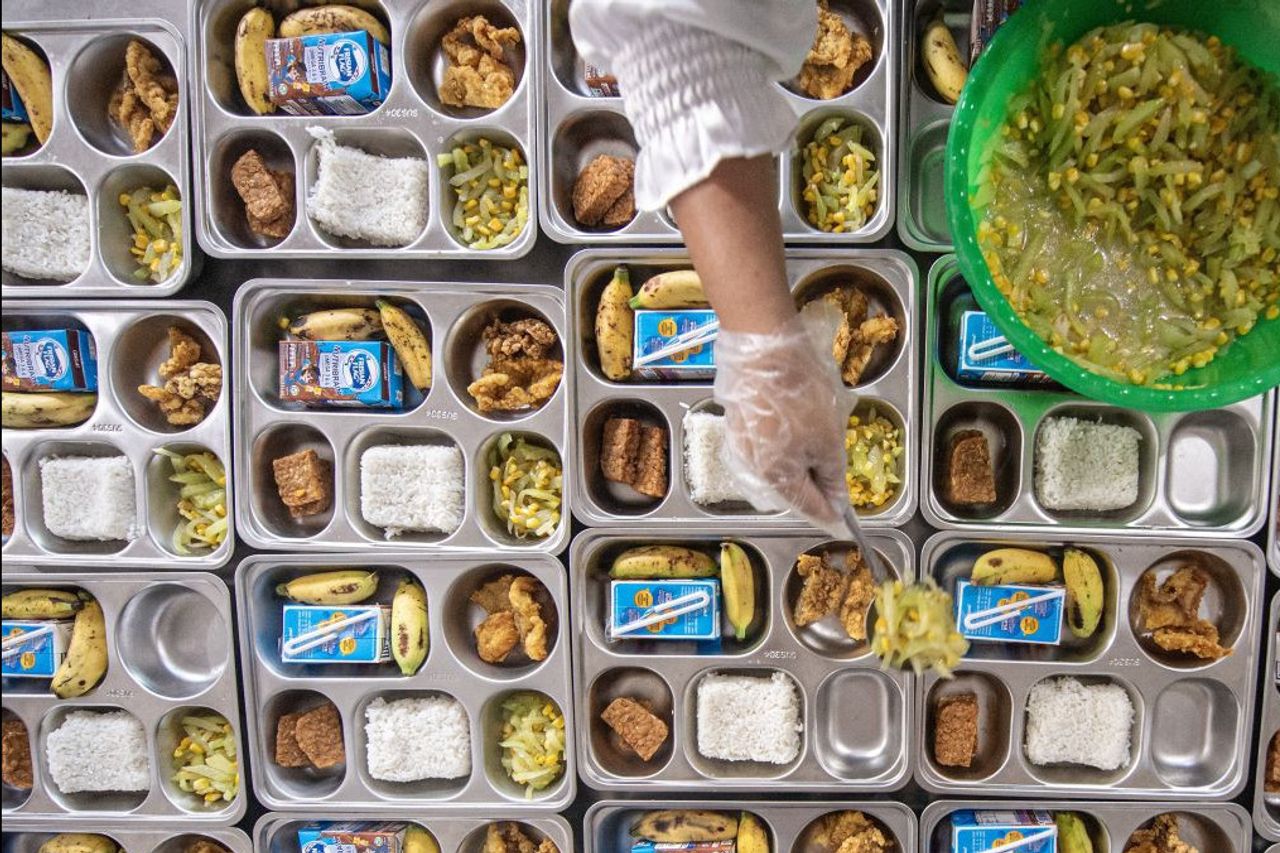
The expansion of the Free Nutritious Meals (MBG) program, which is now targeting the elderly, has received a positive response from various segments of society. This policy is seen as a strategic step by the government to ensure that older adults have sustainable access to nutritious food. While MBG has traditionally been known as a nutrition intervention for children, the expansion of its target audience to the elderly demonstrates a more comprehensive and equitable approach to human development across generations.
The MBG program for seniors is designed with an approach based on the specific needs of older adults. Food intake not only considers calorie adequacy but also a balance of macro- and micronutrients appropriate to the elderly’s physiological condition. Menus are prepared taking into account food texture for ease of consumption. This approach demonstrates that the expansion of the MBG program is not carried out uniformly, but rather adaptively to the characteristics of the beneficiaries.
The positive response to this policy also emerged because the MBG program is considered to ease the economic burden on families. Many elderly people depend on family members or live on limited incomes. The regular availability of nutritious food helps reduce household expenses while ensuring that elderly people continue to receive adequate nutrition. In this context, the MBG program functions not only as a nutrition program but also as a social protection instrument that directly impacts family well-being.
Previously, Social Affairs Minister Saifullah Yusuf stated that the government would provide MBG (Food Security Assistance) to more than 100,000 seniors aged 75 and over and 36,000 people with disabilities by 2026. In addition to providing food packages worth Rp 15,000 per portion, the Ministry of Social Affairs (Kemensos) will also provide caregivers to care for the elderly. The government emphasized that the MBG program is not merely a consumer assistance program, but part of a social and economic empowerment strategy.
Beyond the economic aspects, health benefits are a major focus. Proper nutrition for the elderly contributes to the prevention of non-communicable diseases such as diabetes, hypertension, and heart disease. A balanced diet also plays a role in maintaining cognitive function, reducing the risk of frailty, and improving overall quality of life. Therefore, MBG for the elderly has long-term potential to reduce the burden on national healthcare costs through promotive and preventive efforts.
The implementation of the MBG program for the elderly also encourages cross-sector synergy. The central and regional governments collaborate with healthcare facilities, public kitchens, and local businesses to ensure effective and targeted food distribution. The involvement of MSMEs in food supply and processing creates a multiplier effect for the local economy.
From a social perspective, this program reinforces the values of caring for and respecting the elderly. The public sees that the state exists not only for the younger generation, but also for those who have contributed throughout their lives. This fosters a sense of social justice and strengthens community cohesion. Elderly individuals who receive care through the MBG program tend to feel more valued and cared for, which positively impacts their mental and psychological health.
The expansion of the MBG is also in line with the sustainable development agenda, which emphasizes the principle of “leaving no one behind.” By including the elderly as a beneficiary group, this policy ensures that nutritional development is not exclusive. Efforts to meet nutritional needs across all ages are a crucial foundation for building healthy human resources from early childhood through old age. This lifecycle approach demonstrates the government’s long-term vision for human development.
Quality is a primary concern in its implementation. Strict nutritional and food safety standards are enforced to ensure the food seniors receive is safe and beneficial. Oversight is carried out in layers, from raw material selection and processing to distribution. This is crucial given the higher vulnerability of seniors to foodborne illnesses.
Monash University Indonesia Associate Professor of Public Health, Grace Wangge, said her institution welcomed the program, noting that several important aspects of providing MBG to the elderly must be considered, such as texture, taste, and how the MBG is administered by caregivers.
Challenges certainly remain, particularly regarding distribution in remote areas and the diverse circumstances of the elderly. However, the positive public response demonstrates the program’s strong social legitimacy. This support provides crucial capital for the government to continue refining implementation mechanisms, expanding coverage, and adapting the program to needs on the ground.
Going forward, the expansion of MBG for the elderly is expected to be integrated with primary health care services and other social welfare programs. This synergy will allow for more comprehensive monitoring of the nutritional and health status of the elderly. Integrated data allows for more targeted interventions, including menu adjustments for those with specific health conditions. This holistic approach will strengthen the program’s long-term effectiveness.
State Secretary Prasetyo Hadi stated that he has received a proposal for the MBG program for the elderly, which also applies to people with disabilities and street children. Prasetyo stated that he will review the proposal and ensure that the government accepts all input and suggestions regarding the program.
*) The author is a Content Writer at Galaswara Digital Bureau
