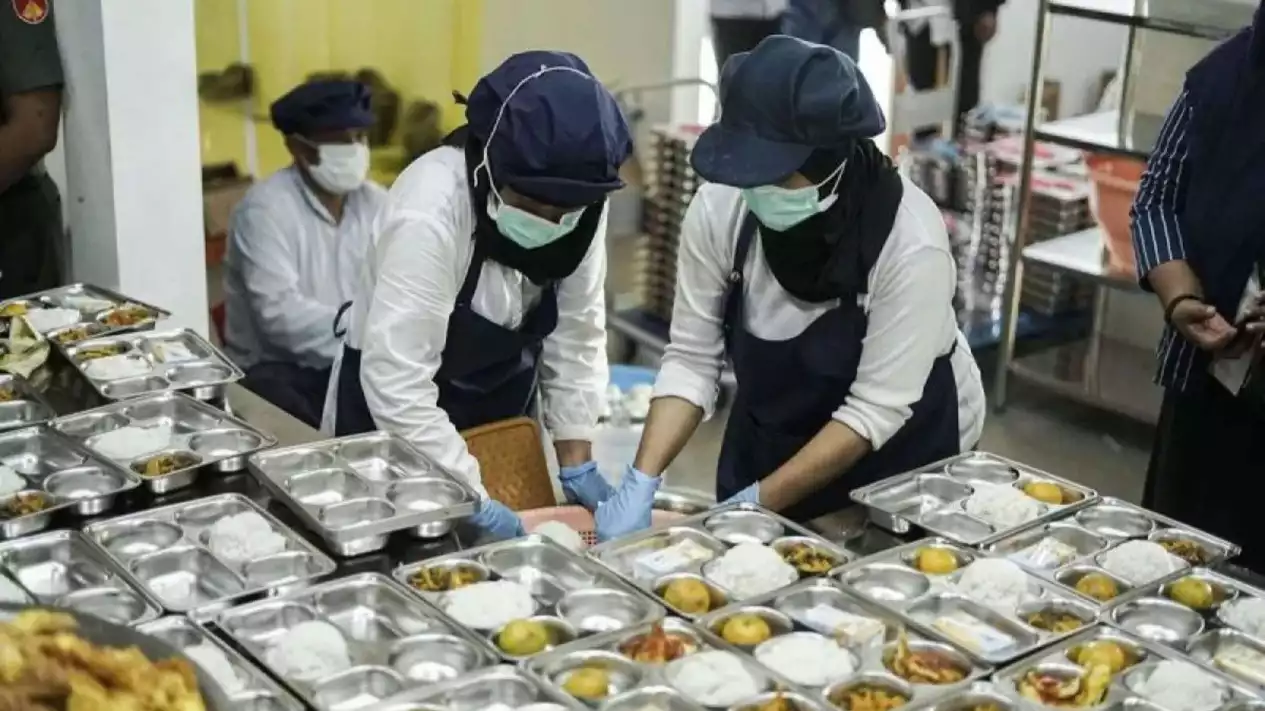

JAKARTA — The government continues to strengthen the Free Nutritious Food Program (MBG) as an effort to improve the welfare of vulnerable groups, especially neglected elderly people. Providing special nutritional portions for the elderly is considered to help maintain their health and quality of life in old age.
Social Affairs Minister Saifullah Yusuf, also known as Gus Ipul, stated that the MBG program will target neglected seniors aged 75 and over. According to preliminary data, more than 100,000 seniors are eligible for benefits. This number could grow as data is updated by the central and regional governments.
“There are over 100,000 abandoned seniors over the age of 75. It’s not a large number, and we’re still processing it,” said Gus Ipul.
He emphasized that this program had received direct approval from President Prabowo Subianto. In addition to providing nutritious food, the government is also providing support through caregivers.
“The President has approved it. So, in addition to delivering nutritious food, the caregivers will also provide care and support, as most of these elderly people live alone,” said Gus Ipul.
According to him, this service approach is part of a more holistic social transformation. Nutritional fulfillment is considered not just about providing calories, but also ensuring that seniors receive complete nutrition according to their health needs.
“This is an important step towards improving the quality of life for vulnerable groups in Indonesia,” he said.
In line with this, the Ministry of Health is strengthening the role of families as primary caregivers for the elderly. The Director of Health Services for Vulnerable Groups at the Indonesian Ministry of Health, Dr. Imran Pambudi, MPHM, explained that the majority of caregivers for the elderly in Indonesia still come from family members.
“More than 80 percent of elderly caregivers in Indonesia are family members. This is different from the situation in America and Europe,” said Imran.
Therefore, the Ministry of Health is promoting health education for the elderly not only for professional caregivers but especially for families caring for the elderly at home. According to Imran, Asian cultures, which place the family at the center of support, make this role crucial.
“We need outreach because most of them care for the elderly. While nursing homes here are good, our culture isn’t like that,” he said.
He added that families in many Asian countries, including Indonesia and China, tend to be reluctant to entrust their parents to care facilities.
“The family has a central role both physically, emotionally, and socially,” he said.
The government hopes that the MBG nutritional portion, combined with support from family and caregivers, will provide more comprehensive protection for the elderly. With this support, their quality of life is expected to improve significantly.
