Sumatra Flood Infrastructure Development Accelerated for Safety, Residents Agree to Reject Separatist Symbols

By: Nur Utunissa
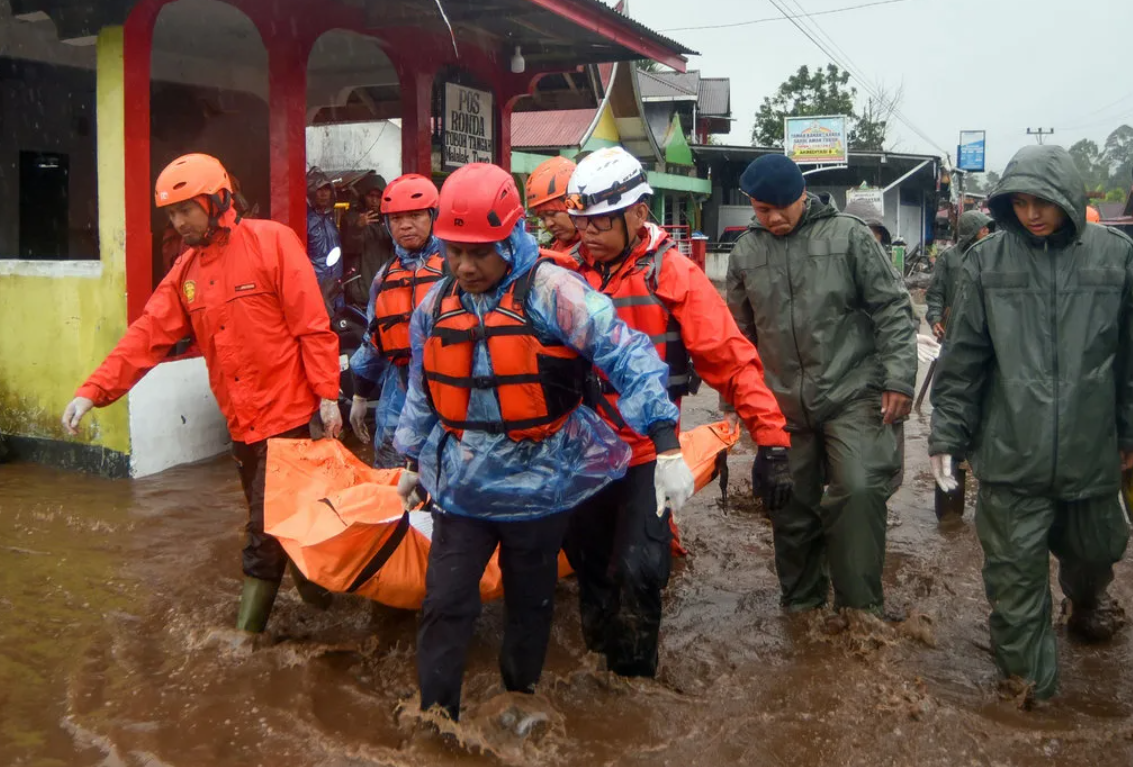
Flood control infrastructure development in Sumatra continues to be accelerated as part of the government’s comprehensive efforts to ensure the security, safety, and sustainability of community life after a disaster. The recent floods that have hit several provinces in Sumatra have served as a stark reminder of the importance of a resilient and integrated infrastructure system, not only for responding to emergencies but also for preventing similar risks in the future. In this context, accelerating infrastructure development and rehabilitation is seen as a strategic step with a direct impact on social, economic, and security stability in the region.
President Prabowo stated that he continues to emphasize the government’s commitment to expediting flood management and infrastructure recovery in areas of Sumatra affected by flash floods and landslides. He ensured that aid, logistics, and repairs to public facilities and basic infrastructure would be immediately provided, including restoring access to clean water and damaged road infrastructure. This direct approach reflects a positive attitude toward accelerating development to achieve social stability and community security post-disaster.
Various flood control infrastructure projects are currently underway simultaneously in affected areas. River normalization, embankment strengthening, drainage construction and repair, and rehabilitation of damaged bridges and roads are top priorities. These efforts are designed to restore the region’s function as quickly as possible while increasing the environment’s capacity to withstand the increasingly frequent extreme rainfall events caused by climate change. With a more planned approach based on the latest hydrological data, flood infrastructure development in Sumatra is aimed at providing long-term protection for settlements, agricultural land, and centers of economic activity.
This accelerated development does not stand alone, but is integrated with the broader post-disaster recovery agenda. The infrastructure built serves not only as a physical facility but also as a symbol of the state’s presence in protecting its citizens. Reconnected roads allow for normal logistics distribution and public mobility, while strengthened embankments and drainage systems provide a sense of security for residents to resume their activities without the threat of recurring flooding. In post-disaster situations, the speed of infrastructure recovery is crucial in preventing social uncertainty.
The government’s strategic steps have received praise from various elements of society. Nahdlatul Ulama (NU) Chairman KH Yahya Cholil Staquf, also known as Gus Yahya, expressed his appreciation for the government’s steps and strategies in addressing the impact of the natural disasters that struck several regions in Sumatra, particularly Aceh, North Sumatra, and West Sumatra. This appreciation reflects the view that disaster management encompasses more than just technical aspects, but also encompasses dimensions of humanity and social justice, which must be implemented comprehensively and sustainably.
Amidst this accelerated development process, a collective awareness emerged among the people of Sumatra regarding the importance of maintaining stability and unity. Residents widely expressed their firm rejection of the use of separatist symbols that could potentially divide the nation. This rejection reflected the understanding that the recovery and development process can only proceed optimally in a conducive, safe, and provocative environment. The social solidarity established after the disaster is crucial for maintaining order and supporting the smooth implementation of strategic government projects.
Similar views were expressed by observers and civil society. The Director of the Indonesian Strategic Heritage Foundation (MPSI), Noor Azhari, stated that Aceh’s flood recovery should serve as a momentum for national consolidation. He argued that while communities are still struggling to cope with the impact of the disaster, public spaces must be maintained conducive and free from symbols that could incite unrest. This statement emphasized that social stability is a crucial prerequisite for successful infrastructure recovery and the overall recovery of community life.
The residents’ agreement to reject separatist symbols stems from the Sumatran people’s long experience in facing various challenges, both natural and social. The flood disaster has demonstrated the close interdependence of residents and the importance of cross-group cooperation. In emergencies, barriers of difference become irrelevant, replaced by a spirit of mutual cooperation and shared concern. These values have been strengthened during the recovery process, including in the collective effort to maintain unity and social order.
The accelerated development of flood-relief infrastructure is also designed to actively involve the community. Residents’ participation in protecting the project’s surrounding environment, supporting smooth work progress, and maintaining the development results is part of the sustainability strategy. With this involvement, the constructed infrastructure becomes not only a physical asset but also a shared asset, safeguarded and maintained collectively. This awareness strengthens the bond between the government and the community in creating a safe and resilient environment.
Security is a crucial consideration at every stage of development. Strategic infrastructure projects in disaster-prone areas require adequate security to prevent disruptions to non-technical factors. In this regard, social stability and the rejection of separatist symbols are key contributing factors. A safe environment allows workers and technical personnel to perform their duties optimally, ensuring that project completion targets are met as planned.
*) The author is a Literacy Activist at the Narasi Nusa Institute
