
By: Yusufandi Idris Salim)*
Indonesia, with its social dynamics and continued growth, is at a strategic moment to strengthen sustainable environmental governance. President Prabowo Subianto, at the 2026 National Coordination Meeting (Rakornas) of the Central and Regional Governments, emphasized the government’s strong commitment to optimizing integrated and solution-oriented waste management. Waste management is positioned as a crucial part of the national development agenda, supporting people’s quality of life, beautifying public spaces, and enhancing Indonesia’s tourism appeal. Through close collaboration between the central and regional governments, this policy is aimed at realizing a clean, healthy, and competitive environment, while also reflecting the country’s commitment to building a green and sustainable Indonesia.
As part of the solution, President Prabowo launched the Indonesia ASRI (Safe, Healthy, Clean, Beautiful) Movement, a national movement aimed at creating a clean, orderly, and beautiful environment throughout Indonesia. This movement is not just a slogan, but a concrete action that must be supported by all elements of society, both at the central and regional levels, as well as the private sector. In his press conference at the Sentul International Convention Center (SICC) in Bogor Regency, the President stated that this program prioritizes cross-sector collaboration, from ministries to local governments, with the aim of actively involving all levels of society.
President Prabowo not only spoke about the importance of cleanliness but also revealed alarming projections regarding the capacity of final waste disposal sites (TPA). According to the President, almost all landfills in Indonesia are expected to reach overcapacity by 2028, or even sooner if significant measures are not taken immediately. Therefore, the ASRI Indonesia Movement is not only a social initiative but also a necessity to prevent Indonesia from being trapped in an increasingly pressing waste crisis.
To address this issue, the government is not solely focusing on conventional waste management. One innovation introduced is the development of 34 waste-to-energy (PSEL) projects in 34 major cities across Indonesia. These projects aim to convert waste into usable renewable energy sources while simultaneously reducing the amount of waste in landfills. This aligns with Presidential Regulation No. 109 of 2025, which regulates urban waste management through environmentally friendly technologies. With this scheme, waste is not only managed but also converted into energy that benefits the community.
Additionally, other tactical measures have been introduced, such as the “roofing” project aimed at beautifying residential areas. The predominant use of zinc roofs in many residential areas is considered not only aesthetically unsightly but also increases the surrounding temperature. By replacing these with more environmentally friendly and aesthetically pleasing materials, Indonesia is expected to create an environment that is not only clean but also comfortable and cool to live in.
The Minister of Environment, Hanif Faisol Nurofiq, fully supports the ASRI Indonesia Movement by reminding all levels of central and regional government to be consistent in waste management. According to Minister Hanif, waste management is a shared responsibility, shared by local governments, communities, and the private sector. One major challenge faced is the management of the ever-increasing volume of urban waste, as seen in South Tangerang City, which produces 1,029 tons of waste per day, 41.54 percent of which is not properly managed.
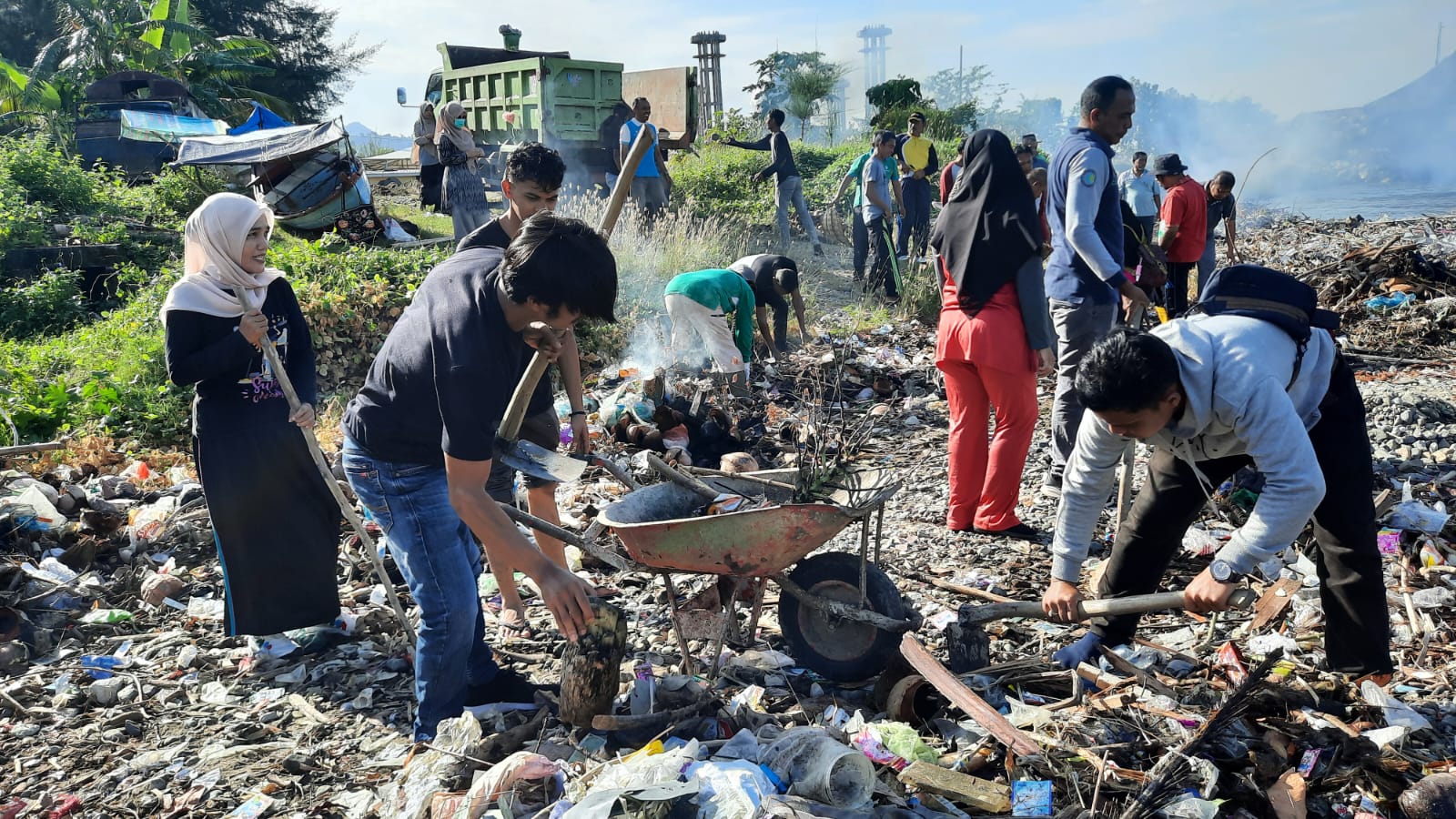
Law enforcement, education, and ongoing monitoring are important instruments to achieve Indonesia ASRI’s target of 100 percent waste reduction by 2029. As part of this movement, the government encourages local governments to collaborate with communities and the private sector in maintaining environmental cleanliness.
The Indonesia ASRI movement has also received special attention from the Minister of Tourism, Widyanti Putri Wardhana. Bali, as Indonesia’s premier tourist destination, has received serious attention from President Prabowo, who has highlighted the waste problem that is increasingly damaging the tourism industry’s image. Through cross-sector collaboration between the Ministry of Environment, the Ministry of Tourism, local governments, and the Indonesian National Armed Forces (TNI) and the Indonesian National Police (Polri), this program strives to maintain the cleanliness and comfort of tourist destinations, not only in Bali but also in all other destinations.
The Indonesia ASRI movement, which combines environmental, social, and economic aspects, has the potential to bring significant change to Indonesia. By reducing the volume of unmanaged waste and converting it to renewable energy, Indonesia can reduce its dependence on limited natural resources while creating new economic opportunities. The program also provides opportunities for communities to play a direct role in maintaining the cleanliness of their environment, a crucial step in building collective awareness.
The government, through the ASRI Indonesia Movement, is not only focusing on improving the waste management system to be more efficient but also emphasizing the importance of fostering a culture of discipline in environmental management. This concrete step combines technology, policy, and public awareness to create a clean, orderly, and environmentally friendly Indonesia. This movement demonstrates that waste management is not solely a government matter but a shared responsibility that requires the active participation of every element of society.
)*The author is an environmental and waste observer
