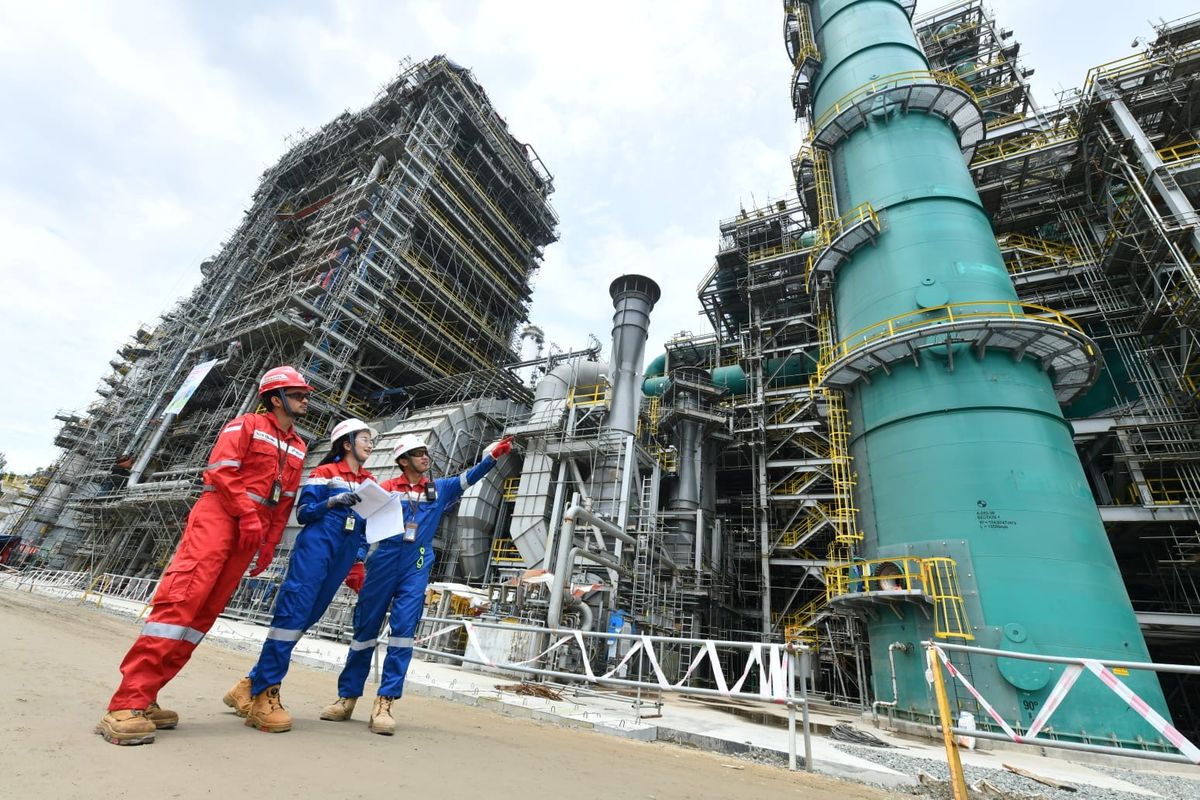
Encouraging Acceleration of Energy Self-Sufficiency through Human Resources and Downstreaming

By: Rizky Mahendra
Energy self-sufficiency has once again emerged as a national strategic agenda. Amid fluctuating global energy prices, the transition to sustainable energy, and the commitment to reduce fuel imports, Indonesia is faced with a crucial reality: energy sovereignty is determined not only by natural resources, but also by the quality of human resources and consistent energy downstreaming policies. These two factors are now the main foundation for achieving energy self-sufficiency.
The Downstream Oil and Gas Regulatory Agency (BPH Migas)’s affirmation of the importance of strengthening human resource competencies in the downstream oil and gas sector should be read as a strategic signal. Human resources are no longer positioned merely as technical implementers, but rather as the driving force that determines the direction and sustainability of national energy policy. BPH Migas views a younger generation that excels academically, is adaptable to technology, and understands the real needs of the industry as key to maintaining energy sovereignty amidst changing times.
This approach is relevant to the challenges facing the energy sector today. The transition to more environmentally friendly energy, the maintenance of aging oil and gas infrastructure, and digital disruption through the use of artificial intelligence and the Internet of Things require new competencies. The industry is no longer supported solely by operational expertise, but also by leadership, innovation, and adaptation to regulatory and technological changes.
Therefore, the idea of building an integrated human resource development ecosystem—through collaboration between regulators, industry, and academia—is crucial. A vocational education curriculum designed based on real-world monitoring and operational needs, complemented by a case study approach and the involvement of industry practitioners, is a concrete step toward bridging the educational and professional worlds. This effort emphasizes that energy self-sufficiency does not emerge overnight, but rather through long-term investment in people.
However, superior human resources alone are insufficient without a consistent, self-sufficient energy policy. This is where the palm oil-based biodiesel program plays a crucial role. For nearly two decades, the policy of blending biofuels into diesel has been a key tool to reduce imports and absorb domestic palm oil production. Starting with B20, it has progressed to B30, B35, and finally B40. The government is now targeting B50 as a major leap toward energy self-sufficiency.
The target is indeed ambitious, but not without challenges. Stagnant palm oil productivity in the upstream sector and limited capacity in the downstream biofuel industry are real obstacles. Road tests of various transportation modes for the implementation of B50 are still ongoing, demonstrating the government’s caution to ensure the policy’s safe and sustainable implementation. The choice to maintain B40 while awaiting the results of technical tests reflects a realistic approach without abandoning the long-term vision.
On the other hand, the dilemma between meeting domestic biodiesel demand and the potential decline in palm oil exports cannot be ignored. If raw material supplies are diverted entirely to domestic needs without increasing productivity, state revenues could be depressed. Therefore, increasing palm oil productivity is key. Efforts to rejuvenate plants, utilize technology, and utilize pollinating insects to increase yields indicate that the palm oil industry is shifting toward more sustainable intensification, rather than land expansion.
In this context, B50 deserves to be seen as a game-changer. When diesel imports are reduced, foreign exchange reserves are saved, emissions are lowered, and energy security is strengthened, the benefits are not only economic but also strategic. Of course, the prerequisites are sustainable governance, appropriate incentives, and consistent multi-stakeholder synergy from upstream to downstream.
Ultimately, energy self-sufficiency is a national project that demands patience and consistency. Strengthening human resources in the downstream oil and gas sector and the sustainability of the palm oil biodiesel program are two complementary pillars. Superior human resources ensure the effective implementation of policies and technology, while biodiesel provides a concrete solution to reduce dependence on fossil fuel imports. If both are managed within a unified, long-term policy framework, the goal of energy self-sufficiency will not be merely a slogan but a reality.
Oil and Gas Downstream and Bioenergy Consultant
