
By: Irfan Aditya )*
The flexibility of the Free Health Check (CKG) is a breakthrough in health policy that deserves appreciation as a concrete step towards achieving equitable healthcare services in Indonesia. In a highly diverse geographic and demographic context, a rigid and uniform approach is often ineffective in reaching all levels of society. Therefore, flexibility in the implementation of the CKG is key to ensuring that preventive healthcare services are provided fairly, inclusively, and sustainably to communities from urban to remote villages.
Referring to a statement by the Director General of Primary and Community Health at the Ministry of Health (Kemenkes), Maria Endang Sumiwi, the Ministry of Health recorded that CKG services had reached nearly 30 million people by mid-September 2025. Furthermore, 32.3 million people had registered for CKG across 10,226 community health centers (Puskesmas) across the country. President Prabowo Subianto launched the CKG Program on February 10, 2025, as part of the national strategy to build an equitable health system.
Furthermore, the CKG is not simply understood as a free routine health checkup program, but rather as a state instrument to raise awareness of healthy living and strengthen early disease detection. With flexible timing, location, and service mechanisms, people who have previously faced access constraints due to distance, work hours, economic conditions, or limited facilities have an equal opportunity to have their health checked. This flexibility makes the CKG more adaptable to the highly dynamic social realities of Indonesian society.
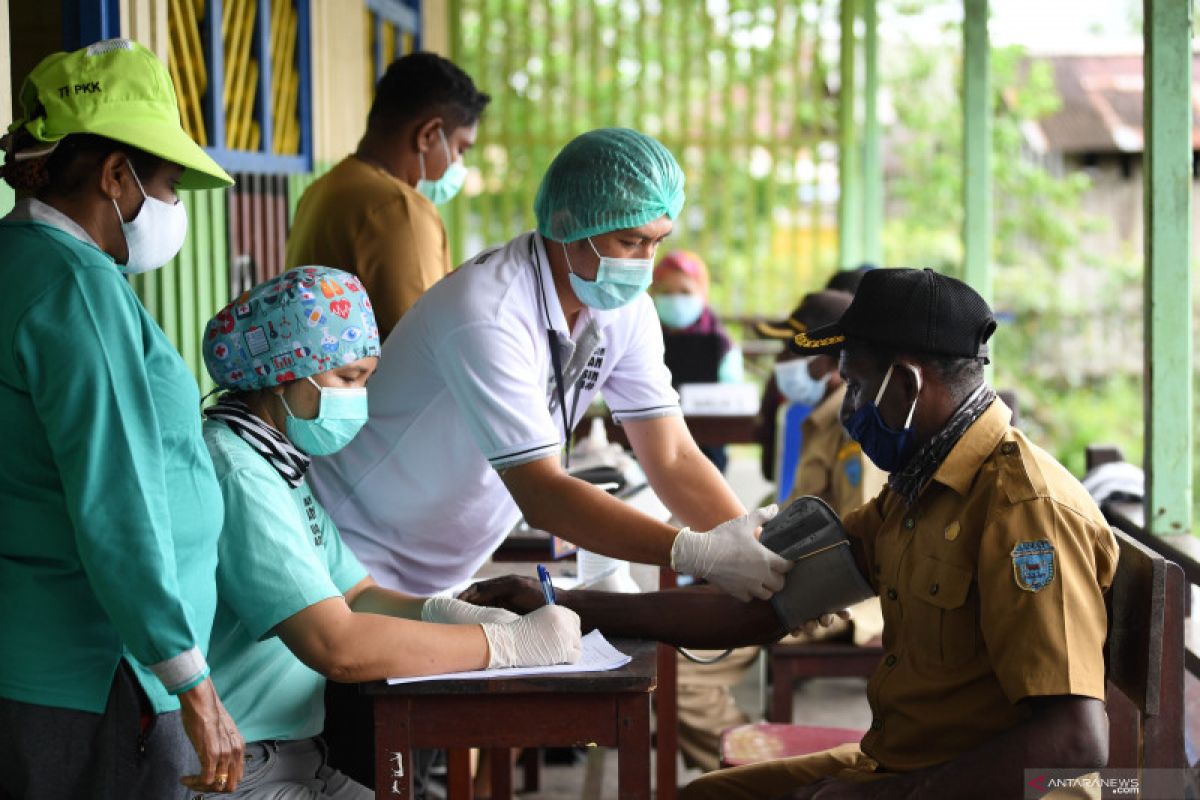
One form of flexibility that has had a significant impact is the implementation of CKG outside of conventional health facilities. Testing can be done through outreach services, village health posts, schools, places of worship, and even industrial areas. This approach emphasizes that the government is present to bring services closer to the community, rather than waiting for people to come. For informal workers, fishermen, farmers, and daily laborers, this model is particularly helpful because they don’t have to leave their jobs or lose income to get a health check.
Furthermore, flexibility is also reflected in the timing of service. Not everyone has the flexibility to visit the community health center during business hours. By opening services on weekends or during off-peak hours, CKG is more responsive to community needs. This demonstrates that good health policies are not just about budget and facilities, but also about empathy and understanding of community lifestyles.
From an equity perspective, the flexibility of the CKG program plays a crucial role in reducing disparities in health services between regions. Disadvantaged, frontier, and outermost (3T) regions have traditionally faced limited medical personnel and infrastructure. With a flexible program design, local governments can adapt CKG implementation to local conditions, including utilizing local health workers, integrated health post (Posyandu) cadres, and community support. This synergy strengthens the primary health care system while empowering communities.
The flexibility of the CKG also aligns with efforts to transform the health system, emphasizing prevention and promotion. Free, easily accessible health check-ups encourage people to seek treatment without waiting for serious illnesses. Early detection of non-communicable diseases such as hypertension, diabetes, and high cholesterol can be achieved, reducing long-term treatment costs and improving people’s quality of life. In the long run, this has a positive impact on national productivity.
Furthermore, the flexibility of screening types tailored to age groups and health risks makes CKG more targeted. Children, adolescents, adults, and the elderly have different health needs. With an adaptive approach, CKG is not ceremonial but truly addresses the real needs of the community. This strengthens public trust in government health programs.
Meanwhile, North Maluku Governor Sherly Tjoanda Laos stated that her administration officially launched the CKG program for high school (SMA), vocational high school (SMK), and special needs (SLB) education units at the North Maluku provincial level in 2026. This program is a strategic step by the North Maluku provincial government in implementing President Prabowo’s priority program to ensure national health standards are met from school age. With a total population of 70,000 students, she is optimistic that this program can be completed within two months through intensive cross-sector coordination.
From a social justice perspective, the flexibility of the CKG reflects the state’s commitment to protecting all citizens without discrimination. Easily accessible health services for vulnerable groups, such as people with disabilities, the elderly, and low-income communities, demonstrates the principle that health is a fundamental right. Flexibility ensures that this right is not hampered by complicated procedures or long distances.
Ultimately, the flexibility of the Free Health Check program is a crucial foundation for building a strong, equitable, and people-centered health system. This program is not just about free checkups, but about shifting the paradigm of public service towards a more responsive and inclusive one. By maintaining flexibility as the core of the policy, the Free Health Check program has the potential to become a significant milestone in realizing a healthier, fairer, and more competitive Indonesia. Equitable health services will no longer be a slogan, but a reality directly experienced by all citizens.
)* Public policy observer
