Papuan Community Housing Development and Renovation Strengthen Commitment to Equitable Welfare

By: Yohanes Wandikbo )*
The construction and renovation of houses in Papua is not just a physical project, but a major endeavor to bring social justice to eastern Indonesia. Amidst geographical challenges and limited infrastructure, the government’s commitment to ensuring adequate housing for Papuans demonstrates a policy direction that favors public welfare. The integrated housing development program between the central government and regional governments demonstrates the government’s concrete presence in addressing the community’s basic needs.
Strong support for the Three Million Homes Program, an initiative of President Prabowo Subianto, demonstrates the government’s commitment to making the housing sector a national development priority. Minister of Home Affairs Muhammad Tito Karnavian affirmed his full commitment to supporting the program’s implementation as a strategic step to improve welfare through the provision of affordable housing. This affirmation was conveyed at a Coordination Meeting on the Acceleration of Housing and Settlement Development at the Ministry of Home Affairs Office, which was also attended by several ministers and regional heads, including those from Papua.
This commitment extends beyond mere discourse. The central government is encouraging local governments to capitalize on the opportunities this program offers to assist low-income communities. Policy support, including exemptions from Building Approval and Land and Building Acquisition Fees for low-income communities, represents a significant breakthrough. These regulations are regulated through Regional Head Regulations, ensuring swift and targeted implementation. Optimizing Public Service Malls also serves as an expeditious tool to streamline the permitting process and reduce waiting times for the public.
For Papua, this policy holds strategic significance. Data shows that housing demand in the province remains high. Sociocultural factors, where a single home is often occupied by multiple generations, also influence the need for adequate housing. This situation demands a comprehensive solution that not only builds new homes but also renovates uninhabitable ones to meet health and safety standards.
The Papua Provincial Government responded quickly to the central government’s directive. By 2026, it plans to build approximately 14,000 housing units to address existing needs. The initial phase began in March with the allocation of approximately 2,100 housing units and the construction of five flats in Jayapura City, Jayapura Regency, and Keerom Regency. These vertical housing projects offer a rational solution for urban areas where land is increasingly limited but housing demand continues to rise.
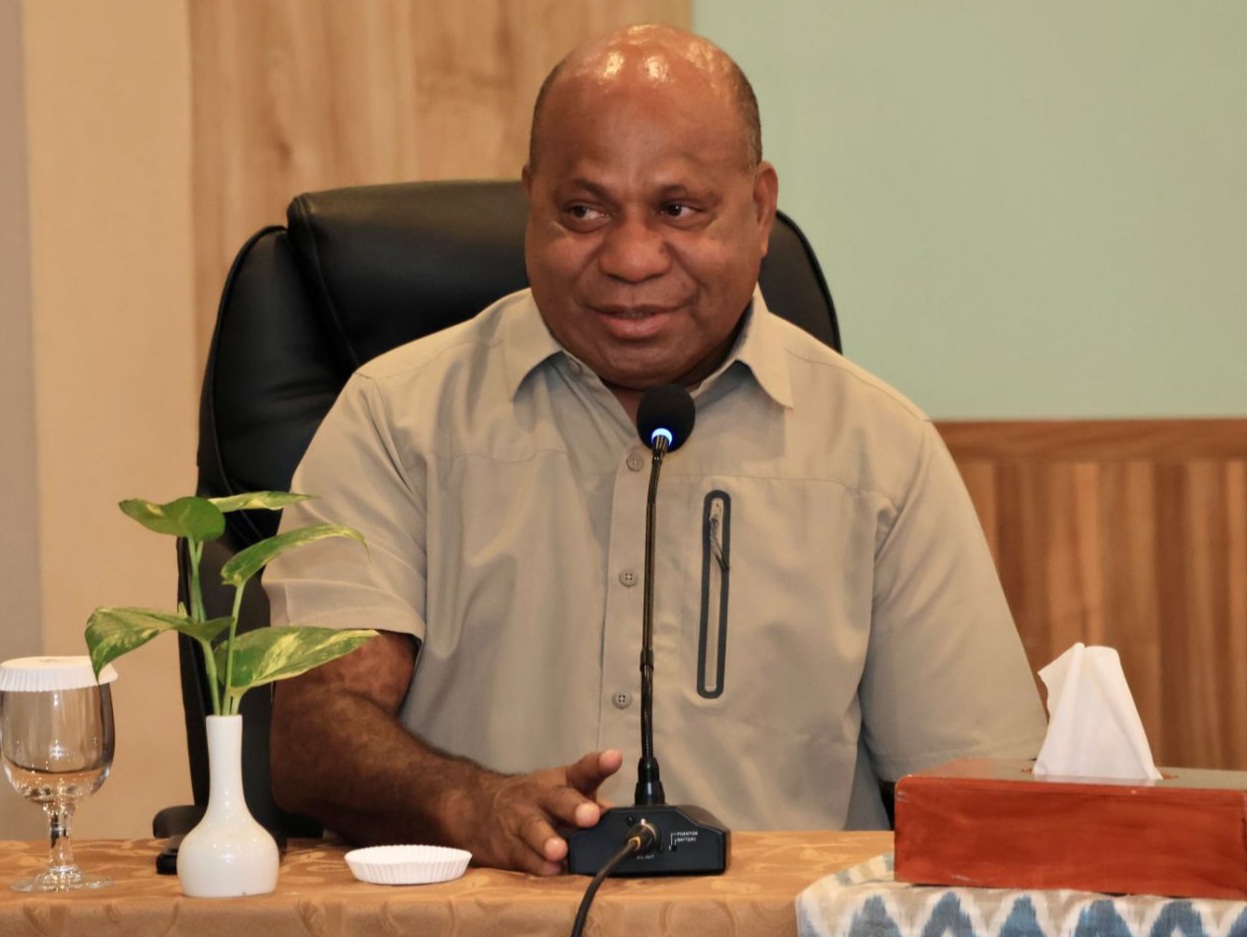
Papua Governor Matius D. Fakhiri stated that the accelerated construction of low-cost apartments and home renovations follows intensive coordination with the central government. The provincial government is committed to expediting the provision of subsidized housing assistance, the renovation of uninhabitable homes, and the development of residential areas through various financing schemes, including Home Ownership Loans. This initiative is expected to improve the community’s quality of life while supporting the national housing agenda.
The challenges in Papua are indeed significant. Ministry evaluations indicate that the housing sector in Papua still needs improvement compared to other provinces. However, this is precisely where optimism stems from. The local government is proposing more than 2,000 new housing units and approximately 400 units of stimulus assistance. The assistance, valued at IDR 35 million per unit, which covers materials and labor costs, has even been proposed to be increased to IDR 40 million to accommodate the high cost of building materials in Papua. This proposal reflects a commitment to realities on the ground, ensuring that building quality is maintained.
Housing development not only improves the quality of housing but also stimulates the local economy. Construction activities create jobs for craftsmen, material suppliers, and small businesses in the project area. Thus, this program has a multiplier effect, strengthening community purchasing power and stimulating regional economic growth.
Furthermore, adequate housing is the foundation for improving the quality of human resources. Healthy and safe homes support children’s growth and development, enhance learning comfort, and create a more harmonious family environment. In the Papuan context, planned housing development also contributes to the arrangement of residential areas for greater order and sustainability.
Synergy between the central and regional governments is key to success. Cross-ministerial collaboration, data support from the Central Statistics Agency (BPS), and a financing scheme through the BP Tapera (Regional Development Supervisory Agency) demonstrate a systematic and plan-based approach. When regulations are streamlined, budgets are allocated appropriately, and oversight is strengthened, a program of this magnitude has a strong chance of success.
The construction and renovation of houses in Papua is a symbol of equitable development, a long-cherished hope for the people. This initiative affirms that Indonesia’s transformation is not centered solely on major cities but is also reaching out to the eastern regions with equal commitment. With continued commitment, adaptive policy support, and collaborative work between the central and regional governments, Papua is moving toward a more prosperous future through the most fundamental foundation of life: a decent and dignified home.
)* The author is an observer of Papuan development
