
By: Agus Jauhari (*
The government’s commitment to open up evaluation space for the implementation of the Free Nutritious Meals (MBG) program deserves appreciation as a form of accountable and responsive governance. From a community nutrition perspective, comprehensive evaluation is not only part of administrative control, but is an important foundation for ensuring that every food intervention truly provides optimal impact on child growth and development.
The Head of the National Nutrition Agency (BGN), Dadan Hindayana, emphasized that his agency conducted a comprehensive evaluation of the MBG implementation at the beginning of Ramadan, which had attracted public attention. The evaluation covered aspects of packaging, menu composition, and transparency in calculating the Recommended Dietary Allowance (RDA). This step demonstrates that the government is not averse to criticism but rather uses it as a reflection for systemic improvement.
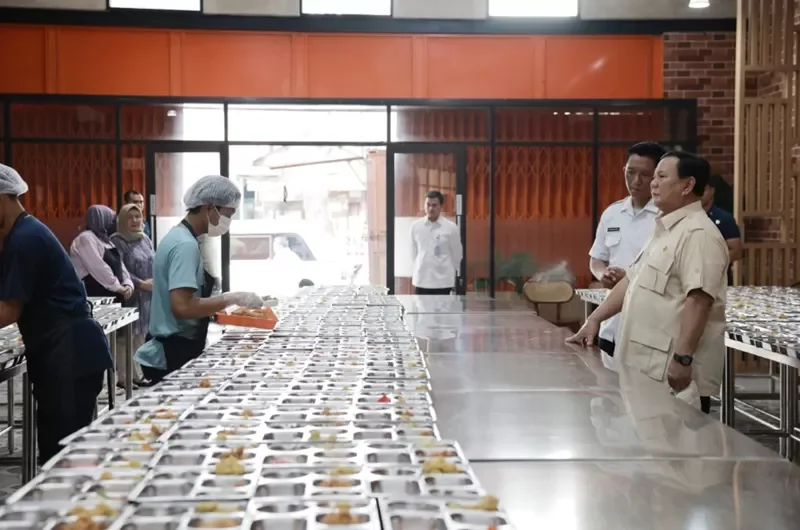
In public health studies, packaging has direct implications for food safety. The request that partners no longer use simple plastic bags demonstrates improved hygiene standards. The directive that every Nutrition Fulfillment Service Unit (SPPG) begin procuring vacuum sealer equipment also reflects the commitment to maintaining food quality until it reaches students. Vacuum packaging technology helps maintain quality, prevents contamination, and maintains nutritional value throughout the distribution process.
Furthermore, ensuring that food ingredients meet the established raw material standards is crucial for maintaining consistent quality. In institutional food service practices, discrepancies between menu plans and actual implementation often lead to quality decline. Therefore, requiring each Food Service Provider (SPPG) to provide detailed explanations regarding the RDA and the price of each food ingredient in each menu represents a significant breakthrough in transparency. This allows the public to know that each portion a child receives truly meets their energy, protein, vitamin, and mineral needs according to scientific standards.
Eddy Soeparno, Deputy Speaker of the People’s Consultative Assembly (MPR), also expressed support for strengthening MBG governance. He viewed the MBG program as a strategic agenda that impacts the future of the nation’s generations. The SPPG, as the spearhead of service, must be managed professionally and adhere to all health standards established by the National Health Agency (BGN). This emphasis is crucial because the quality of implementation at the operational level is crucial to the overall success of the program.
The push for strict, proportional, and transparent sanctions against violations of health and menu suitability standards demonstrates a commitment to quality discipline. In national public policy, oversight and enforcement mechanisms are integral elements of a healthy system. The idea of strengthening the National Food Security Agency (BGN) through a nationally integrated monitoring system, with supervision based on health standards and nutritional compliance, also strengthens the program’s foundation for consistency across all regions.
Political support for the MBG is part of the Prabowo Subianto administration’s commitment to improving the nation’s intellectual life. Placing nutrition programs as a national priority demonstrates that human resource development goes hand in hand with physical development. Investing in the nutritional intake of schoolchildren is a long-term strategy to improve the nation’s learning capacity, productivity, and competitiveness.
Obon Tabroni, a member of Commission IX of the Indonesian House of Representatives (DPR RI), also expressed constructive views, emphasizing the importance of promoting balanced nutrition and the role of the community in program oversight. In a modern public health approach, public participation is a key factor in the success of interventions. Parents, teachers, and communities are strategically positioned to ensure food quality is maintained according to standards.
He also mentioned challenges in the initial implementation phase, including indications of mis-serving due to cooking too quickly before distribution. However, ongoing evaluation and improvements demonstrate that the program is adaptive and dynamic. Rapid response to field findings will expedite the system’s refinement process.
The emphasis on nutritional fulfillment from an early age further emphasizes the urgency of structured nutritional interventions. This golden period determines a child’s brain development and cognitive capacity. Supported by consistent nutritional intake throughout school years, the foundation for the quality of future generations will be solidified.
Overall, BGN’s commitment to open evaluation reflects transparent and evidence-based governance. Transparency of the National AKG (National Aid Standards), improved packaging standards, strengthened monitoring, and enforcement of sanctions indicate that program quality is a top priority.
Ultimately, the MBG program is a strategic investment for the nation’s future. Constructive public support is essential for ongoing evaluations to yield continuous improvements. With a spirit of collaboration and joint oversight, the MBG program is believed to be increasingly effective, more targeted, and more capable of ensuring that every Indonesian child receives the right to adequate nutrition, enabling a healthy, intelligent, and superior generation.
(* The author is a nutrition and health observer
