
By: Gavin Asadit )*
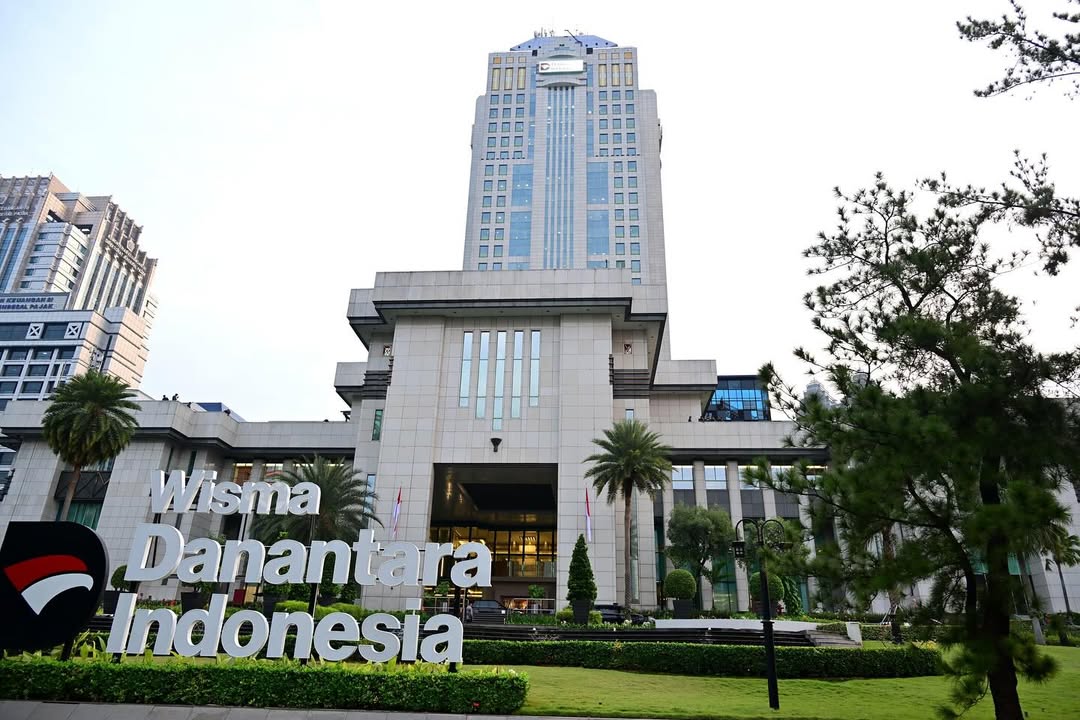
Indonesia’s entry into the global semiconductor industry entered a new phase in 2026 through a strategic partnership between Danantara Indonesia and Arm Limited. The collaboration, signed in London, is seen as a starting point for strengthening Indonesia’s position in the upstream sector of the industry, specifically chip design and intellectual property (IP) ownership. Amidst increasingly fierce technological competition and the geopolitical dynamics of the global supply chain, mastery of upstream aspects is considered far more crucial than simply serving as an assembly base.
The global semiconductor industry has historically been dominated by a handful of countries and companies that control designs, architecture licensing, and intellectual property rights. Arm is widely recognized as a dominant player in power-efficient architecture-based processor design, used in billions of devices, from smartphones to data centers. By partnering with Arm, Indonesia aims not only for technology transfer but also for building a long-term foundation for independent chip design for strategic national needs.
The primary focus of this collaboration is the development of a national chip design ecosystem spanning six priority categories: automotive, Internet of Things, artificial intelligence, data centers, smart devices, and autonomous systems. This approach reflects the recognition that the future of the digital economy is crucially determined by the ability to design core hardware components. Without mastery of design and IP, the greatest added value will remain overseas.
Coordinating Minister for Economic Affairs Airlangga Hartarto emphasized that this collaboration is aimed at accelerating mastery of core semiconductor technology. According to Hartarto, design is the most upstream and strategic part of the chip industry value chain, making strengthening national capacity in this sector a priority. He stated that the partnership with Arm opens access to global technology standards that have long been a benchmark for the global industry.
Airlangga also added that this collaboration is a direct follow-up to President Prabowo’s directive to strengthen national technology independence, complementing the government’s major agenda of building national food and energy security.
Beyond the technological aspect, this collaboration prioritizes human resource development. The training program aims to train approximately 15,000 Indonesian engineers to gain certification and technical experience in Arm architecture-based chip design. The training program is designed in two tracks: hands-on learning at Arm technology centers abroad and structured domestic training supported by international modules and mentors. This model is expected to accelerate knowledge transfer while building a strong domestic chip design community.
Danantara Indonesia Chief Executive Officer Rosan Perkasa Roeslani stated that this partnership is not just about training, but also about building long-term technological sovereignty. Rosan Perkasa Roeslani explained that mastery of design and IP will be the foundation for the growth of downstream industries, including manufacturing, system integration, and the development of semiconductor-based products domestically. He emphasized that the ripple effect of strengthening chip design can drive growth in the electric automotive sector, smart devices, and even high-tech defense.
A strategy of controlling the upstream sector is also considered more realistic than immediately building large-scale fabrication facilities, which require hundreds of billions of US dollars in investment. The foundry industry is indeed important, but without strong design capabilities, a country will remain dependent on foreign licenses and technology. By building design competency first, Indonesia can create its own IP portfolio, which will have significant bargaining power in global collaborations.
Several observers see this move as a strong signal that Indonesia wants to move up the global technology supply chain. Major companies such as TSMC, Nvidia, and SK Hynix are said to be potentially eyeing Indonesia if its design ecosystem and tech talent pool develop rapidly. The presence of a large pool of trained talent is a key factor for global investors in determining locations for research and development expansion.
This strategic move through Danantara demonstrates that the country’s investment approach is no longer limited to natural resources or physical infrastructure, but also encompasses core technologies that determine the future of the economy. This transformation reflects a shift in development orientation toward an innovation- and knowledge-based economy. In an increasingly digitalized global context, the ability to design its own chips is not only an economic issue but also a matter of competitiveness and national security.
Going forward, the success of the strategy to dominate the upstream semiconductor industry will depend heavily on consistent implementation, sustainable funding, and cross-sector collaboration. If a national design and IP ecosystem is truly established and developed, Indonesia has the potential to become a significant new player in the global technology industry. However, without a long-term commitment, this momentum could stall.
The collaboration between Danantara and Arm symbolizes that Indonesia is no longer merely a technology market, but is beginning to build the foundations for creating the technology itself. Amid increasingly complex global competition, dominating the upstream semiconductor industry is not only ambitious but also strategic for the future of the national economy, moving towards the vision of a Golden Indonesia 2045.
)* The author is an observer of social and community issues
