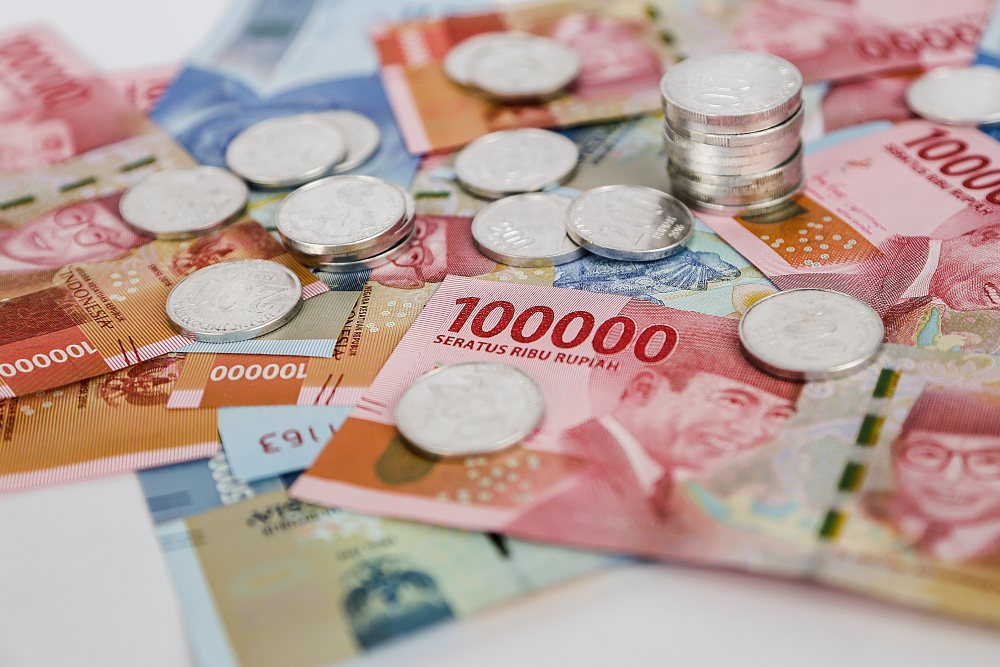

JAKARTA — The rapid economic growth at the end of March 2026 was a blessing for millions of MSMEs across various regions. Amidst the rapid flow of money, the government is taking action to prepare a roadmap to ensure this momentum isn’t merely seasonal.
The Deputy Chairman of the Indonesian Chamber of Commerce and Industry for Regional Autonomy, Sarman Simanjorang, projects that money turnover during this year’s homecoming period could reach Rp161.88 trillion, driven by high public mobility, reaching 143.9 million homecoming travelers, or around 50.6 percent of Indonesia’s total population.
“If each family brings in Rp4,125,000, a 10 percent increase from 2025, then the potential money turnover will reach Rp148.39 trillion, an increase of around 8 percent from the previous year,” said Sarman.
These figures aren’t just statistics. Behind them are food stalls running out of stock, souvenir stalls swarming with customers, and local artisans working overtime to fulfill orders. The tourism sector and regional MSMEs are predicted to see a significant surge in revenue, particularly from the trade in food, beverages, souvenirs, and regional specialty products.
Overall household consumption is expected to grow by 10–15 percent, which will in turn drive national economic growth in the first quarter of 2026.
To maintain strong purchasing power, Sarman emphasized the importance of the government’s role in ensuring the availability of basic necessities.
“Most importantly, the government can maintain public psychological well-being by guaranteeing a constant supply of fuel and gas, so people will feel confident spending their money in their respective regions,” he stressed.
However, the government recognizes that a temporary surge is not enough. A system is needed to ensure truly sustainable growth for MSMEs. The government emphasized the importance of cross-sector synergy to strengthen MSMEs while simultaneously promoting women’s economic empowerment.
One crucial issue that emerged was the lack of a clear benchmark for “promoting” MSMEs. Tina Talisa, Special Staff to the Vice President, called for a concrete definition.
“Does moving up a class mean an increase in the number of employees, assets, turnover, or increased financial literacy among business owners?” Tina asked, urging the government to immediately formulate measurable criteria.
The government also highlighted the proportion of female entrepreneurs in Indonesia, which remains at around 37 percent, and emphasized the importance of business legality through the ownership of a Business Identification Number (NIB) for micro-entrepreneurs.
The massive turnover of money is now coupled with increasingly targeted policies. For millions of MSMEs, this is the perfect time to not just survive—but truly advance.
