60% of Flood-Affected Areas in Sumatra Enter Recovery Phase, Vital Infrastructure Becomes Main Focus

By: David Septian)
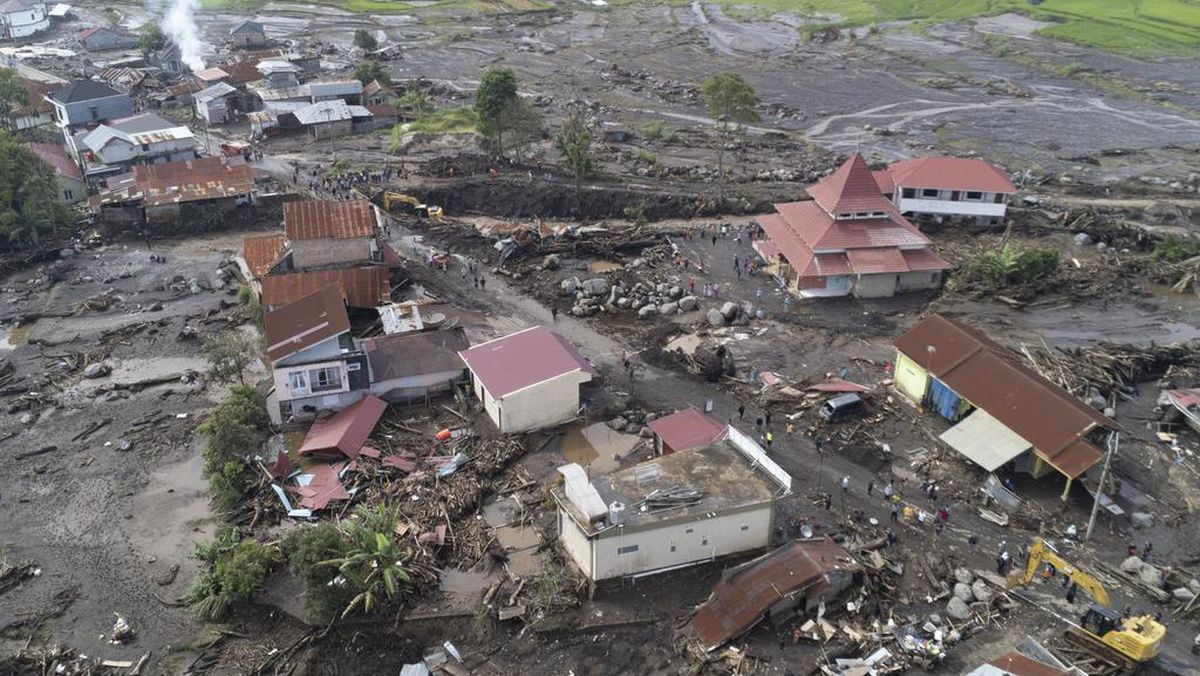
Floods that have struck several regions in Sumatra in recent months are beginning to show positive developments. Around 60 percent of the affected areas have now entered the recovery phase after previously being under emergency status. The receding floodwaters in various locations mark an initial sign that community activities can gradually resume. However, this recovery phase does not mean that challenges are over, as the impacts of the floods are still strongly felt in the social, economic, and basic infrastructure aspects of local communities.
Head of the Data, Information, and Disaster Communication Center of the National Disaster Management Agency (BNPB), Abdul Muhari, stated that a total of 31 regencies/cities are ready to transition from emergency response to the initial recovery phase. Of these, 23 regions have already issued official decrees, while the remaining eight are still in the process of finalizing decrees from their respective local governments.
In addition, updates on disaster casualties were provided. As of January 2, 2026, the total number of fatalities across the three affected provinces stands at 1,157 people. This figure remains unchanged from the previous update on January 31, 2025. BNPB stated that joint search and rescue (SAR) teams will continue search operations, focusing on locations identified as potential sites for victims’ remains.
The recovery phase is marked by the start of environmental clean-up, repairs to residents’ homes, and the normalization of public facilities. Central and regional governments are working together to ensure that this process runs in a coordinated manner. Security personnel, volunteers, and communities are joining forces to clear mud, repair road access, and reactivate public services that were previously disrupted. The spirit of mutual cooperation has once again emerged as a key strength in responding to the widespread impacts of the disaster.
The main focus during the current recovery stage is the repair of vital infrastructure. Inter-regional connecting roads, bridges, electricity networks, and clean water facilities are prioritized because they play a direct role in driving daily life. Without adequate road access, logistics distribution and economic activities are difficult to resume. Likewise, electricity and clean water are basic necessities, especially for residents who were previously forced to evacuate due to flooding.
Damage to infrastructure caused by the floods varies, ranging from roads eroded by strong currents to bridges experiencing structural subsidence. In several areas, healthcare facilities and schools were also affected, disrupting public services. Therefore, accelerating the repair of vital infrastructure is considered crucial so that communities can return to normal activities. Restored infrastructure not only facilitates mobility but also helps restore a sense of security and social stability.
Meanwhile, Governor of North Sumatra, Bobby Muhammad Bobby Afif Nasution, explained that in addition to physical infrastructure, recovery efforts also address the economic aspects of society. Many residents temporarily lost their livelihoods due to the floods, particularly farmers, fishermen, and small business operators. With improving road access and public facilities, economic activities are expected to gradually resume. Traditional markets have begun to reopen, food distribution is running more smoothly, and small businesses are slowly recovering, although they still require continued support.
The government’s role during the recovery phase is not limited to physical reconstruction, but also includes social assistance. Stimulus aid for home repairs, logistical support, and healthcare services continue to be distributed to help communities navigate this transition period more effectively. Local governments are also encouraged to conduct accurate damage assessments so that recovery policies are well-targeted and sustainable, rather than merely short-term solutions.
On the other hand, community participation is a key factor in the success of recovery efforts. Awareness of environmental preservation, drainage maintenance, and proper waste disposal is being emphasized once again. The floods serve as a reminder that environmental management and spatial planning cannot be ignored. Ideally, recovery efforts should be accompanied by preventive measures to reduce the risk of similar flooding in the future.
The recovery phase also serves as a moment of evaluation for all stakeholders. Future development planning must take disaster mitigation aspects into account, especially in flood-prone areas. Rebuilt infrastructure is expected to be more resilient and adaptive to climate change. In this way, recovery does not merely restore previous conditions, but also enhances regional resilience against disasters.
With 60 percent of flood-affected areas in Sumatra now entering the recovery phase, hope is beginning to grow among communities. Although the process remains long and requires collective hard work, focusing on the restoration of vital infrastructure is a strategic step to accelerate the revival of affected regions. Synergy between the government, communities, and various stakeholders is expected to transform this disaster into an important lesson toward safer and more sustainable development.
*) National Political Analyst – Indonesian Democracy Study Forum
