Trauma Healing: A Strategic State Effort to Restore the Post-Disaster Generation in Sumatra

By: Nancy Dora
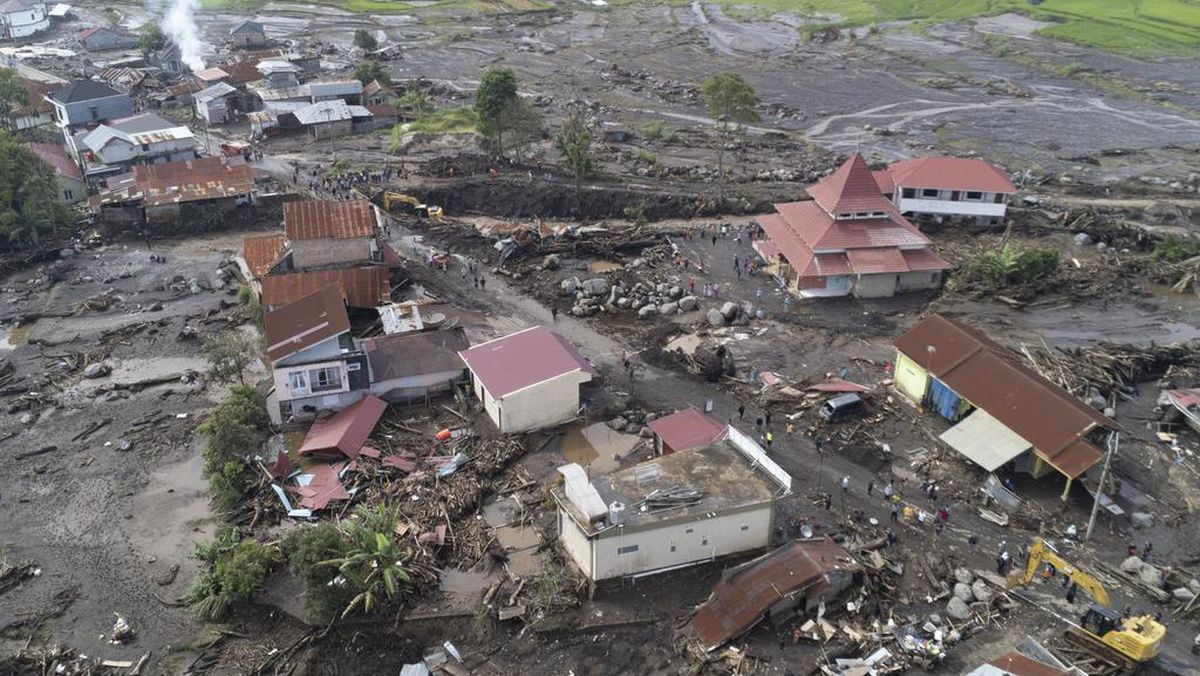
The ecological disasters that have struck several regions in Sumatra and Aceh once again affirm that the impacts of disasters do not end with physical damage and material losses. Behind collapsed homes, severed roads, and damaged public facilities lie far deeper psychological wounds—especially among children, who are the most vulnerable group. In this context, trauma healing is not merely a complementary post-disaster program, but a strategic state effort to restore and safeguard the future of affected generations.
Data collected show that children account for around one-third of the total post-disaster displaced population in Sumatra and Aceh. This condition places them in a layered crisis, ranging from the loss of a sense of security and disrupted access to education, to psychological pressure resulting from traumatic experiences. Vice Chair of the Indonesian Child Protection Commission (KPAI), Jasra Putra, emphasized that children’s mental and social recovery must be prioritized in disaster response, as untreated trauma has the potential to hinder cognitive and emotional development in the long term.
The trauma healing approach promoted by KPAI positions children not merely as victims, but as active subjects in the recovery process. Through the concept of eco-healing, children are encouraged to reconnect positively with their environment. This approach combines psychological recovery with ecological education, ensuring that children do not grow up with fear of nature, but rather with awareness of the importance of maintaining environmental balance. In practice, disaster debris is used as a medium for creative expression—such as artwork or simple learning facilities—helping children reconstruct traumatic experiences in a constructive way.
Furthermore, eco-healing is also aimed at building long-term resilience by integrating local wisdom. The involvement of traditional leaders such as Ninik Mamak in West Sumatra and Tuha Peuet in Aceh strengthens community-based recovery. This pattern underscores that post-disaster recovery cannot be separated from local social and cultural values, which have long proven to be key pillars of community resilience in times of crisis.
Beyond trauma recovery, creating a sense of safety is a crucial pillar of child protection after disasters. Children’s fear of heavy rain, natural sounds, or rising water levels is often disproportionate to the level of physical damage, but rooted in unresolved traumatic experiences. Therefore, disaster mitigation education needs to be consistently implemented in emergency schools, temporary shelters, and evacuation areas. This step is particularly critical given predictions that extreme weather events may continue to recur in parts of Sumatra.
Child protection aspects must also not be overlooked during prolonged displacement. KPAI has highlighted the increased risk of violence against children, including sexual violence, due to weak supervision and limited protection systems in evacuation sites. In this regard, reactivating integrated referral systems through Integrated Service Units for the Protection of Women and Children (UPTD PPA), community health centers (puskesmas), and posyandu has become an urgent necessity. Synergy with security forces and civil society organizations experienced in child protection is also essential to ensure that evacuation areas remain safe spaces.
State efforts in post-disaster trauma recovery have also been strengthened by the involvement of higher education institutions. Universitas Gadjah Mada (UGM), through various units and volunteer networks, has deployed trauma healing teams to affected areas in Aceh, North Sumatra, and West Sumatra. UGM University Secretary Andi Sandi stated that the involvement of universities is part of their commitment to community service, with a focus on providing psychosocial assistance to disaster victims. The deployed teams consist of medical personnel, psychologists, and trained volunteers working in coordination with local governments in emergency response and recovery processes.
UGM has also paid special attention to students whose families were affected by the disaster. Through cross-unit coordination, comprehensive assessments were conducted to ensure that students’ actual needs were met—whether in the form of psychological support, logistics, or temporary financial assistance. Coordinator of UGM’s Disaster Response Unit, Ardian Andi Pradana, emphasized that students’ psychological stability is a key prerequisite for enabling them to continue their academic activities amid family crises.
The synergy between the state, child protection institutions, universities, and civil society demonstrates that trauma healing has become an integral part of post-disaster recovery strategies. However, the sustainability of these programs remains a major challenge. KPAI has urged that psychosocial services should not be temporary, but instead be consistently available in every temporary shelter as an indicator of successful post-disaster recovery. Law enforcement against ecological crimes and violence against children is also viewed as a crucial prerequisite for building public trust and a sense of security.
Ultimately, trauma healing is not only about healing the emotional wounds of disaster victims, but also about ensuring the sustainability of human development. The state must not only rebuild damaged infrastructure, but also ensure that post-disaster generations grow up mentally healthy, resilient, and empowered. With a holistic, collaborative, and long-term-oriented approach, trauma healing becomes a strategic foundation for safeguarding the future of children in Sumatra and Aceh, while also strengthening national resilience in facing disasters in the years to come.
The author is a Social Observer.
