
By: Bara Winatha)*
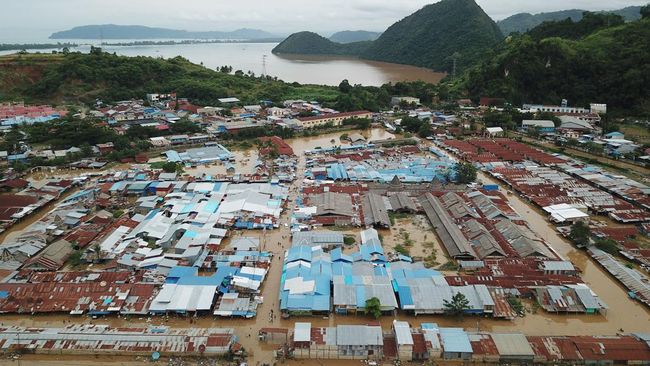
The natural disasters that have struck several regions in Sumatra and Aceh have become a momentum for strengthening national concern for the protection and recovery of children. In every emergency situation, children receive special attention as the nation’s future generation, who must continue to grow with spirit, a sense of security, and optimism. Mental health recovery efforts through trauma healing programs have emerged as a strategic step to help children return to daily activities, learning, and positive social interaction. This approach ensures that children continue to develop psychologically with appropriate and sustainable support. This commitment has become increasingly evident through strong synergy among state institutions, local governments, and humanitarian organizations that actively provide quality psychosocial services in disaster-affected areas of Sumatra, reflecting the state’s presence in safeguarding the future of Indonesian children.
Vice Chair of the Indonesian Child Protection Commission (KPAI), Jasra Putra, stated that handling children affected by disasters must place trauma recovery as a top priority. According to him, children account for around 36 percent of the total post-disaster displaced population, meaning their needs must not be marginalized. He noted that while physical injuries may be visible and quickly treated, psychological wounds require a much longer time and a sustained approach. If trauma is not adequately addressed, it can hinder children’s cognitive, emotional, and social development in the future.
Jasra Putra explained that KPAI encourages the implementation of three main pillars in child trauma recovery in disaster-affected areas. The first pillar is ecological resilience-based trauma healing, or eco-healing. This approach combines psychological recovery activities with climate change education and environmental awareness. Children are not only invited to play to temporarily divert trauma, but are also involved in activities that build an understanding that they have a role in protecting the environment.
Through the concept of circular recovery, children are encouraged to use disaster debris such as wood, stones, and sand to create artwork or simple facilities for schools and play areas. This approach aims to build a recovery narrative that places children as active subjects and environmental heroes, rather than merely victims. In this way, children are expected not to grow up with fear or resentment toward nature, but with an awareness that protecting the ecosystem is part of safeguarding their own future.
The second pillar is the creation of a sense of security. Children’s fear of rain, overflowing rivers, or certain sounds is often disproportionate to the level of physical damage to buildings. Therefore, disaster mitigation education needs to be introduced in schools, emergency tents, and temporary schools so that children feel protected. Simple and repetitive disaster education can help children understand situations rationally and reduce excessive anxiety.
The third pillar is child protection in emergency situations through the reactivation of integrated referral systems. Prolonged displacement increases the risk of violence against children, including sexual violence. Therefore, local governments are encouraged to reactivate the roles of Integrated Service Units for the Protection of Women and Children (UPTD PPA), community health centers (puskesmas), and posyandu as the frontline referral services. Strengthening community-based security is also necessary by involving the police, the Indonesian National Armed Forces (TNI), and community organizations experienced in child protection.
In addition to social protection, health aspects are also an inseparable part of post-disaster recovery. Minister of Health Budi Gunadi Sadikin stated that health volunteers also provide psychological recovery services, or trauma healing, for disaster-affected residents, especially children. The Ministry of Health routinely deploys professional mental health workers, including clinical psychiatrists, to help comfort children and accompany them through enjoyable and calming activities. To date, around 6,100 health workers have been deployed to affected areas, with a rotation system every two weeks to ensure services continue sustainably.
Trauma healing efforts are also carried out by various humanitarian organizations and grassroots social institutions. Coordinator of AQL Laznas Peduli Aceh Tamiang Post, Novita Mariana, said that child trauma healing activities have become a core part of post-flood recovery in Aceh Tamiang Regency. Together with community and private organizations, her team focuses on child psychosocial services and free medical treatment for affected residents.
Novita Mariana explained that trauma healing is conducted through activities such as drawing, singing, and the Indonesia Writes the Quran program. These activities are designed to support children’s mental recovery while fostering enthusiasm for religious learning ahead of Ramadan. The activities are centered in mosques located in flood-affected areas, involving around 100 children, most of whom are still attending school activities at the same locations.
The synergy between the state and society demonstrates that trauma healing has become a collective awareness in post-disaster recovery in Sumatra. The approaches taken are not uniform, but are tailored to local contexts, cultures, and community needs. The involvement of traditional leaders, religious figures, and local communities strengthens program effectiveness, as people feel ownership of and trust in the recovery process.
By positioning trauma healing as a key pillar, post-disaster recovery in Sumatra is expected to result not only in rebuilt structures, but also in a generation of children who are mentally recovered and ready to move forward into the future. Children who receive adequate psychosocial support will have a greater opportunity to grow resilient, adaptive, and optimistic.
)The author is a social and community affairs observer.
