
By: Ricky Rinaldi
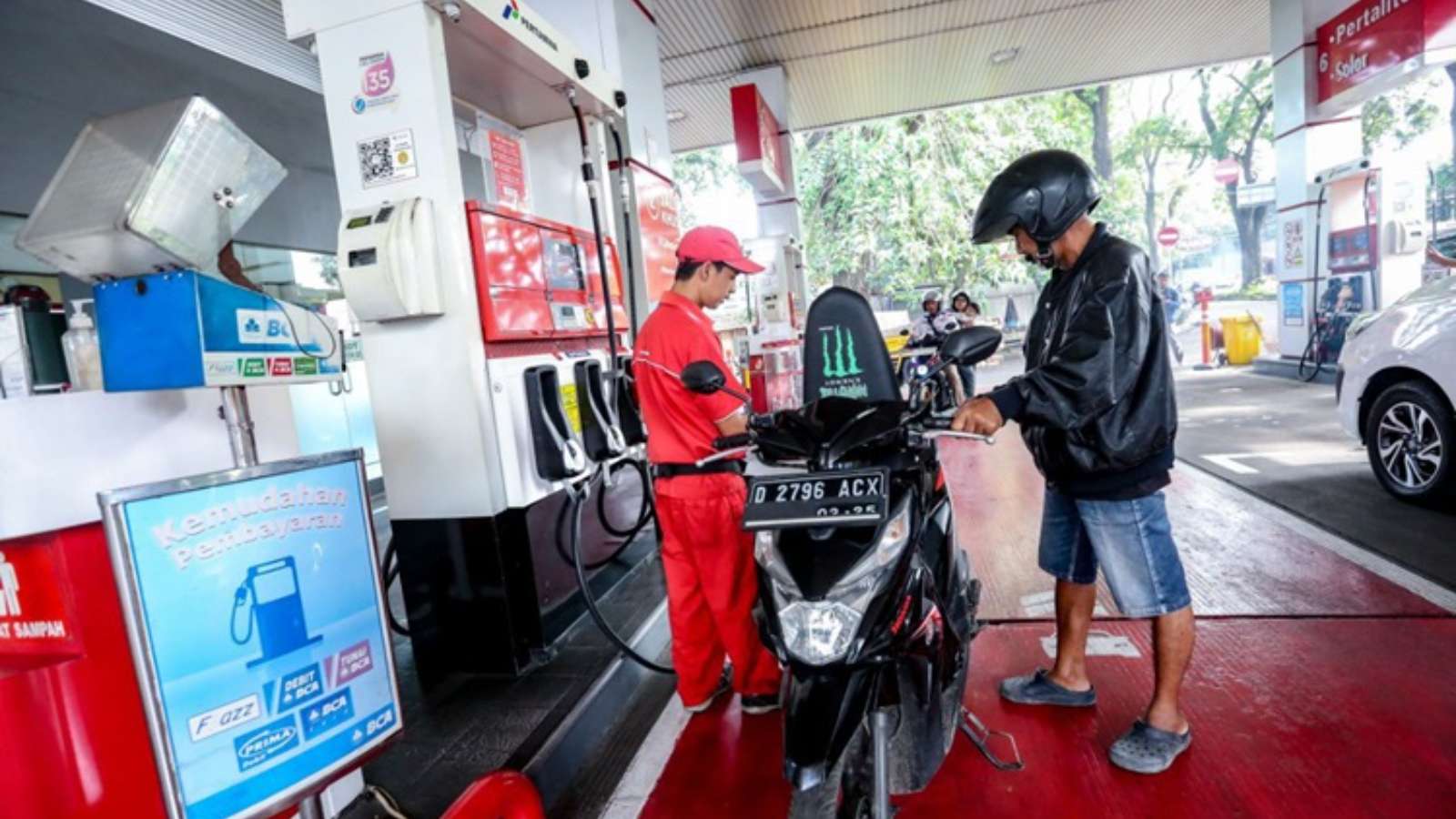
Recent global turbulence has posed a real test to national resilience. Global energy prices have surged, supply chains have been disrupted, and inflationary pressures have spread across nearly all countries. Amid this uncertainty, Indonesia has chosen a path that may not be popular but clearly sides with the people: maintaining fuel price (BBM) stability while strengthening national dialogue. These two measures are not merely technical policies, but layered safeguards that protect society from economic shocks as well as from provocations that could trigger chaos and division.
A recurring issue during energy crises is the fear of rising fuel prices, which inevitably affect all sectors. Transportation costs increase, logistics are disrupted, and food prices climb. The most vulnerable communities bear the brunt of these impacts. In this context, the government has made a bold decision. Minister of Energy and Mineral Resources (ESDM), Bahlil Lahadalia, stated that the government continues to seek a prudent fuel pricing formula amid rising global oil prices. Subsidized fuel prices are being maintained through increased energy subsidy allocations in the state budget. This reflects the government’s commitment to protecting lower-income groups who are most vulnerable to inflationary pressures.
Bahlil explained that the government has prepared several anticipatory measures, including optimizing domestic refineries, increasing strategic reserves, and diversifying energy sources. All of these efforts are aimed at ensuring that the public is not burdened by external shocks. While this policy places pressure on the state budget, President Prabowo Subianto has instructed that subsidies must continue to flow in order to safeguard purchasing power. Fuel prices must not become a trigger for social unrest. Therefore, every policy in the energy sector is guided by a simple question: can ordinary citizens still breathe a little easier?
However, fuel price stability alone is not sufficient without healthy political communication. This is where national dialogue becomes crucial. Recently, issues such as alleged fuel shortages, long queues, and accusations that the government is deliberately restricting supply have circulated as provocative narratives. These hoaxes are designed to create mass panic. If left unchecked, chaos could arise not from real crises, but from irresponsible information.
Coordinating Minister for Political and Security Affairs, Djamari Chaniago, emphasized that national dialogue serves as an effective pressure valve. According to him, amid global tensions, domestic political and security stability is non-negotiable. He explained that the government continues to engage in intensive communication with all elements of society, including religious leaders, academics, journalists, as well as representatives of laborers and farmers. Through these forums, the government transparently explains global oil price realities, subsidy burdens, and the rationale behind fuel policies.
Djamari also highlighted that President Prabowo has set a concrete example in fostering national dialogue. In early March 2026, the President invited former presidents, former vice presidents, former foreign ministers, and political party leaders to discuss global geopolitical dynamics and Indonesia’s preparedness. This initiative demonstrates that national dialogue is not merely rhetoric, but a real practice involving all elements of the nation. Through this approach, the public is not left in an information vacuum. They understand why certain unpopular policies are taken, and they see that the state remains present during difficult times.
Appointed in September 2025, Djamari faces the challenging task of maintaining national stability amid external pressures. He stressed that provocations leading to chaos do not always come from abroad, but often emerge domestically by exploiting sensitive issues such as fuel prices. Therefore, alongside pro-people policies, strengthening digital literacy and collective vigilance is essential. The public must be wise in filtering information, not easily provoked, and place greater trust in official data provided by the government.
The success of maintaining fuel stability is not only determined by central policies, but also by effective distribution management. The government has ensured that national fuel stocks remain secure and available. Transparency in quota distribution, strict supervision against hoarding or price manipulation, and the digitalization of subsidized fuel distribution are key factors. There is no need for public panic as long as the system functions properly and is closely monitored.
National dialogue and fuel price stability reflect the spirit of collective cooperation in facing crises. No single party can stand alone. The government, parliament, community leaders, media, and all elements of society must work together to maintain national calm. As the world faces uncertainty, collective solidarity becomes an invaluable social capital.
Ultimately, national dialogue and fuel stability are not merely technical strategies or political rhetoric. They represent hope for society to remain calm and productive despite global turbulence. Fuel stability ensures that the economic engine continues to run, while national dialogue safeguards unity. With strong foundations and genuine cooperation under the leadership of President Prabowo Subianto, supported by Energy Minister Bahlil Lahadalia and Coordinating Minister Djamari Chaniago, Indonesia will not only weather the global storm but emerge as a stronger and more sovereign nation.
*) Strategic Affairs Observer
