
By: Dina Humaira S.
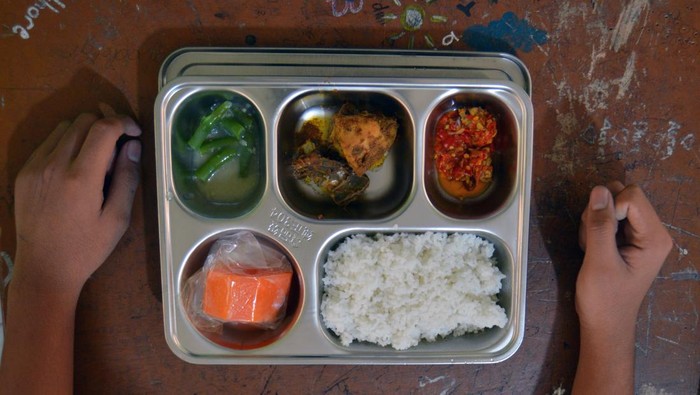
The Free Nutritious Meals Program (MBG) is strengthening the government’s efforts to realize quality education in Indonesia. This program is designed not only to meet students’ basic needs but also to ensure that the learning process takes place under optimal conditions.
The government places nutritional fulfillment as an essential part of its national education development strategy. This policy highlights that the quality of learning is determined not only by academic aspects but also by students’ physical condition.
The National Nutrition Agency (BGN) assesses that consistent nutritional intake plays a significant role in supporting children’s readiness to learn. Balanced nutrition is believed to enhance students’ energy levels and concentration during school activities.
Head of Legal and Public Relations Bureau of BGN, Khairul Hidayati, stated that the impact of MBG is evident not only in health but also in students’ learning activities. She explained that proper nutrition through this program helps maintain attendance while improving students’ concentration in the classroom.
The MBG program also contributes to more consistent student attendance. Better physical condition enables students to participate in learning without being hindered by health issues related to inadequate food intake.
Khairul Hidayati further emphasized that adequate nutrition is closely linked to students’ motivation and learning ability. She noted that MBG ensures students can undergo the educational process in optimal physical condition, leading to more effective learning outcomes.
The Ministry of Primary and Secondary Education has recorded positive impacts from the program’s implementation in reducing concentration disruptions caused by hunger. Evaluations of the “7 Habits of Great Indonesian Children” program show that MBG significantly improves students’ learning focus.
The evaluation results indicate that schools receiving MBG experienced a greater reduction in learning disruptions due to hunger compared to those that have not yet implemented the program. This finding reinforces that nutritional intervention has a direct impact on the quality of the learning process.
Data from Eastern Indonesia shows an even greater impact of the MBG program. The decline in hunger-related learning disruptions in these regions serves as a key indicator of the program’s success in reaching priority areas.
Through MBG, the government demonstrates a concrete effort to reduce educational disparities across regions. The program ensures that students in areas facing nutritional challenges still have equal opportunities to learn.
Minister of Primary and Secondary Education, Abdul Mu’ti, views MBG as part of a long-term human development strategy. He considers the program a vital investment in preparing a future generation that is healthy, intelligent, and resilient both physically and mentally.
This perspective shows that the government is not only focused on short-term educational outcomes but also on the quality of future generations that will shape the nation’s development.
Meanwhile, an Indonesian doctoral student at the University of Bradford and Papuan youth figure, Steve Marra, views MBG as a positive step in ensuring nutritional security for the younger generation. He believes that proper nutrition has broad implications for the development of human capital.
Steve Marra noted that well-nourished generations have greater opportunities to grow, contribute to the economy, and compete globally. He also emphasized that MBG aligns with development practices in many advanced countries that have implemented similar policies.
This view reinforces that MBG is not only relevant in the national context but also grounded in global best practices. The program reflects Indonesia’s move toward more structured, human-centered development.
Implementation data shows that MBG has achieved significant reach, benefiting tens of millions of recipients with high consumption rates among students.
Public support for MBG is reflected in the high level of approval from parents, indicating that the program meets real community needs.
Ultimately, MBG has become a crucial part of the government’s effort to build a more equitable and high-quality education system. This approach underscores that meeting basic needs is a fundamental foundation for improving learning quality.
The program also demonstrates that simple interventions, such as ensuring adequate nutrition, can create systemic impacts in the education sector. These impacts are felt not only in the short term but also in shaping more consistent learning patterns among students.
The effectiveness of MBG becomes even more evident when implementation is carried out evenly and sustainably across all regions. Such equitable distribution is essential to ensure that no child is left behind in accessing quality education.
The government’s strong commitment to strengthening MBG reflects a long-term dedication to Indonesia’s human development. This effort affirms that quality education can only be achieved through policies that prioritize the fundamental needs of society.
*) The author is a contributor to the Indonesian Institute for Strategic Information Studies.
