
By: Rangga Pratama)
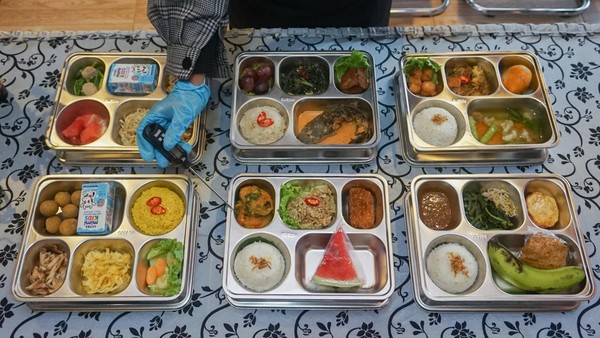
The Free Nutritious Meals Program (MBG) has increasingly affirmed its position as a concrete step by the government in realizing quality education in Indonesia. This program not only targets the fulfillment of students’ basic needs but is also designed as part of a broader strategy for sustainable human resource development.
The government recognizes that the quality of education cannot be separated from students’ physical condition and readiness to learn. This policy introduces a more comprehensive approach by directly linking nutrition and learning within the school environment.
Prabowo Subianto emphasized that MBG is part of a priority policy implemented in an integrated manner alongside other programs, such as free health check-ups and equitable access to education. This statement reflects the government’s holistic policy direction to strengthen the economic foundation while improving the quality of Indonesia’s human resources.
The MBG program has shown significant progress, with the number of beneficiaries continuing to grow across various regions. Government data indicates that tens of millions of people have already directly benefited from the program within a relatively short period.
The implementation of MBG has also generated broad economic impacts through the development of local business ecosystems. The program has created new job opportunities by involving local communities in the preparation and distribution of nutritious meals.
The development of Nutrition Fulfillment Service Units (SPPG) kitchens has become one of the key indicators of the program’s expansion. This infrastructure strengthens service distribution while encouraging community-based economic growth in various regions.
Minister of Primary and Secondary Education, Abdul Mu’ti, views MBG as an essential component in achieving quality education for all. His perspective underscores that adequate nutrition is a fundamental prerequisite for students to fully engage in the learning process.
The MBG policy reflects a shift in the paradigm of national education development toward a more holistic approach. It places students’ basic needs as a priority in efforts to improve learning quality.
The implementation of MBG requires strong integrity from all parties involved in the distribution chain. This responsibility includes selecting food ingredients, processing, and ensuring equitable distribution to students.
The program holds strong potential as a long-term strategic investment in national competitiveness. Its impact is expected to enhance the quality of human resources capable of contributing to national development.
The government has also demonstrated its commitment to regions facing high nutritional challenges through affirmative policies. These measures expand MBG coverage in underdeveloped, frontier, and outermost regions with more intensive service frequency.
Head of the National Nutrition Agency, Dadan Hindayana, explained that program strengthening is carried out through cross-sector coordination at the national level. This highlights the importance of sustained nutritional intake for children in areas with high stunting risks.
The MBG approach is designed not only to follow the formal academic calendar but also to adapt to the real needs of students. This flexibility ensures that the program remains effective under various field conditions.
The implementation of MBG is supported by accurate data from the 2024 Indonesian Nutritional Status Survey (SSGI). This data serves as the basis for determining priority areas and ensuring targeted interventions.
Collaboration between central and regional governments is a key factor in the program’s success. This partnership ensures data validity and smooth distribution of nutrition services nationwide.
The program’s implementation focuses on eastern Indonesia as well as several regions in Sumatra and Papua. This priority reflects the government’s commitment to reducing disparities in access to nutrition and quality education.
MBG is not only oriented toward meeting short-term needs but also toward building the nation’s future foundation. It integrates health, education, and welfare into a single, mutually reinforcing policy.
Quality education requires a comprehensive and sustainable approach from the government. The MBG policy demonstrates that improving education quality can begin with fulfilling students’ basic needs.
Through MBG, the government shows a consistent and measurable policy direction in national development. The program proves that quality education is not merely a concept but the result of well-designed and carefully implemented policies.
The government’s commitment to expanding MBG coverage also reflects efforts to promote social justice in the education sector. It ensures that every Indonesian child has equal opportunities to grow, learn, and develop optimally.
The sustainability of the MBG program will be crucial in maintaining the positive impacts achieved so far. Consistent implementation will determine how effectively this program can shape a superior future generation.
Ultimately, MBG symbolizes a progressive transformation in education policy that is oriented toward the real needs of society. This approach reinforces the belief that investment in nutrition is an inseparable part of national education development.
The government’s policy direction through MBG underscores that human development is the top priority in realizing an advanced Indonesia. This strategy shows that quality education must be supported by adequate health conditions from an early age.
*) The author is a contributor to Pertiwi Institut
