
By: Andhika Rachma
The need for adequate housing remains a fundamental issue in national development, especially for low-income communities. In this context, the subsidized housing program serves as part of the state’s efforts to ensure more equitable access to homeownership while promoting an inclusive and sustainable financing system.
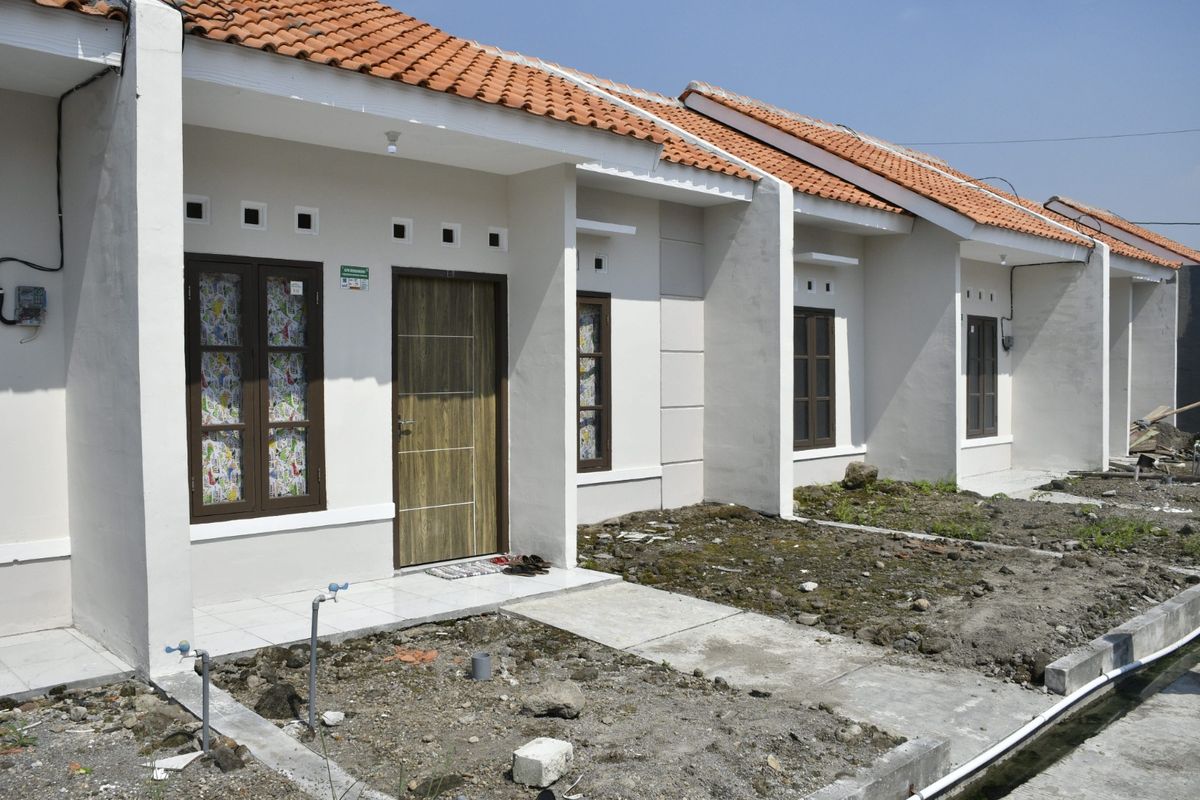
Subsidized housing is a strategic government program designed to ensure that people can access decent homes at affordable prices. In many regions, the price of subsidized housing is maintained at an accessible level, starting from around Rp166 million, with monthly installments of approximately Rp1 million through subsidized mortgage schemes (KPR). This scheme provides a real solution for millions of families who previously struggled to access conventional housing finance.
The key to the program’s success lies in its innovative financing scheme. The government relies on the Housing Financing Liquidity Facility (FLPP) as the backbone of funding, offering fixed interest rates of around 5% with long tenors of up to 20 years. In addition, the Down Payment Assistance Subsidy (SBUM) helps ease the initial financial burden for homebuyers.
Beyond subsidies, the government also promotes financing collaboration with various stakeholders, including banks, financial institutions, and monetary authorities. In the 2025 State Budget (APBN), approximately Rp18 trillion has been allocated to support housing financing for around 220,000 units for low-income communities. This collaboration also involves Bank Indonesia through macroprudential policies, as well as state-owned financial enterprises that strengthen financing and liquidity.
This collaborative approach is increasingly important in supporting the ambitious target of building millions of homes each year. Programs such as the “3 Million Houses” initiative demonstrate that the government is not only focused on demand but also on strengthening supply through support for developers and the utilization of state-owned land. This is expected to help reduce housing prices, especially in urban areas where land prices are high.
In addition, policy innovation is beginning to target segments previously unreached by subsidized programs, such as millennials and civil servants (ASN). The government is preparing new financing schemes with interest rates below 5% and low down payments of around 1%, even without strict income limits. This policy is a strategic step to expand access to homeownership among productive groups who do not yet own homes.
From an implementation perspective, the distribution of subsidized housing financing continues to increase, although challenges remain in meeting national targets. Notably, regions such as West Java have recorded some of the highest distribution levels, reflecting both high demand and positive public response. This indicates that inclusive financing approaches can effectively boost public participation.
Minister of Housing and Settlement Areas (PKP), Maruarar Sirait, confirmed that the allocation of subsidized housing for Central Java in 2026 will reach around 40,000 units. The province has shown strong performance in the housing sector at the national level, which is notable given its status as the third most populous province in Indonesia. The government is also intensifying the Self-Help Housing Stimulant Assistance Program (BSPS), commonly known as the “home renovation” program.
Financing collaboration is also reflected in the role of BP Tapera as an integrated housing fund manager. Through savings and financing mechanisms, Tapera connects long-term funding sources with public housing needs. This system enhances sustainability, as it does not rely solely on the state budget but also on participant contributions and professional fund management.
Furthermore, synergy between the central government, regional governments, the private sector, and financial institutions forms a crucial foundation for expanding housing access. The Director General of Housing and Settlement Areas at the Ministry of PKP, Fitrah Nur, emphasized BP Tapera’s commitment to optimizing the BSPS program for the 2026 fiscal year as part of efforts to expand access to decent housing while also supporting community economic empowerment.
The impact of this collaboration is reflected not only in the increasing number of houses built but also in improved quality of life. Homeownership provides a sense of security, economic stability, and greater opportunities for family welfare. Additionally, the housing sector generates significant multiplier effects on the economy, from building materials industries to employment.
Looking ahead, the challenges are considerable. Rising land prices, limited urban land availability, and the need for environmentally friendly housing must all be addressed. However, with a continuously strengthened collaborative approach, the government has a strong opportunity to overcome these challenges.
Subsidized housing is no longer merely a social assistance program but a core part of a national development strategy focused on social equity. Through innovative and inclusive financing collaboration, access to decent housing is becoming increasingly open to all segments of society. As a result, the dream of owning a home is no longer out of reach, but a reality that is steadily becoming attainable for the people of Indonesia.
*) Public Policy Observer
