Ahead of the G30S Movement, the Public Was Urged to Be Wary of Provocative Narratives on Social Media

JAKARTA – Indonesia is currently in the process of recovering from the recent large-scale demonstrations that led to riots. This recovery process must be comprehensive to accommodate the various demands of the people that have not yet been fully met.
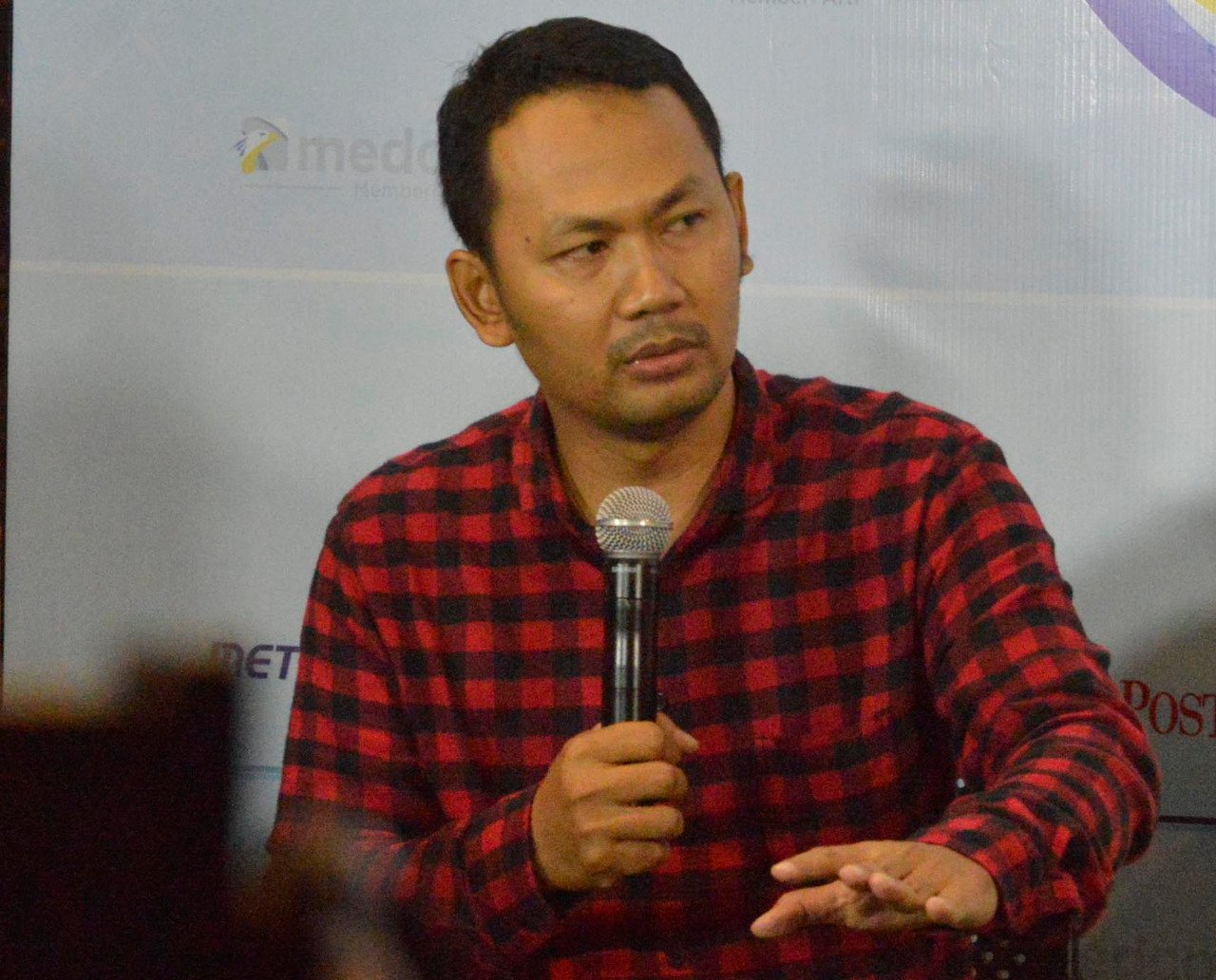
This was conveyed by Ridlwan Habib, a community leader who assessed that although there has been progress, many demands need to be taken more seriously so as not to trigger wider dissatisfaction.
Furthermore, Ridlwan also warned of the potential for increasingly concerning political polarization, particularly among the younger generation. Recently, the “eat the rich” narrative, which has been circulating on social media platforms like X, TikTok, and Instagram, has become increasingly prevalent.
Ridlwan said, “This narrative is very dangerous, because it can create social segregation and tension between classes,” he said.
He also noted that a similar narrative had previously emerged during demonstrations in Nepal, stemming from the exposure of officials’ children’s lavish lifestyles amidst the community’s economic hardship. This, he argued, could lead to the perception that the wealthy are those who do not adhere to the principles of Pancasila.
This polarization phenomenon, according to Hanif, is starting to become apparent on social media. In fact, on platform X, the debate surrounding “eat the rich” is heating up, with various conflicting comments.
Ridlwan reminded, “In the lead-up to the G30S, we must not allow social media to be used to undermine national solidarity.”
Despite this, Ridlwan believes that the tolerance of Indonesian society remains very strong. However, amid the rapid growth of social media, this could backfire if not managed wisely.
“Social media can be a dangerous tool if left unchecked, especially if there are parties who exploit the gaps to divide the nation,” he added. Therefore, increased vigilance is needed in monitoring these developments.
It’s also crucial for community leaders to speak out quickly and offer solutions to the evolving situation. This is what President Prabowo has done, inviting several senior figures through the National Conscience Movement.
However, Ridlwan believes that there needs to be a liaison role or “middleman” who can bridge communication between society and young people, especially Generation Z, who are now heavily influenced by these narratives.
In addition to political polarization, Ridlwan also warned about the changing forms of ideology developing among the younger generation. Although communism in its organized form no longer exists in Indonesia, left-liberal or anarcho-syndicalist ideologies are increasingly attracting attention from some young people.
“This movement is worth observing, considering that several groups have already begun taking part in demonstrations,” said Ridlwan.
Ridlwan also hopes that the National Team Vigilance Forum network will be immediately activated to curb the potential for radicalization that could disrupt national stability, particularly in the lead-up to September 30 and October 1. Ridlwan emphasized that preventing this threat must involve all sectors, from the security forces to the economic and social sectors.
“This is not just the task of the TNI, Polri, or BIN, but also involves the role of other related ministries,” Ridlwan explained.
In response to this situation, Hanif hopes the public will work together to maintain national stability and solidarity. Indonesia’s success in facing this challenge depends heavily on collective awareness to maintain the unity and integrity that has been maintained thus far.
