
By: Gavin Asadit )*
The Free Health Check (CKG) program has further strengthened its role as a strategic foundation for disease prevention in Indonesia and an integral part of strengthening the national health system. Entering 2026, the implementation of the CKG program not only demonstrates significant participant numbers but also reflects a paradigm shift in healthcare services from a focus on curative care to a focus on prevention and promotion.
From 2025 to early 2026, official data shows that more than 70 million people have utilized CKG services, reaching nearly a third of Indonesia’s total population. This figure is based on the Ministry of Health’s daily report, which recorded 70,292,151 participants out of a total of 73,128,356 registrants by the end of December 2025. This participation is highly encouraging considering the extensive coverage of government health services across all Indonesian provinces.
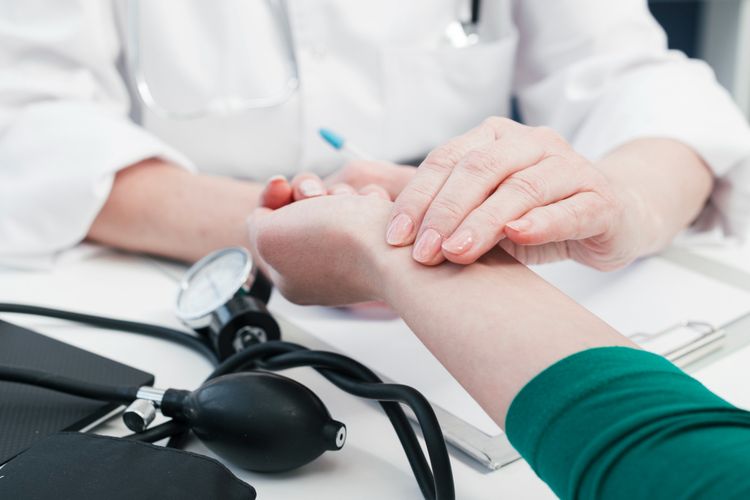
The CKG program is designed to provide free basic health checks to Indonesians at primary health care facilities such as community health centers (Puskesmas) and schools, as well as through outreach programs in communities, workplaces, and public spaces. The government views early detection through CKG as a crucial step in reducing the burden of preventable diseases at an early stage, accelerating diagnosis, and reducing the risk of serious complications later in life. With screenings that cover a range of health indicators, including blood pressure, blood sugar, and other risk factors, the program also helps people understand their health and take preventative measures early.
In a recent press conference in mid-January 2026, Health Minister Budi Gunadi Sadikin emphasized that the Leprosy Prevention and Control (CKG) program had also undergone an expansion of its functions. Starting in 2026, the Ministry of Health included leprosy screening in the CKG as part of its strategy to accelerate the elimination of this infectious disease. This represents a substantial adjustment, as the CKG program previously did not include such screening. This step not only broadens the scope of early detection but also demonstrates the government’s commitment to significantly eradicating the remaining infectious disease in Indonesia.
According to Budi, although leprosy is a disease with a low level of transmission, the importance of early case detection cannot be overstated. This policy is also supported by a comprehensive treatment program until cure, as well as prophylaxis or prevention for close contacts of sufferers.
This significant public participation is considered an early indicator that the pandemic mentality of “being healthy only when you’re sick” is slowly beginning to change. President Prabowo Subianto has positioned the CKG as a key pillar in strengthening national preventive healthcare services. According to the President, the high burden of preventable diseases is one of the main issues in the national healthcare system. The CKG is one of the government’s responses to low public awareness of routine health check-ups and the high cost of treatment for diseases diagnosed at an advanced stage.
This paradigm shift is also reflected in the government’s more ambitious targets for 2026. The Head of the Communication and Public Information Bureau of the Ministry of Health, Aji Muhawarman, stated that the government is targeting CKG coverage to reach 46 percent of the total Indonesian population this year. This target was formulated based on an evaluation of the previous year’s program results, which covered 70.8 million participants, or approximately 24.9 percent of the total population. This ambitious target demonstrates a strong push to expand access to free basic health checks across all segments of society.
Furthermore, the government is modernizing and integrating the CKG information system to improve the recording, reporting, and utilization of public health data in real time. Although there was a temporary disruption to the CKG SSI/ASIK service in early January 2026 due to a system update, this improvement is expected to strengthen the service database and support future health planning.
Health experts believe that strengthening preventive services, such as the CKG, is key to reducing the burden of non-communicable diseases (NCDs) such as diabetes and hypertension, as well as reducing the risk of existing infectious diseases like tuberculosis and leprosy. With early detection, early treatment, and intensive health education, the disease burden can not only be reduced but also reduce long-term healthcare costs, a significant challenge for the national health system.
Along with the expansion of coverage and integration of programs and innovative efforts in early detection, CKG has demonstrated that preventive health services are not just policy ideals but practical steps that can save millions of lives, minimize the socioeconomic burden of disease, and strengthen the resilience of Indonesia’s national health system in the future.
)* The author is an observer of social and community issues
