
By: Yusuf Rinaldi)*
In recent years, the Indonesian Investment Management Agency (BPI) has taken bold and strategic steps to maintain the sustainability of State-Owned Enterprises (SOEs) in Indonesia. Under the direction of President Prabowo Subianto, the government has launched various initiatives to manage and consolidate SOE assets that were previously fragmented and spread across various companies.
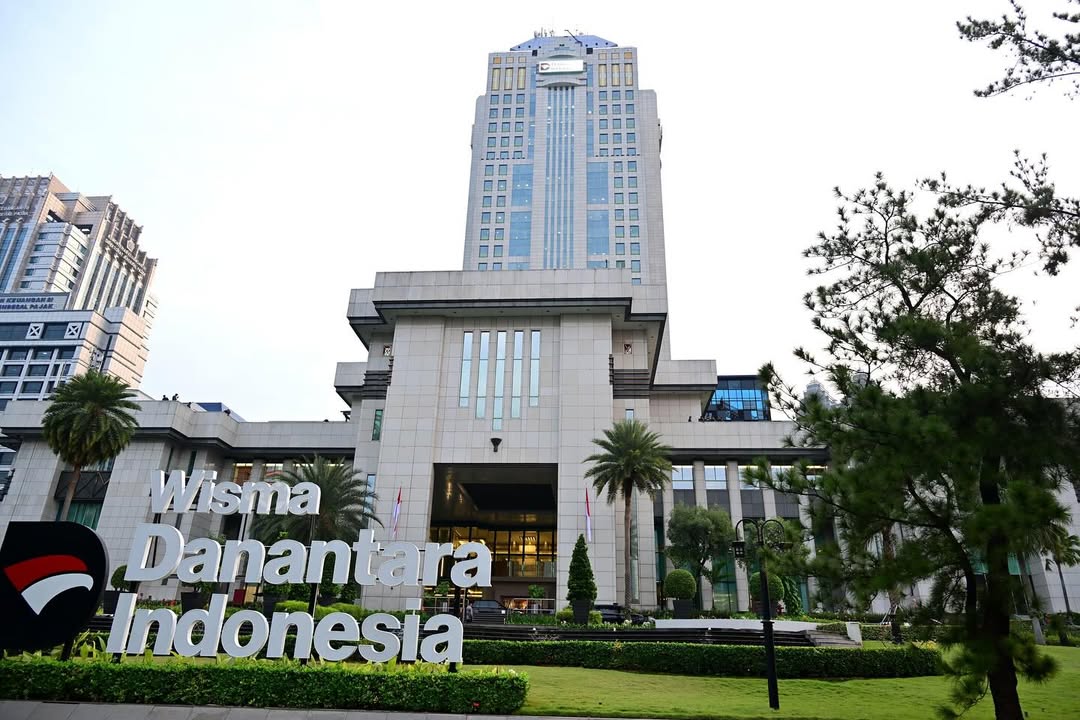
This aims to ensure that the country’s assets are managed optimally, efficiently, and transparently. One major step taken was the establishment of Danantara Indonesia, which functions as a state asset manager with a focus on consolidating and transforming state-owned enterprises (SOEs) to achieve higher profits, strengthen accountability, and contribute more significantly to the national economy.
In his speech, President Prabowo Subianto emphasized the importance of consolidating state-owned enterprise assets spread across thousands of companies. With over US$1 trillion successfully pooled under a single management platform through Danantara, this effort is expected to strengthen the management of state assets under a single, integrated framework. Previously, the disparity of state assets made their management less effective and efficient, impacting suboptimal national economic performance.
This merger is not only about combining various physical and financial assets, but also aims to improve the governance of state-owned enterprises (SOEs) to optimize their contribution to the national economy. As part of this effort, President Prabowo also reiterated his commitment to eradicating corrupt practices that could harm the state by summoning former SOE leaders implicated in abuse of power.
In addition to consolidation, Danantara is also focusing on a transformation program involving strategic projects that can increase the contribution of state-owned enterprises to the Indonesian economy. One particularly significant step is the downstreaming of Indonesia’s natural resources, such as the processing of bauxite into alumina, the development of biofuels, and various other downstream projects that will positively impact the national economy.
Danantara’s Chief Operating Officer (COO), Dony Oskaria, stated that by 2026, Danantara is targeting state-owned enterprise profits of around Rp350 trillion, following the completion of 41 ongoing projects, including downstreaming projects and transformation programs involving state-owned enterprise mergers and consolidations. He believes this achievement will boost return on assets and strengthen state-owned enterprise contributions in tax payments and social roles.
Beyond focusing solely on the manufacturing and natural resources sectors, Danantara has also begun revamping the insurance sector, which has long been considered problematic, particularly in terms of overlapping governance. A major step in this sector is the separation of General Insurance and Credit Insurance (Guarantee). This step is crucial to safeguarding the mandate of Askrindo and Jamkrindo as the backbone of the People’s Business Credit (KUR) program, which plays a vital role in supporting financing for the MSME sector in Indonesia.
Dony Oskaria explained that this business separation is not only a matter of structure, but also related to the risks faced. If these two business lines were combined, it would be difficult to separate the regular loss insurance risks from the credit guarantee risks. Therefore, Danantara conducted an in-depth study to ensure that the guarantee business remains separate from the loss insurance risks.
This insurance sector consolidation is expected to reduce risks and ensure the efficient and sound operation of state-owned insurance companies, both financially and operationally. With the establishment of the Indonesia Financial Group (IFG) as a holding company for state-owned insurance companies, Danantara hopes for centralized and professional management to strengthen the performance of state-owned insurance companies and positively impact the national economy.
Danantara is also committed to reducing the number of state-owned insurance companies involved in this sector from 15 to just three by 2026. This is a major step taken to ensure that state-owned insurance companies have clear specializations and focus on carrying out their duties. This consolidation step is not only about operational efficiency but also ensures that each company has a clear and structured business scope.
In this regard, Danantara is also closely coordinating with the Financial Services Authority (OJK) to ensure the separation and consolidation process complies with applicable regulations and does not pose significant risks to the country’s financial system. The OJK also welcomed this move, emphasizing the importance of clear separation between business lines, as this will improve capital resilience and risk management, which are crucial for a more sustainable future.
Danantara Indonesia’s major transformation represents a significant step forward in maintaining the sustainability of state-owned enterprises (SOEs) and strengthening their contribution to the Indonesian economy. With various downstream projects, the separation of business lines in the insurance sector, and SOE consolidation, Danantara is poised to become a driving force for a more resilient and sustainable national economy.
)*The author is an economic observer
