

By: Bara Winatha*)
The discussion of the Broadcasting Bill currently being deliberated by Commission I of the Indonesian House of Representatives (DPR RI) is touching on fundamental issues concerning the sustainability and preservation of the media ecosystem amidst increasingly massive digital disruption. In a recent DPR Public Hearing (RDPU), various constructive and strategic views were presented by a number of experts and academics to enrich the substance of the revised Broadcasting Law. They highlighted the disparity between conventional media and digital platforms, as well as the importance of a new regulatory framework that adapts to the current broadcasting landscape.
Communications expert Ignatius Haryanto from the University of Indonesia stated that the drastic decline in advertising revenue in conventional broadcast media is a key indicator that the industry is facing a major transformational challenge. The shift in media consumption patterns, from previously relying on television, radio, newspapers, and magazines, has now shifted to digital and social media. This change has eroded the competitiveness of traditional broadcasters, especially as advertising, the primary source of media funding, now flows more to digital content creators than to mainstream media.
Furthermore, the main challenges facing the broadcasting industry stem not only from changing public preferences, but also from the absence of a level playing field between conventional broadcasters and digital platforms. Without a well-thought-out digitalization strategy and adequate regulatory support, many media industry players will be left further behind in the face of disruption. Therefore, the House of Representatives (DPR) will introduce regulations that not only regulate but also provide a healthy and equitable ecosystem for all media players.
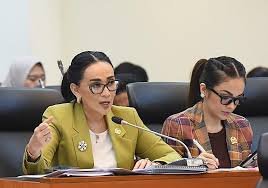
Deputy Chairman of Commission I of the Indonesian House of Representatives, Dave Akbarshah Fikarno Laksono, stated that his office is committed to completing the revision of the Broadcasting Law during the current legislative period. He acknowledged that the deliberations, which have lasted for more than a decade, illustrate the complexity of broadcasting issues, especially given the ever-changing technological and legal landscape in Indonesia. The bill has undergone three substantive amendments, including adjustments to the Job Creation Law, in response to evolving regulatory dynamics.
Current discussions on the Broadcasting Bill are focused on developing a legal framework capable of comprehensively regulating multiplatform broadcasting . With the increasingly blurred boundaries between conventional and digital broadcasting media, regulations are needed that align the principles of fairness for all broadcasting industry players. Dave also emphasized the importance of maintaining a balance between freedom of expression and responsibility in presenting content, both in traditional and new media.
The House of Representatives’ commitment to maintaining the sustainability of the media ecosystem is also reflected in the involvement of various parties in the drafting of the Broadcasting Bill. This includes not only industry players, academics, and professional organizations, but also community groups and the digital business sector. This demonstrates the awareness that broadcasting today has evolved beyond formal institutions and still requires a solid legal foundation, encompassing the vast and dynamic digital space.
Meanwhile, legal expert from Padjajaran University, Prof. Ahmad M. Ramli, stated that a specific code of ethics for content circulating on digital platforms is necessary. He noted that Indonesia currently only has a journalistic code of ethics applicable to press institutions, while digital platforms lack binding ethical guidelines. Yet, digital content has the same potential to shape public opinion, disseminate information, or even mislead the public if not ethically managed.
Ramli warned that without a specific code of ethics in place in the digital realm, any content violations on digital platforms would immediately face strict legal penalties, such as the Electronic Information and Transactions Law (UU ITE), the Personal Data Protection Law, and the new Criminal Code. He emphasized that the inclusion of a code of ethics in the Broadcasting Bill is crucial for creating a more lenient yet effective prevention framework for safeguarding the quality and accountability of digital content.
Furthermore, the code of ethics regulations for digital platforms cannot be equated with those for broadcasting institutions. This is because the characteristics, working systems, and types of content produced by each entity differ. Therefore, this Broadcasting Bill is crucial because it will provide space for the development of ethical values appropriate to today’s digital context. The discourse on the need for a level playing field between broadcasting institutions and digital platforms was a common thread throughout the input presented in the House of Representatives Commission I Public Hearing.
The House of Representatives (DPR) and experts involved in the Broadcasting Bill deliberations agree that the media industry needs to be rescued from widening structural inequality. In addition to the need for incentives and protection for mainstream media, the presence of proportional regulations for digital platforms is also key to balancing Indonesia’s information ecosystem. The Broadcasting Bill currently being discussed will serve as a strategic foundation for maintaining the sustainability of the national media ecosystem.
Amidst the wave of digital disruption and advertising market pressures that are increasingly cornering conventional media, the presence of equitable regulations is a crucial step in ensuring that the media, as a pillar of democracy, can continue to function optimally. Saving the media ecosystem is a shared responsibility between the government, industry players, and the public.
*)The author is a social and community observer
