
By: Khalilah Nafisah*
The issue of drug trafficking in Indonesia continues to show a worrying trend. In May 2025, state authorities successfully thwarted an extraordinarily large narcotics smuggling attempt—totaling four tons of methamphetamine and cocaine. This success was welcomed enthusiastically by the public, as it saved millions from the grip of addiction and international organized crime. However, this enforcement achievement is just the tip of the iceberg; the next task is to ensure cooperation from all elements of society to comprehensively prevent drug abuse and circulation.
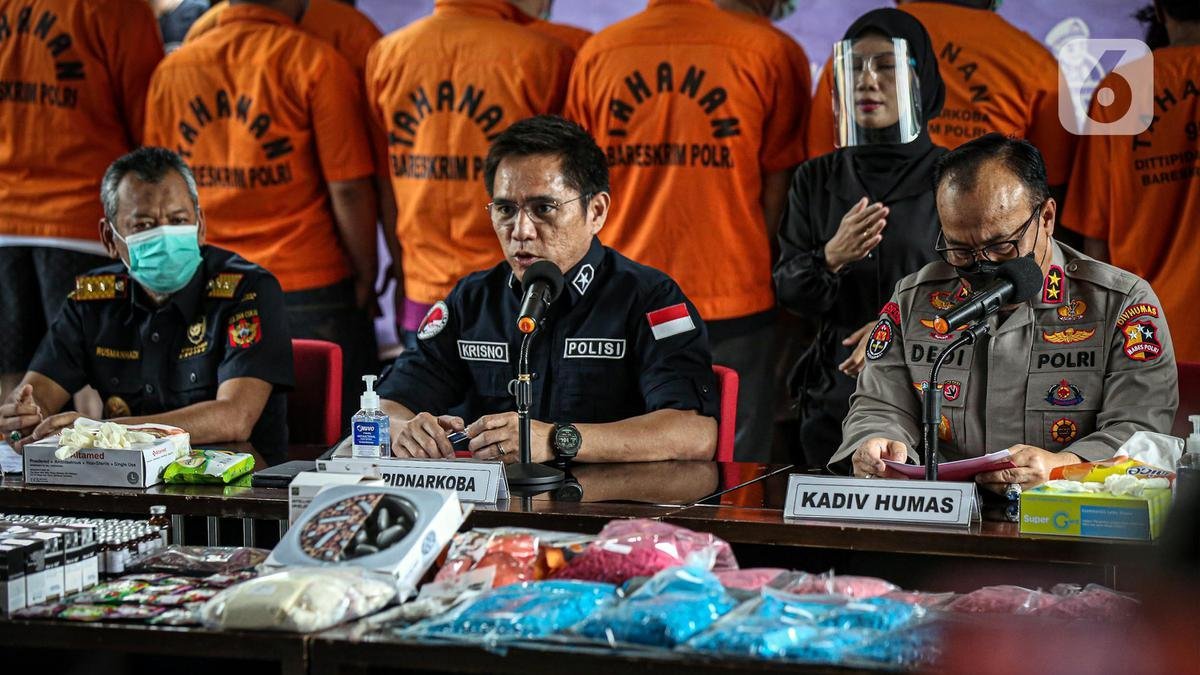
On May 13, 2025, the Indonesian Navy uncovered an attempt to smuggle 2 tons of narcotics—768,823 grams of methamphetamine and 1,285,030 grams of cocaine—via a Thai-flagged fishing vessel. In this case, five crew members were named suspects, including one Thai citizen and four Myanmar nationals. Just seven days later, on May 21, 2025, a joint task force from the National Narcotics Agency (BNN), Customs, Indonesian Navy, and Police again foiled the smuggling of 2 tons of methamphetamine by the motor vessel Sea Dragon Tarawa sailing from Andaman, Myanmar. This time, six crew members—four Indonesian citizens and two Thais—were arrested.
BNN Chief Commissioner General Marthinus Hukom emphasized that these successful case breakthroughs reflect the implementation of Astacita and the Indonesian President’s priority programs in drug prevention and eradication. President Prabowo Subianto’s directive underscores the need to strengthen intelligence capabilities to map transnational drug syndicates, study their modus operandi, and identify criminal movement patterns. BNN has responded by deploying intelligence personnel to vulnerable areas, conducting in-depth intelligence analysis, and enhancing intelligence human resource capacity to conduct round-the-clock operations.
We need to examine the philosophical roots of why some citizens dare to become actors in drug syndicates. Police Inspector General Krishna Murti, Head of the Police International Relations Division, explained that international syndicates recruit Indonesians because they are considered obedient and less suspicious. There are also deception methods, such as tricking potential couriers by claiming the items they carry are important documents or family medicine. Consequently, many drug couriers come from economically disadvantaged backgrounds driven by urgent needs.
Drug trafficking is not merely a criminal issue; it is also a manifestation of a social justice crisis. When part of society lives on the edge of poverty, the lure of quick money as a drug courier—even at the risk of facing the death penalty abroad—becomes a seemingly logical choice. The Ministry of Foreign Affairs reported that 157 Indonesians were at risk of death penalty overseas in January 2025, the majority related to narcotics cases.
In this context, public support for drug eradication must involve expanding economic and educational opportunities. Economic incentives, vocational training, and educational scholarships have been continuously promoted to break the cycle of individuals entering the world of drug crime. Furthermore, strengthening legal literacy is important so the public understands the severe consequences of involvement in narcotics use or trafficking.
BNN is actively hunting international syndicate networks. Two major fugitives, Chan Chai (controller of Sea Dragon Tarawa) and Ka Khao (owner of the vessel The Aungtoetoe99), are now on Interpol’s red notice list. The “drug signature” testing strategy by BNN’s laboratory is expected to reveal connections between syndicates. If the evidence samples have the same composition, it can be concluded they come from the same factory in the Golden Triangle region. This analysis also links to fugitive Dewi Astuti, a former migrant worker suspected of being at the top of the Southeast Asian drug syndicate.
This scientific rationale shows the importance of synergy between intelligence, police, and international agencies. However, successful law enforcement must be balanced with strict oversight and transparency. The BNN Chief stated that BNN has stringent mechanisms to supervise evidence to prevent leaks. Every process of recording and labeling is monitored by the Directorate of Internal Affairs, while hundreds of Brimob personnel and naval base guards remain on 24-hour standby to secure the evidence. This step not only protects the physical evidence but also maintains public trust in law enforcement integrity.
It is also essential to engage societal elements in the anti-drug movement. BNN Chief Marthinus Hukom called for a resurgence of anger and hatred toward this illicit substance, urging active roles from all societal elements. Unity and moral solidarity are strengths to fight organized crime. Civil society—including families, schools, mass organizations, and the media—must embrace synergy in prevention through outreach, user rehabilitation, and monitoring vulnerable environments.
Overall, drug eradication requires collective cross-sectoral work—from law enforcement, intelligence agencies, maritime forces, local governments, religious leaders, academics, to the general public. Social justice can only be realized if all parties participate in fulfilling their rights and responsibilities. The government has shown commitment through strengthened intelligence, investigating international networks, and firm enforcement; now it is our turn to affirm solidarity and actively contribute to prevention.
*) The author is an anti-drug activist
