

Jakarta – The United States’ import tariffs on Indonesian products are not expected to undermine the government’s efforts to maintain employment in the industrial sector. Maybank Indonesia’s Global Market Economist, Myrdal Gunarto, emphasized that the national manufacturing sector remains solidly competitive amidst global trade uncertainty.
According to Myrdal, Indonesia’s potential to continue aggressively absorbing labor remains wide open as long as government policies support an investment climate and production efficiency.
“As long as the global tariff climate remains as it is now, and Indonesia’s tariffs are among the lowest compared to other countries, there is still a significant opportunity for the manufacturing sector to continue growing and absorbing labor,” said Myrdal.
The new import tariff policy from the United States government under Donald Trump, which will take effect in August 2025, is indeed a challenge. This 19% tariff is higher than the current MFN (Most-Favored Nation) tariff, which averages only 8%. Nevertheless, Indonesia is still considered to have advantages that can be maximized.
Myrdal stated that within the framework of international trade, Indonesia’s industrial sector remains competitive thanks to low import tariffs for supporting products. Some commodities from the United States, such as oil and gas and strategic food, even enter Indonesia at 0% tariffs.
“With zero percent tariffs on oil, gas, and food from the US, we can obtain cheap energy that supports production efficiency. This is crucial for supporting manufacturing productivity and reducing logistics costs,” said Myrdal.
Besides supporting production costs, Myrdal also believes that government policies in the food and energy sectors can maintain industrial stability. He believes that the free nutritious meal program and efforts to achieve national energy independence will have a positive impact on employment.
“If the free nutritious meal program is truly implemented, and efforts to achieve energy independence are continuously strengthened, this will create stability that will boost industrial productivity. Ultimately, this will undoubtedly have an impact on increasing employment,” said Myrdal.
He added that as long as the government can maintain a conducive business climate, the manufacturing sector will remain the backbone of the national economy.
“Labor absorption shouldn’t be a major problem. There are still competitive advantages that can be maintained and maximized,” said Myrdal.
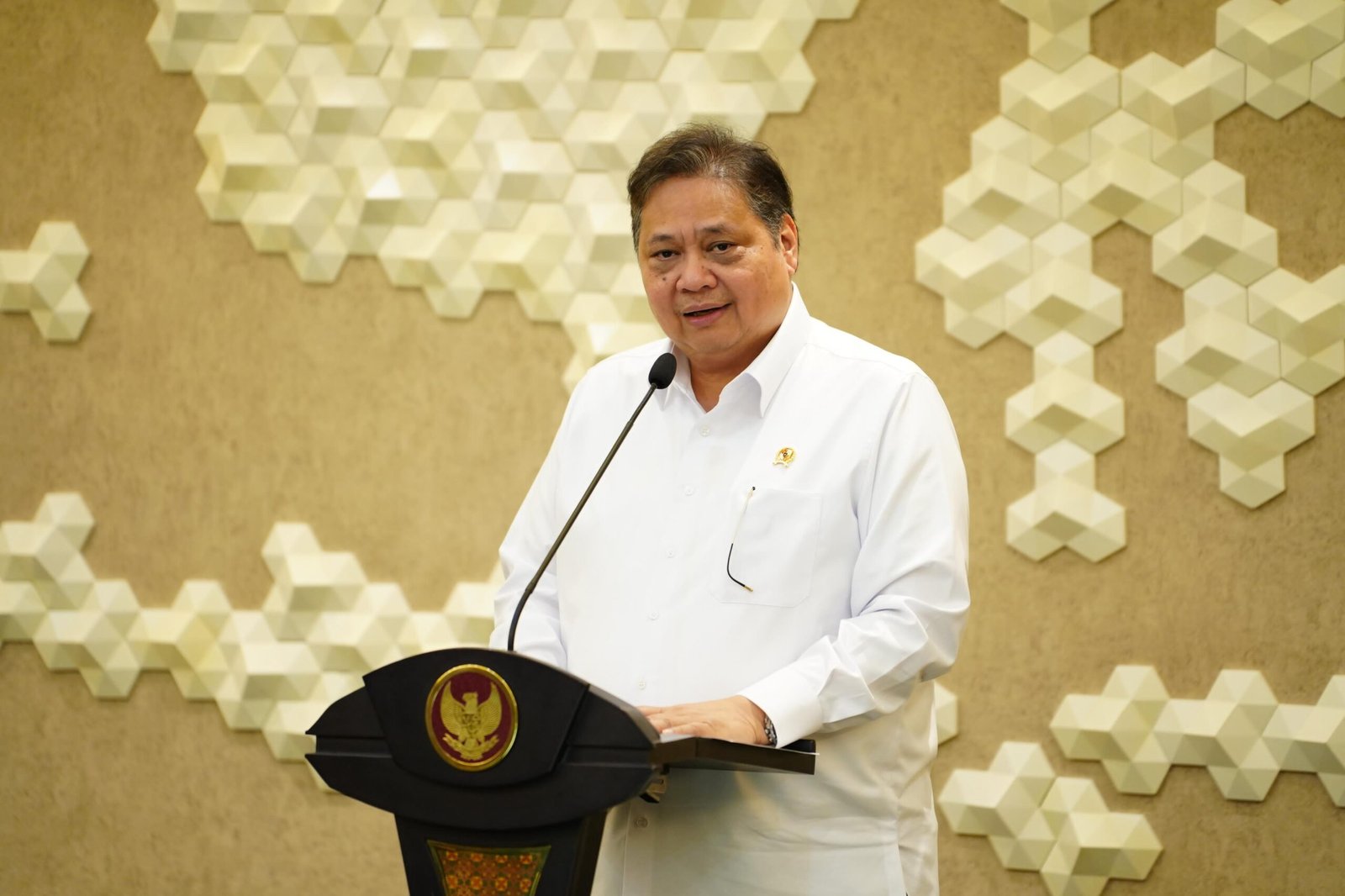
Coordinating Minister for Economic Affairs Airlangga Hartarto expressed similar optimism. He emphasized that the United States’ import tariff reduction policy would have a significant impact on the domestic labor-intensive industrial sector.
During a socialization event on reciprocal tariff policies at the Coordinating Ministry for Economic Affairs Office, Airlangga revealed that protecting labor-intensive sectors is a government focus to ensure job absorption remains stable.
According to him, supportive tariff policies can save millions of workers from the threat of layoffs.
“I said if this isn’t granted, Indonesia’s competitiveness will be compromised, and 1 million people will lose their jobs. So, America wants to be a partner with Indonesia, the third-largest democratic country and the largest economy in Southeast Asia,” Airlangga said.
The government is optimistic that this policy will strengthen the resilience of the domestic industry. With full government support and the readiness of the private sector, the national industry is expected to absorb more workers amidst the dynamics of global trade.
