
By: Antonius Utomo *)
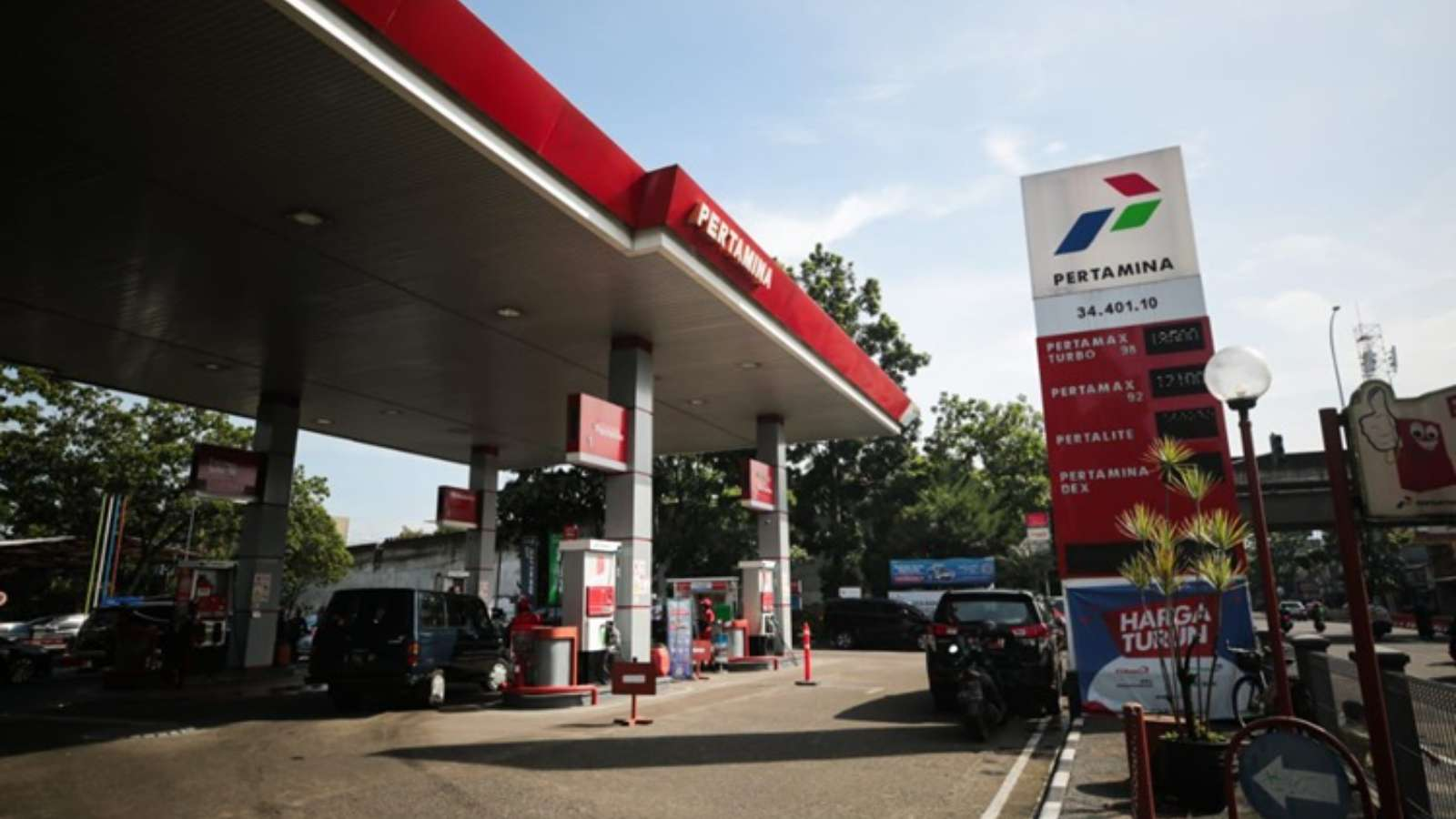
Amidst rapidly evolving global dynamics, issues regarding energy availability, particularly fuel oil (BBM), frequently attract public attention. Geopolitical tensions in various regions, fluctuations in global oil prices, and disruptions to the global supply chain often trigger public concern. However, the government ensures that the national fuel supply is secure and under control, preventing panic buying, which could potentially create new problems.
The current global situation is inextricably linked to various factors. Conflicts in several oil-producing regions and production policies of major exporting countries have a direct impact on international crude oil prices. Nevertheless, the Indonesian government has anticipated this situation with a well-thought-out strategy, including strengthening national energy reserves, diversifying supply sources, and optimizing domestic production.
The Minister of Energy and Mineral Resources, Bahlil Lahadalia, confirmed that Indonesia’s fuel oil (BBM) stocks are secure. Fuel reserves are above national standards. All fuels are above the national minimum standard, including solar power, gasoline, gas, aviation fuel, and LPG.
The Ministry of Energy and Mineral Resources (ESDM), along with state-owned energy companies (SOEs), continues to intensively monitor the supply and distribution of fuel. The latest monitoring results indicate that national fuel stocks are at a safe level, even sufficient to meet the public’s needs for a relatively long period. Distribution is also running smoothly in various regions, including those known for their geographical challenges.
Furthermore, the readiness of energy infrastructure is also a crucial factor in maintaining supply stability. Oil refineries are operating optimally, while storage and distribution facilities continue to be strengthened. The government also ensures that fuel logistics channels remain secure, ensuring there are no disruptions in distribution to the public. With these measures, the potential for disruptions due to external factors can be minimized.
Furthermore, the government is actively engaging in public communication to provide a comprehensive understanding to the public. Transparent and accurate information is key to alleviating excessive anxiety. On several occasions, relevant officials have stated that there is no reason for the public to overbuy fuel. Panic shopping can actually create a false sense of scarcity on the ground, ultimately harming the public. Panic buying is often driven by perception, not reality. When people see long lines or hear rumors of shortages, they are compelled to buy more than they need.
Furthermore, efforts to maintain national energy security are also being implemented through various strategic programs, such as the development of new and renewable energy, increasing energy efficiency, and reducing dependence on imports. These measures aim not only to address current conditions but also to ensure energy sustainability in the future. This way, Indonesia has a strong foundation to face various global challenges.
Support from various parties, including businesses and the public, is also a crucial factor in maintaining this stability. Businesses in the transportation, logistics, and industrial sectors are expected to continue operating normally without hoarding fuel. Meanwhile, the public is encouraged to use fuel wisely and according to their needs. This collaboration will create a healthy and stable ecosystem in the energy sector.
The Coordinating Minister for Economic Affairs of the Republic of Indonesia, Airlangga Hartarto, ensured that the national fuel supply is secure amidst evolving global dynamics. He emphasized to the public that the national economy remains stable, with solid fundamentals, secure national fuel stocks, and maintained fiscal stability.
In a broader context, stable fuel supplies also contribute to national economic stability. Guaranteed energy availability supports production activities, goods distribution, and public mobility. This ultimately maintains purchasing power and maintains positive economic growth. Therefore, maintaining calm in the face of global issues is part of a joint effort to strengthen national resilience.
Going forward, the government will continue to enhance preparedness to address various eventualities. Global developments will be monitored continuously, while adaptive policies will be continuously prepared. With a proactive and measured approach, Indonesia is expected to maintain energy stability amidst global uncertainty.
With all the efforts that have been made, the public need not worry about fuel availability. Current conditions indicate that supplies are secure, distribution is running smoothly, and the government is ready to take swift action if necessary. Therefore, panic buying is not a solution, but rather a potential problem that must be avoided. A calm, rational attitude, and trust in official information are key to handling this situation wisely.
)* Economic Observer
