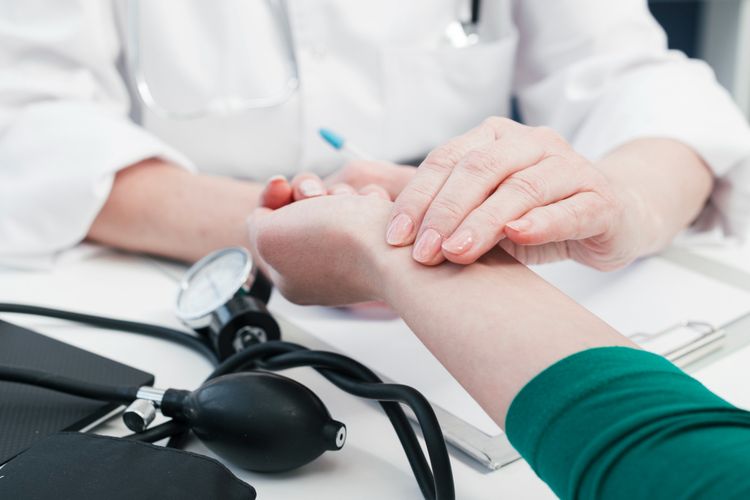
Government Continues to Encourage the Public to Utilize the CKG Program as Part of Health Services

By: Munadi Nur Hikmah)*
The government continues to strengthen public access to accessible, high-quality, and preventive health services through the Free Health Check (CKG) Program. This initiative has become one of the key strategies to promote early disease detection while cultivating a culture of healthy living across all levels of society. In recent years, the implementation of CKG has been increasingly expanded through collaboration between central and regional governments, including various innovations that help services reach areas that previously had limited access to adequate healthcare facilities.
The Vice Minister of Health, Benjamin Paulus Octavianus, expressed his appreciation for regions that have successfully developed CKG services through innovative approaches. He highlighted the Mobile Specialist Doctor Program (Speling), initiated by the Central Java Provincial Government, as a notable example of successful implementation. According to him, Speling not only complements CKG services but also plays a significant role in strengthening early detection efforts for diseases that often go unnoticed by the public.
Benjamin explained that the combination of CKG and Speling enables health workers to more quickly and accurately detect residents’ health conditions, including non-communicable diseases such as diabetes mellitus and hypertension. He added that the use of devices such as portable x-ray machines enhances doctors’ ability to identify infectious diseases, tumors, lung disorders, or other abnormalities more precisely before they develop into more serious conditions. He also encouraged the broader replication of similar initiatives across Indonesia, with the hope that people nationwide can enjoy better and more equitable health services.
The Governor of Central Java, Ahmad Luthfi, also emphasized that the Speling Program represents concrete evidence that the state is present in providing comprehensive healthcare services down to the village level. He explained that the program has served more than 20 million residents and has been delivered in various locations, from village halls to schools. According to him, this proactive approach is highly beneficial for residents who have long faced barriers due to distance or limited healthcare facilities.
Supporting his statement, data from the Central Java Health Office shows that the CKG Program has reached 10,878,489 people, while the Speling Program, as of November 5, has been implemented in 722 villages with a total target of 73,813 individuals. The governor believes these achievements demonstrate that integrating regional health services with national programs such as CKG can be a service model worth developing in other provinces. By bringing services directly to communities, disease prevention efforts can be carried out more effectively.
Beyond focusing on physical health, the CKG Program also broadens its attention to mental health—an aspect often overlooked but one that significantly impacts productivity and quality of life. The Chair of the Early Detection and Prevention of Mental Health Problems and Substance Abuse Working Team at the Ministry of Health, Yunita Arihandayani, explained that a total of 365,730 adults and elderly individuals in DKI Jakarta have undergone mental health screening under the CKG Program. She revealed that from the total, around 10,973 people—or 3 percent—showed potential symptoms of depression.
Yunita also emphasized that the depression rate for residents aged over 15 in Jakarta is around 1.5 percent, which is higher than the national average. She stated that the screening results indicate that the more people undergo mental health checks, the greater the opportunity for the government to provide effective early interventions. She encouraged those who have not yet participated in mental health screening to utilize CKG services, as early handling of psychological issues can prevent more serious disorders in the future.
These various accomplishments underline that the CKG Program is not merely a standard health examination service but part of a national movement to instill healthy living awareness and strengthen community health resilience. Through a combination of technology, medical personnel, regional innovations, and public participation, the government aims to ensure that health is not just a clinical responsibility but a collective movement involving all stakeholders.
At this stage, the government’s commitment is evident. What is now required is active public participation so that the benefits of CKG can be felt more widely. The willingness of citizens to undergo routine examinations is an important part of maintaining the health of themselves, their families, and the surrounding community.
Early detection is the most effective step in preventing diseases from developing into more severe conditions, because the sooner a health issue is identified, the greater the chances of successful treatment without complications. By fully utilizing CKG, the public can gain a more comprehensive understanding of their health status and be encouraged to adopt healthier and more disciplined lifestyles. These efforts not only help individuals but also reduce the overall burden on healthcare services.
Active public participation is key to creating a health-conscious society. When early detection is carried out routinely and becomes a shared habit, Indonesia will move closer to its vision of becoming a healthier, stronger nation capable of competing globally. This collective awareness will form the foundation of a resilient and sustainable national health system.
*) The author is a Public Health Observer
