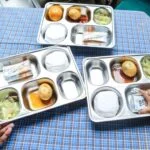
Government Develops Local Production Centers to Support Free Nutritious Meals Program (MBG)

Maluku – The Indonesian government continues to demonstrate its commitment to realizing the Free Nutritious Meals (MBG) program for students across the country by developing local production centers in various regions. This effort not only aims to ensure an adequate and high-quality supply of nutritious food but also serves as a strategy to empower the local economy and strengthen national food security.
The MBG program, a national priority initiative launched by President Prabowo Subianto, has become a key focus for the leadership of Maluku Governor Hendrik Lewerissa and Vice Governor Abdullah Vanath. The Maluku Provincial Government is intensifying coordination and infrastructure preparedness to support the program’s implementation.
The Provincial Government’s spokesperson, Kasrul Selang, outlined the strategic steps being taken, reaffirming Governor Hendrik Lewerissa’s strong commitment to ensuring the MBG program operates effectively across the region.
According to the spokesperson, the Governor expressed appreciation and gratitude to all district and city governments that have either granted or lent land for the construction of MBG kitchens—now referred to as Nutrition Fulfillment Service Units (SPPG). These plots will be submitted to the National Nutrition Agency (BGN) for verification and official designation as SPPG locations.
“As of now, we have 21 SPPG units spread across 11 districts and cities. For 11 additional MBG kitchens, we are only waiting for one final land certificate from South Buru Regency. Once received, it will be sent immediately to BGN for processing,” said Kasrul.
Governor Lewerissa has also prepared logistics and facilities to welcome 70 BGN personnel who will be stationed in Maluku. The BGN office will be provided by the provincial government, with a proposed location in either the Hygienic Market area or Karang Panjang, Ambon City.
“This is a major program, and we must ensure its success. The Governor has prepared everything, including supporting facilities and infrastructure readiness,” Kasrul added.
On another front, the Governor emphasized the need to avoid monopolies in food distribution or any supply crisis that could lead to inflation. Currently, Maluku is estimated to require meal services for around 540,000 students. With a projected cost of IDR 15,000 per student per day, the annual cash flow could reach trillions of rupiah.
“This is why the Governor has instructed the Agriculture Office and other relevant agencies to immediately identify and establish local production centers. There must be clarity and distribution plans for egg, meat, and horticulture production,” Kasrul explained.
He also stressed the importance of preventing traditional markets from running out of stock due to overconsumption by SPPG. Therefore, the goal is to build a strong and self-sustaining local system.
The development of local production centers not only supports the logistical needs of the MBG program but also acts as a catalyst for transforming village economies through food resilience and community self-reliance.
