

By: Silvia AP
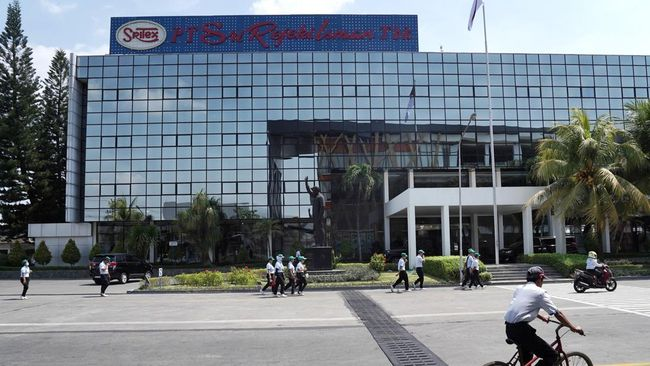
Amid the challenging dynamics of the global economy, the Indonesian government’s strategic move to encourage investors to take over PT Sri Rejeki Isman Tbk, better known as Sritex, has brought a breath of fresh air to the national textile industry. Once a dominant textile exporter in Southeast Asia, Sritex has faced difficult years due to financial pressures and mounting debt. However, with the arrival of new capital, hopes for Sritex’s revival and the revitalization of Indonesia’s textile sector are once again on the horizon.
This takeover is not merely a change in share ownership or a financial restructuring. Behind the transaction lies a strong sense of optimism that Sritex can reclaim its position as a key player in the textile industry. The incoming investors bring a new vision, a focused restructuring strategy, and sufficient resources to fully restore the company’s operations. This is a promising sign for the thousands of workers whose livelihoods depend on the company’s continuity.
Central Java Governor Ahmad Luthfi confirmed that around 10,000 former employees who were previously laid off will be able to return to work soon. He also stated that the issues that had previously hindered Sritex’s operations have now been resolved and that the takeover process is in its final stages.
For years, Sritex was known as an integrated textile company managing the entire production chain—from yarn spinning, fabric weaving, dyeing, to garment manufacturing. This vertical business model once made Sritex a symbol of efficient production and export competitiveness. However, over time, external challenges such as fluctuating raw material prices, rising energy costs, and shifts in global consumption trends placed the company under immense pressure.
Due to prolonged financial distress, Sritex entered the Suspension of Debt Payment Obligations (PKPU) process. This created uncertainty for all stakeholders, from creditors to employees. In such a situation, the entry of new investors marks a critical turning point.
Moreover, this takeover demonstrates that Indonesia’s manufacturing sector—textiles included—still holds significant appeal to investors. Despite fierce global competition, especially from countries like China, India, and Bangladesh, Indonesia maintains competitive advantages in its workforce, natural resources, and large domestic market. With the right strategy, the national textile industry could once again become a backbone of non-oil exports and a major contributor to foreign exchange.
Support for Sritex’s recovery also comes from the government. Minister of Manpower Prof. Yassierli noted positive developments in the company’s recovery process. He believes Sritex’s assets remain highly valuable and that the textile market is still wide open. The government, therefore, hopes the company’s production activities can resume soon.
Expectations are also high in terms of employment. Workers who previously faced job insecurity now have a brighter future ahead. A financially healthy company is better positioned to offer job security, improved welfare, and a more conducive work environment. Additionally, retraining programs, upskilling, and the integration of new technologies into production are expected to open up more and better-quality job opportunities in the future.
The investor takeover signals that Indonesia’s textile industry is not finished—in fact, it may be entering a new and more progressive phase. The decision affirms that with the right approach, strong commitment, and well-measured strategies, even struggling companies can rise again. Furthermore, the success of this process will serve as an important lesson for other companies in the same sector: that transformation and innovation are key to surviving today’s pressures.
Government involvement will also be a crucial factor in ensuring the success of this revitalization. A supportive industrial policy, easier access to financing, and improved logistics infrastructure will enhance the competitiveness of the textile sector. On the other hand, strict enforcement of labor standards and environmental protection must remain a state responsibility to ensure that the industry’s revival does not compromise social values.
Sri Saptono Basuki, Deputy Secretary of the Indonesian Employers Association (Apindo) in Solo, Central Java, hopes that the plan to resume operations at Sritex under the new investor can be realized quickly. He also urged the Sukoharjo Regency Government to support and facilitate the execution of this plan.
For workers, Sritex’s return to growth is long-awaited news. After years of uncertainty, they now have new hope of returning to work in a system that is more stable, humane, and sustainable. In a broader context, this is not just about one company’s revival—it reflects the true potential of Indonesia’s textile industry.
*) The writer is a member of the editorial team at Lembaga Pers Mahasiswa (LPM) Ideas.
