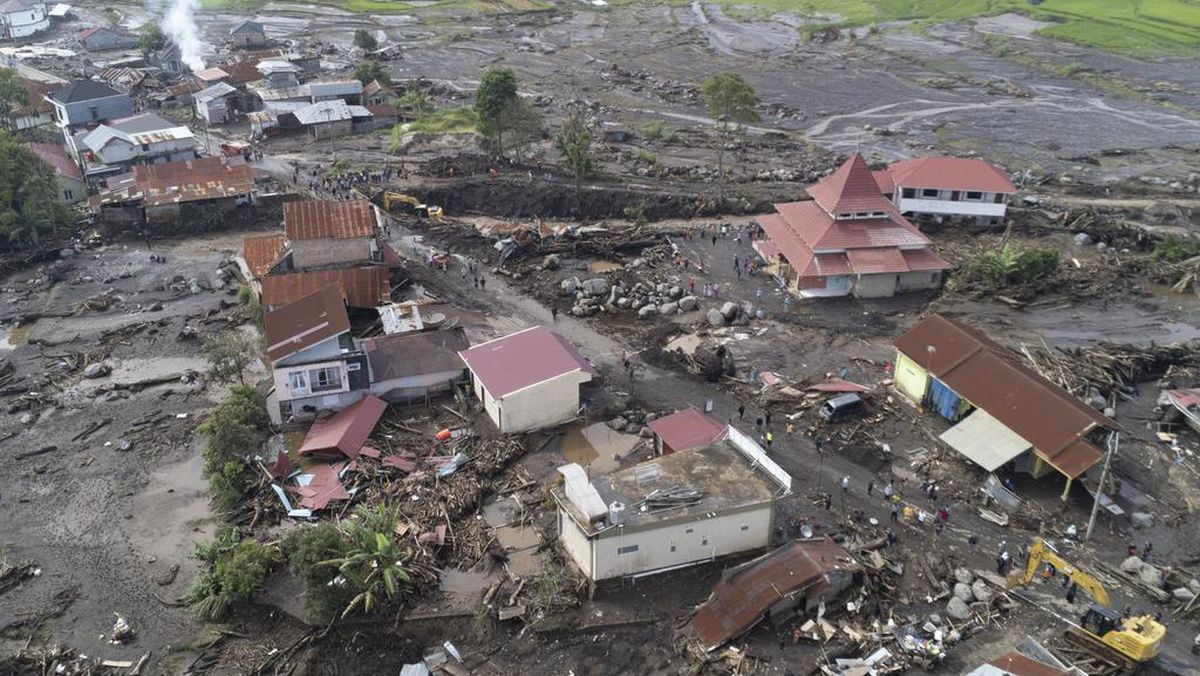

Jakarta — The government continues to strengthen the state’s presence in post-disaster recovery efforts across Sumatra by expanding trauma healing services for affected communities.
Through the Ministry of Population and Family Development (Kemendukbangga)/the National Population and Family Planning Board (BKKBN), the government has continued to provide family planning contraceptive services while also addressing trauma among flood victims in Sumatra, including those still living in evacuation shelters.
The main focus of the response is the protection of families, particularly vulnerable groups, to ensure they remain safe and protected amid crisis conditions. Minister of Population and Family Development/Head of BKKBN Wihaji stated that the ministry has deployed family planning counselors as well as members of the Generation with a Plan (Generasi Berencana/Genre) program to deliver trauma healing assistance.
“In its implementation, we have mobilized family planning counselors, Genre youth volunteers, and worked in collaboration with psychologists,” he said in an official statement in Jakarta.
Trauma healing activities are carried out at evacuation posts through educational sessions, mentoring, and mental resilience strengthening. Through the Genre program, trauma healing services have so far reached 1,686 adolescents, consisting of 500 in Aceh, 722 in North Sumatra, and 464 in West Sumatra.
These efforts are part of a comprehensive disaster response that does not only focus on physical recovery and infrastructure rebuilding, but also prioritizes the mental health and psychosocial well-being of disaster victims.
Vice Chair of the Indonesian Child Protection Commission (KPAI), Jasra Putra, emphasized that children’s mental rehabilitation must be a top priority so that the traumatic impact of disasters does not hinder their cognitive and emotional development in the future.
“Physical injuries are visible, but psychological wounds require a much longer healing process. We do not want to merely rebuild collapsed buildings, but also to rebuild the souls of children so they can grow resilient,” Jasra said.
In addition, KPAI has called for strengthening community-based security by involving the police, the Indonesian National Armed Forces (TNI), and civil society organizations experienced in child protection to conduct monitoring in evacuation areas.
“Firm law enforcement is crucial. Cases of sexual violence against children must not be resolved through informal or familial settlements. Religious and traditional leaders need to be involved to ensure justice and the protection of children’s rights,” Jasra stressed.
KPAI also urged the National Disaster Management Agency (BNPB), regional disaster management agencies (BPBD), and local governments to ensure that psychosocial service posts remain active in every temporary shelter. The presence of these services is considered a key indicator of successful post-ecological disaster recovery in Aceh and Sumatra.
“Law enforcement against ecological crimes in Sumatra and Aceh is essential so that parents can feel secure and the future of children is protected,” he concluded.*
