

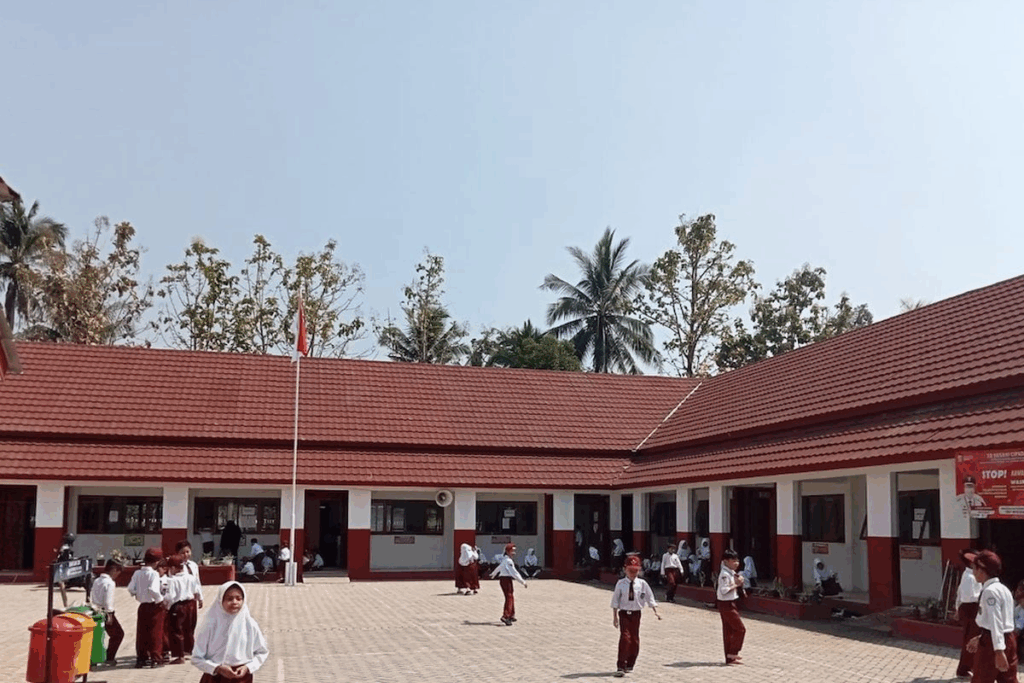
Jakarta – The government continues to demonstrate its commitment to expanding access to education for the poor and extremely poor. One concrete step currently being promoted is the increase in the capacity of Sekolah Rakyat (People’s Schools), an inclusive education initiative designed to reach students from the lowest economic groups.
Social Affairs Minister Saifullah Yusuf, commonly known as Gus Ipul, stated that President Prabowo Subianto had directly instructed that Sekolah Rakyat be able to accommodate as many students from poor families as possible. According to him, this directive serves as a strong foundation to accelerate the expansion and strengthening of the Sekolah Rakyat system in various regions.
“We must go all out; we cannot do this halfway. Many of our brothers and sisters from the lowest income groups are hoping to attend Sekolah Rakyat. If we can maximize (student capacity), then we must,” said Gus Ipul.
He emphasized the importance of a specific strategy and breakthrough to optimally reach the target student enrollment. One of the key measures is the optimization of locations and the number of learning groups (rombel) that each school unit can accommodate.
“Accelerating the expansion is crucial. We not only need numbers but also speed in the expansion. The government is here to meet the public’s need for decent basic education,” added Gus Ipul.
To date, the Ministry of Social Affairs has verified 65 locations for Sekolah Rakyat in various regions. However, this number is projected to continue increasing.
Head of the General Bureau at the Ministry of Social Affairs, Salahudin Yahya, mentioned that the number of locations is expected to reach 100 by the end of the second quarter of this year. With this achievement, Sekolah Rakyat is targeted to accommodate up to 10,000 students. He also noted that local government support is a key factor in accelerating the realization of this target.
“Through intensification, one location can increase from two rombel to four, depending on the building’s capacity,” said Salahudin.
While increasing the quantity, the quality of education at Sekolah Rakyat is also being closely monitored. Acting Head of the Curriculum and Assessment Standards Agency (BSKAP) at the Ministry of Education, Toni Toharudin, stated that the Ministry of Education is currently developing a special curriculum for Sekolah Rakyat.
“In the future, students will be able to attend Sekolah Rakyat for free and with quality education. So, we will support the development of the curriculum,” said Toni.
According to him, the curriculum will be an adaptation of the National Curriculum, which will then be developed further into a National Plus Curriculum. The Sekolah Rakyat Formation Team mentioned that this approach will adopt best practices from excellent educational models such as the Garuda Excellence Schools.
“The ‘Plus’ part will be like the Garuda Excellence Schools. That means, although aimed at the poor, its quality will not be compromised,” Toni emphasized.
These strategic steps by the government have received praise from various circles, especially education observers and social activists. Sekolah Rakyat is seen as an answer to the challenge of educational inequality, particularly in remote areas and marginalized communities.
This initiative also aligns with the national priority of developing superior human resources. With cross-ministerial synergy and support from all stakeholders, Sekolah Rakyat is expected to become a symbol of the state’s presence in providing equal educational rights for all children of the nation.
“This is not just a social program, but a significant investment in Indonesia’s future. When children from poor families receive quality education, we are building the foundation of a more just and competitive nation,” concluded Gus Ipul. **
