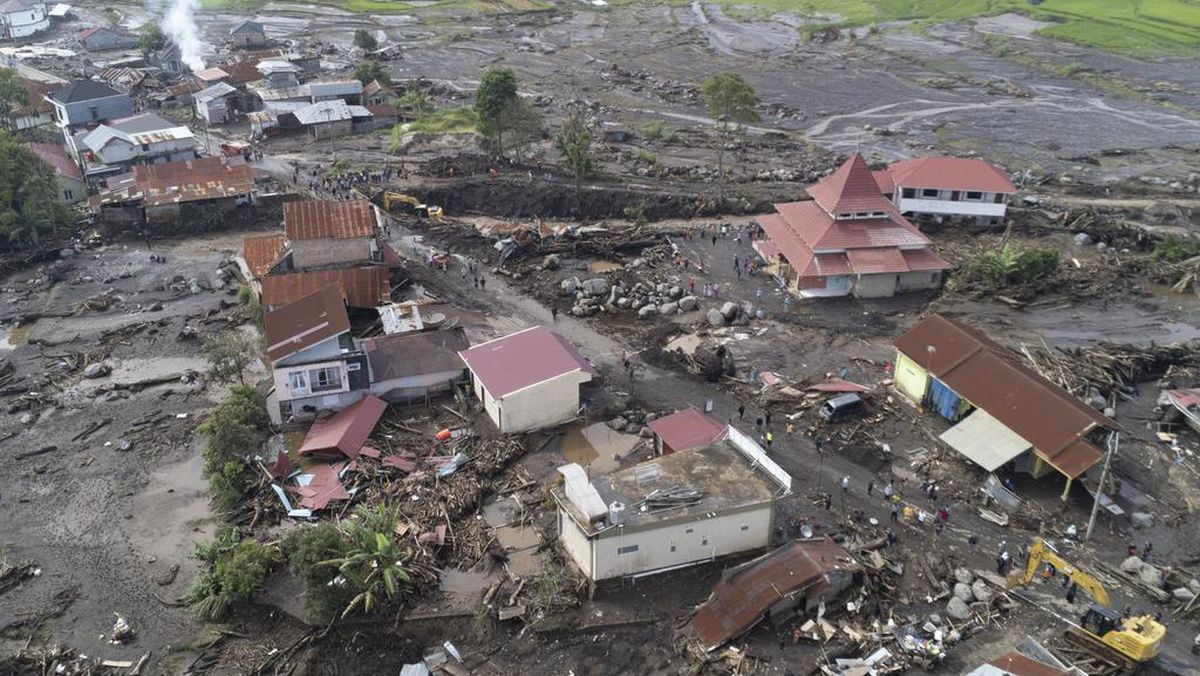

Aceh – The government, together with various stakeholders, continues to intensify psychosocial recovery efforts for children in post-disaster shelters across Sumatra and Aceh. This response is considered crucial, as children make up around 36 percent of the total displaced population, meaning recovery must go beyond the provision of logistical aid alone.
The Indonesian Child Protection Commission (KPAI) emphasized that children’s mental and social rehabilitation must be a top priority in post-disaster response. KPAI Vice Chair Jasra Putra noted that untreated trauma could hinder children’s cognitive and emotional development in the long term.
“Physical injuries are visible, but psychological wounds take much longer to heal. We do not want to merely rebuild collapsed buildings; we also want to rebuild the souls of children so they can grow resilient,” Jasra said.
KPAI has urged the implementation of three main pillars for child trauma recovery in affected areas. The first pillar is resilience-based trauma healing through ecological approaches, or eco-healing. This method integrates play activities with climate change education and environmental awareness through the concept of circular recovery. Children are encouraged to transform disaster debris into artwork or school facilities, while fostering a narrative that they are “environmental heroes,” not merely victims. “We want children to understand that protecting forests and ecosystems is part of safeguarding their own future,” he explained.
This approach also incorporates local wisdom by involving traditional leaders such as Ninik Mamak in West Sumatra and Tuha Peuet in Aceh.
The second pillar is the creation of a sense of security. KPAI stressed that children’s fear of rain and the possibility of recurring floods must be addressed through disaster mitigation education in schools, emergency tents, and temporary shelters.
“The Meteorology, Climatology, and Geophysics Agency (BMKG) still predicts the potential recurrence of extreme weather conditions. If trauma is not properly managed, the impact on children’s development could be permanent,” he said.
The third pillar focuses on child protection emergencies through the reactivation of integrated referral systems. Prolonged displacement increases the risk of violence, including sexual violence. Therefore, KPAI has called for strengthening the role of Integrated Service Units for the Protection of Women and Children (UPTD PPA), community health centers (puskesmas), posyandu, as well as community-based monitoring involving the police, the Indonesian National Armed Forces (TNI), and civil society organizations.
“Firm law enforcement is essential. Cases of sexual violence against children must not be resolved through informal or familial settlements,” Jasra asserted.
On the ground, trauma healing initiatives are also being carried out by humanitarian organizations. In Aceh Tamiang Regency, Ar Rahman Qur’anic Learning (AQL) Laznas Peduli, in collaboration with the Bekasi Islamic Community Forum (FUIB) and the Indonesian Middle East Alumni Network (JATTI), organized psychosocial services for children alongside free medical treatment. The coordinator of the AQL Laznas Peduli Aceh Tamiang post, Novita Mariana, said the activities were centered in Kampung Kota Lintang.
“Today we are holding free medical services and psychosocial activities for children. We started at 9 a.m. and it is now approaching midday,” Novita said.
Trauma healing activities included drawing, singing, and the Indonesia Writes the Quran program ahead of Ramadan 2026, involving around 100 children. “We are trying to accompany the children here so they do not feel alone,” she added.
In addition, free medical services reached around 50 adult patients, accompanied by the distribution of logistical aid, clean water, the construction of a mushola, the Meugang tradition, alternative health services, and the distribution of worship equipment and solar-powered lamps.
KPAI has called on the National Disaster Management Agency (BNPB), Regional Disaster Management Agencies (BPBD), and local governments to ensure that psychosocial service posts remain active in every temporary shelter as a key indicator of successful post-disaster recovery. “Law enforcement against ecological crimes in Sumatra and Aceh is essential so parents can feel secure and the future of children is protected,” Jasra concluded.
