
*) By: Frizka Amanda
The government has officially launched a new subsidized housing program shortly after President Prabowo Subianto delivered his state address before the House of Representatives (DPR) and the Regional Representative Council (DPD). This initiative is part of the government’s commitment to improving public welfare through the provision of decent housing, particularly for low-income communities. In his speech, the President emphasized the importance of equitable development and access to basic needs, including affordable and adequate housing.
The program is designed to address the needs of millions of families who still do not own homes. According to the latest data released by the Ministry of Housing and Settlements (PKP), Indonesia’s housing backlog remains high, with millions of households living in inadequate shelters or relying on shared accommodations. The government recognizes that without concrete support, homeownership will remain an unattainable dream for much of the lower-middle-income population.
Deputy Minister of PKP, Fahri Hamzah, announced that the subsidized housing program will be launched this coming September. Implementation can only begin once the 2026 State Budget (APBN) fully accommodates all of President Prabowo Subianto’s programs.
The subsidy scheme covers several types of assistance, including mortgage interest subsidies, down payment support, and reduced administrative costs. With this aid, citizens will be able to purchase homes with lighter installments and longer repayment periods. The government is also collaborating with partner banks and local developers to ensure that the application process and construction run swiftly and transparently.
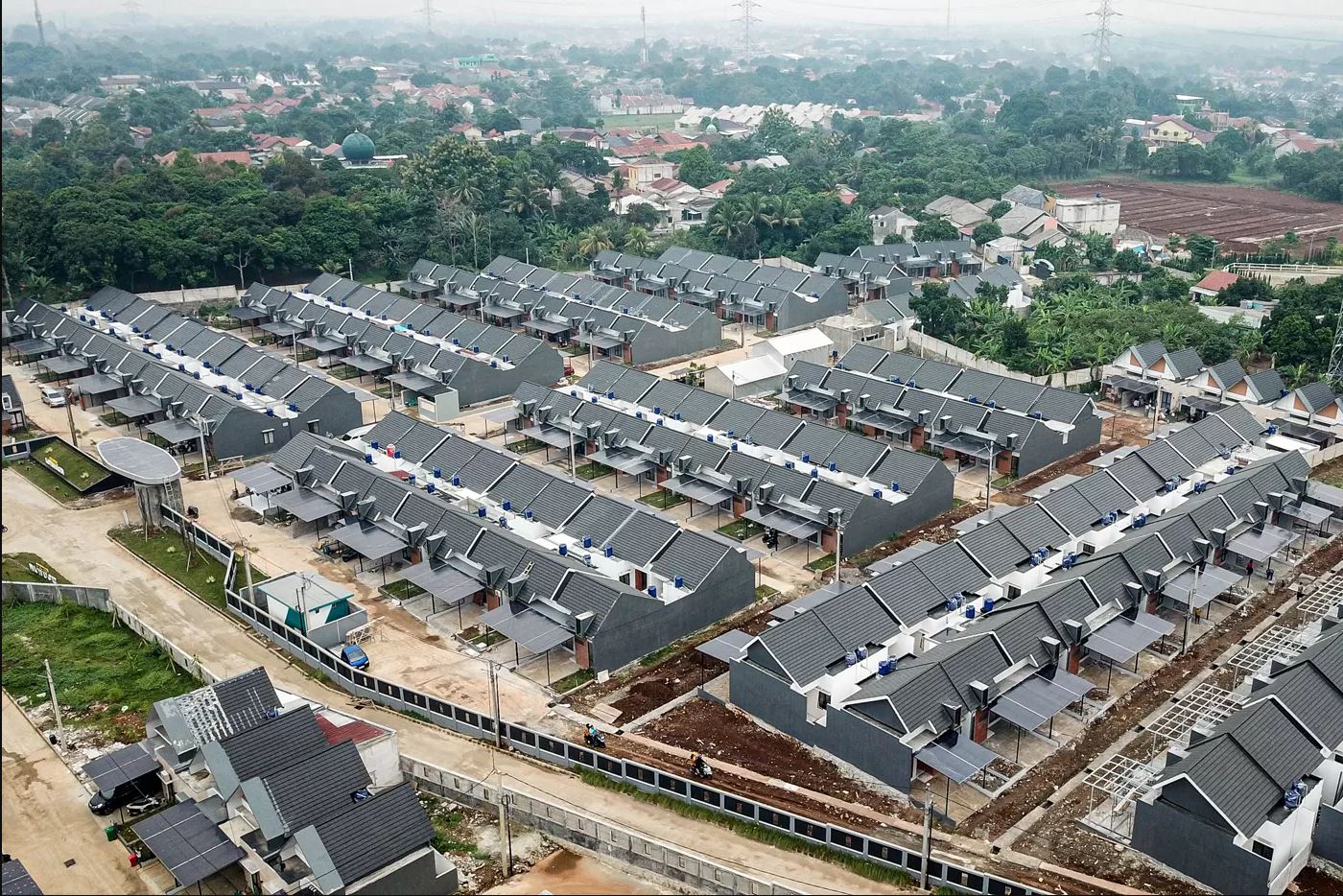
Interestingly, the subsidized housing projects will be located in strategic areas outside major cities, such as the outskirts of Greater Jakarta (Jabodetabek), Central Java, Sumatra, Kalimantan, and Sulawesi. The government guarantees that these housing complexes will be built close to public facilities such as schools, health centers, places of worship, and public transportation access. This ensures that residents can remain productive even while living in supporting urban zones.
Minister of PKP, Maruarar Sirait, stated that the subsidized housing project will be carried out in stages. Beyond physical development, the government will also provide social support for residents, including small-scale entrepreneurship training and community development programs. These efforts aim to create self-sufficient and harmonious living environments.
The program has received positive responses from various stakeholders. The Rector of Parahyangan Catholic University (UNPAR), Prof. Ir. Tri Basuki Joewono, said that the initiative would greatly assist citizens in obtaining proper housing without being burdened by excessive costs. This step demonstrates that housing remains a central focus in national development. Through this subsidy program, the government hopes to narrow social gaps and improve citizens’ quality of life. Decent and affordable housing is not merely a shelter, but also a vital foundation for creating a more stable, healthy, and productive society. In the long run, this initiative is expected to strengthen Indonesia’s overall socio-economic structure.
The launch of this subsidized housing program is not only a response to urgent public needs but also reflects the government’s seriousness in building a better foundation for citizens’ lives. By providing access to affordable housing, the government helps reduce the financial burdens of households while opening opportunities for them to focus more on improving their quality of life and family welfare. A home is not only a place to live but also a symbol of security and future stability.
Going forward, the success of this program will depend heavily on synergy among the central government, local governments, developers, and the community itself. Collective commitment to maintaining construction quality, ensuring transparency in aid distribution, and fostering care for social environments will be key to ensuring the program delivers real change. It is hoped that this step will serve as the starting point for long-term transformation in creating a more inclusive and equitable national housing system.
Beyond the direct benefits for recipients, the subsidized housing program is also expected to generate a positive domino effect on other sectors, including construction, labor, and the local building materials industry. Increased development activity will create new jobs and stimulate economic circulation in various regions. This highlights that investment in the housing sector not only benefits individuals but also drives broader and more equitable national economic growth.
With all its opportunities and challenges, the public is encouraged to actively monitor and safeguard the sustainability of this program. Public participation—in the form of feedback, oversight, and social care for fellow citizens—will be essential to the program’s success in practice. Ultimately, the subsidized housing program is not just about owning a house, but about building a fairer and more inclusive future for all Indonesians.
*) The author is a postgraduate student at Darma Persada University, Jakarta
