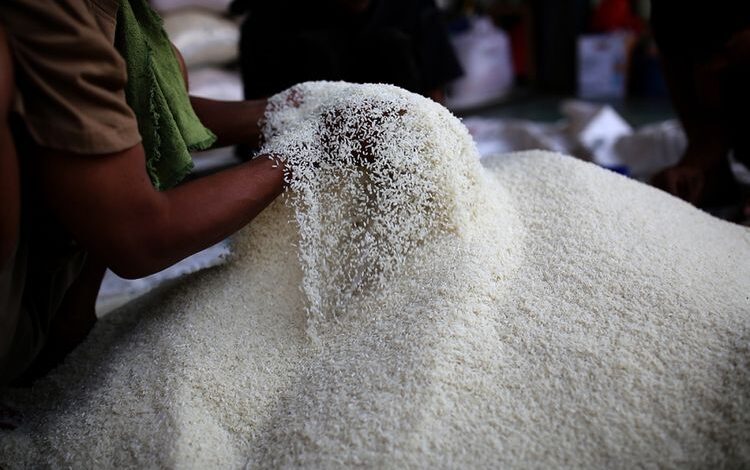

Jakarta – Minister of Agriculture Andi Amran Sulaiman emphasized that the government is taking swift action to maintain the stability of national rice stock and prices by intensifying large-scale market operations. This move comes in response to the ongoing surge in rice prices over the past few weeks.
“We have ample stock, which is why we’re conducting large-scale market operations,” said Amran after a closed meeting with President Prabowo Subianto and several Cabinet members at the Presidential Palace in Jakarta.
Amran explained that, according to data from the Central Statistics Agency (BPS), rice stock as of July 2025 reached 4.2 million tons. This stock level allows for direct intervention through the Price and Supply Stabilization Program (SPHP) and social assistance programs.
“By the end of the year, our stock will be at least 2.5 to 3 million tons. That’s a high figure, which means our food security is safe,” he stated.
A total of 1.3 million tons of rice will be distributed through the SPHP program, and another 365 tons through social assistance. Amran assured that all stock will be efficiently distributed to the public to safeguard purchasing power and prevent further price spikes.
“We’re not just maintaining supply but also ensuring prices remain affordable for the general public,” he added.
Additional stock is being secured through agricultural intensification and extensification programs in strategic areas such as Merauke, South Papua, South Kalimantan, Central Kalimantan, and South Sumatra.
“We’re developing new rice fields and improving irrigation to boost productivity. This is our long-term strategy to secure national rice availability,” said Amran.
Beyoand ensuring supply and price stability, the government is also strengthening rice distribution oversight to prevent fraud and quality manipulation.
Efforts are ongoing to crack down on blended rice falsely marketed as medium or even premium rice. According to government regulations, premium rice may contain only up to 15% broken grains, while medium rice can contain up to 25%.
“From the inspection of 268 brands, 212 brands did not meet government standards. Some had broken grain levels of 30%, 35%, 40%, even up to 50%,” Amran revealed.
Field findings indicate many products far exceed these limits yet are still sold at premium prices. The Ministry of Agriculture has reported these findings to law enforcement authorities, who are now following up in accordance with applicable regulations.
“Law enforcement is taking action against all violations. Follow-up inspections by the National Police and Attorney General’s Office confirmed the same findings,” he concluded.
