
By: Helmi Alfian *)
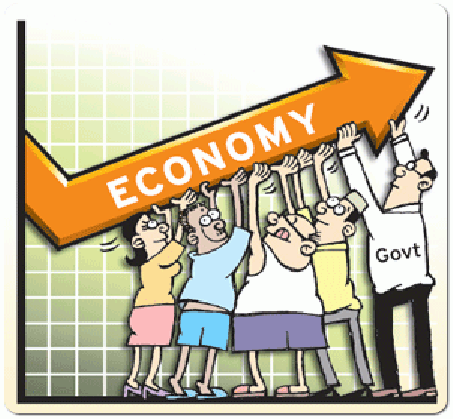
The government has signaled strong optimism in maintaining national economic stability amid global uncertainty by launching five economic stimulus programs in mid-June 2025. This move is not only a response to the global economic slowdown and geopolitical tensions but also a proactive strategy to safeguard public purchasing power, boost domestic consumption, and ensure economic growth stays on a positive trajectory.
This policy reaffirms the government’s presence and readiness to respond to modern challenges—not just through rhetoric, but with concrete and measurable programs. By designing a comprehensive stimulus package that includes social assistance, business sector support, and the strengthening of strategic industries, the government aims to ensure that economic recovery is not temporary, but serves as the foundation for inclusive and sustainable growth in the future.
Coordinating Minister for Economic Affairs, Airlangga Hartarto, explained that the government launched five stimulus packages in mid-June 2025, coinciding with the school holiday season. This initiative is expected to drive national economic growth in the second quarter of the year. The five programs include: Transportation Discounts (Rp 0.94 trillion from the State Budget), Toll Fee Discounts (Rp 0.65 trillion, non-State Budget), Increased Social Assistance (Rp 11.93 trillion from the State Budget), Wage Subsidy Assistance (Rp 10.72 trillion from the State Budget), and an Extension of Work Accident Insurance Contribution Discounts (Rp 0.2 trillion, non-State Budget). Each program is designed to complement one another and generate a multiplier effect on economic activity, both in the real and fiscal sectors. The social assistance program, for instance, aims to cushion the impact of rising prices of basic necessities.
This combination of State Budget and non-State Budget policies illustrates that the government is utilizing all available fiscal instruments and cross-sectoral coordination effectively to ensure that the stimulus delivers tangible impacts in boosting national economic growth in Q2 of 2025.
Finance Minister Sri Mulyani stated that the launch of the stimulus coincided with the disbursement of the 13th-month salary for civil servants and retirees, which is also expected to drive national consumption. The government is targeting second-quarter growth to remain at around 5%. This stimulus is considered crucial for maintaining the momentum of national economic recovery after the pandemic and facing ongoing global economic challenges. Beyond being a response to global economic turbulence, the stimulus is also positioned as a catalyst to accelerate national recovery, ensuring that the growth momentum established since 2023 is not derailed by sustained external pressures.
The government’s target of maintaining Q2 economic growth at around 5% also indicates that its policies remain optimistic yet based on careful calculation. The government is no longer just reacting to crises, but has transformed into a proactive agent anticipating and driving change.
This stimulus package has received positive responses from various stakeholders. Member of Commission XI of the House of Representatives (DPR RI) from the National Awakening Party (PKB), Bertu Merlas, stated that the policy shows the government’s seriousness in preserving domestic growth momentum. However, the success of the stimulus heavily depends on effective implementation on the ground and coordination among ministries and relevant agencies. Transparency, oversight, and speed of distribution will be key to ensuring that the benefits are truly felt by the people.
With the rollout of these five stimulus programs, the government hopes that Indonesia’s economy can grow above 5.2% by the end of 2025, in line with projections set out in the National Medium-Term Development Plan (RPJMN). Amid global tensions such as the geopolitical conflicts in the Middle East and declining global demand, strengthening the domestic economy becomes all the more crucial. This optimism reflects the belief that through mutual cooperation between the government, business community, and society, Indonesia can not only withstand but emerge stronger in the face of global challenges.
In the midst of global uncertainty, the government is focusing not only on macroeconomic growth figures, but also on addressing the real needs of the people through policies that directly impact daily life. From support for household consumption and MSMEs, to incentives for strategic industries, all initiatives are geared toward ensuring that the recovery is equitable and sustainable.
With synergy among ministries and agencies, and the active support of all elements of society, this stimulus is expected to serve as an effective lever for the national economy. The government’s optimism is not without basis—it is built upon a series of concrete steps, measurable data, and a spirit of collective effort. If all parties take on a constructive role, these five programs will not only provide short-term solutions but also lay a strong foundation for Indonesia to move forward toward a more stable, inclusive, and competitive future.
*) The writer is an economic observer.
