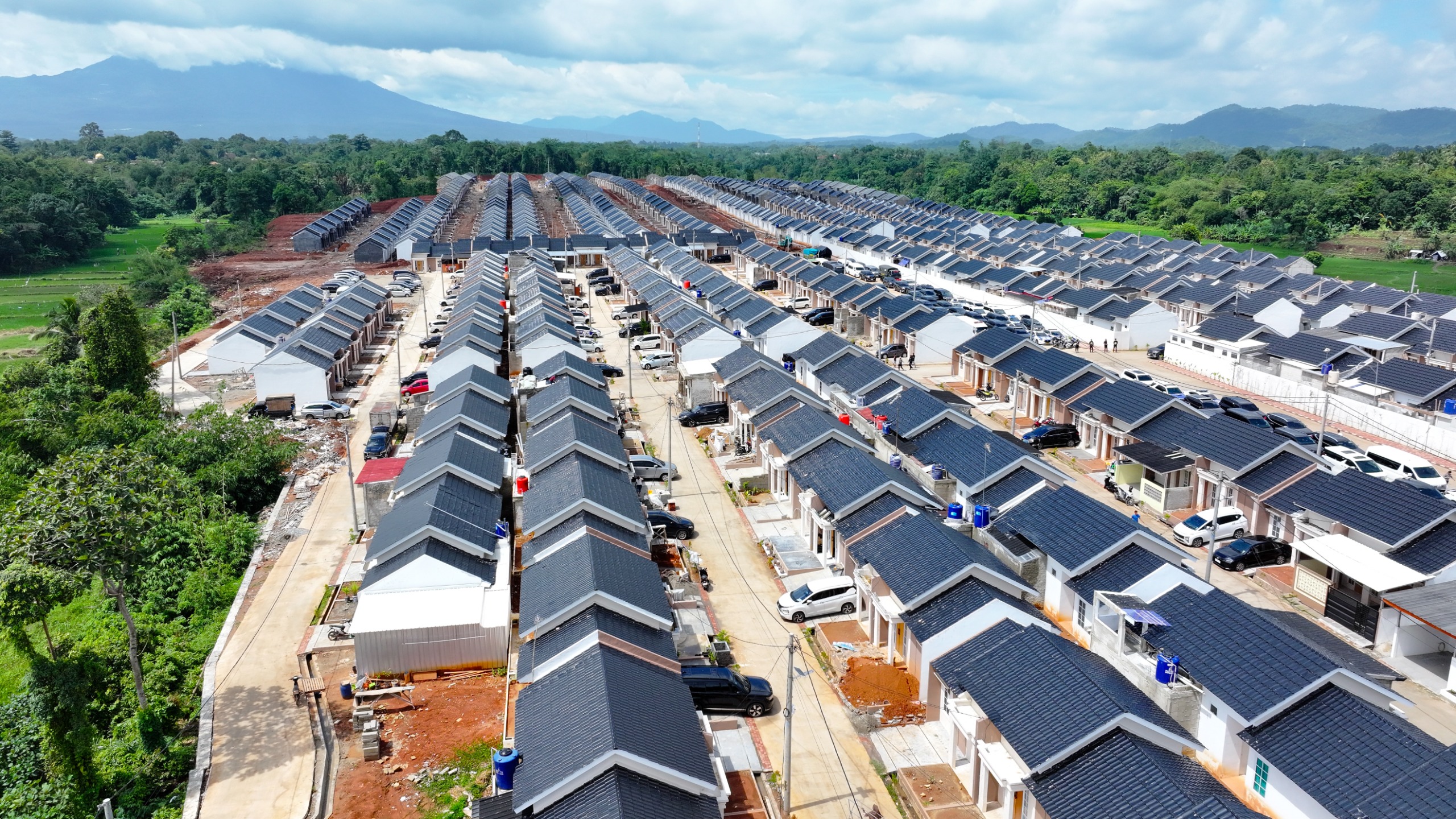
Hundreds of subsidized flats targeted for completion, government focuses on acceleration by 2026

By: Didi Sudibyo )*
The government has reaffirmed its commitment to addressing the housing needs of low-income communities by targeting the completion of hundreds of subsidized apartments by 2026, a step deemed crucial for reducing the housing backlog in urban areas and strengthening equitable access to adequate housing. This ambitious target is not merely a promise of numbers; it is accompanied by efforts to improve regulations, strengthen cross-sector collaboration, and adjust financing schemes to make them more realistic and sustainable.
The Ministry of Housing and Settlements (PKP) stated that the construction of hundreds of subsidized apartments has become a top government priority for 2026. This development must be ensured to proceed according to plan and not simply become an annual discourse. The government is committed to ensuring that subsidized apartments are actually built and can be used by the community, especially in urban areas with limited land. In various coordination forums, the Ministry of PKP continues to push for acceleration to ensure this program is not hampered by technical or regulatory issues.
In addition to focusing on physical development, the government is also finalizing regulations governing subsidized apartments. The regulatory drafting process is being conducted intensively, involving various stakeholders, from developers and banks to prospective tenants. This inclusive approach is chosen to ensure that the resulting policies are impartial and address real-world needs. Maruarar Sirait believes that the success of the subsidized apartment program is determined not only by the government but also by the synergy of all parties involved in the housing ecosystem.
The development of regulations for subsidized flats must simultaneously consider three primary interests: the interests of the people as beneficiaries, the state’s interest in maintaining fiscal sustainability and governance, and the interests of the business community to ensure development remains economically attractive. He emphasized that for the first time, the government has seriously involved developer associations, banks affiliated with the Association of State-Owned Banks, and representatives or associations of flat and subsidized housing residents. This step is seen as an effort to build fairer and more transparent governance in the housing sector.
The Ministry of PKP is also targeting the issuance of a ministerial decree regarding subsidized apartments in January 2026. This regulation will serve as a crucial legal umbrella governing various aspects, from technical provisions for apartments, loan interest schemes, financing terms, and price adjustments. Sri Haryati, Director General of Urban Housing at the Ministry of PKP, stated that the regulation’s drafting process has entered its final stages and is likely to be published ahead of schedule.
One of the key points in the ministerial decision is the adjustment of subsidized apartment prices, which have been deemed to not reflect the actual cost of construction. Previous prices have not been adequately adjusted, potentially discouraging developer interest and delaying the provision of subsidized vertical housing. Therefore, the government is attempting to recalibrate prices to better balance public purchasing power and development sustainability.
During the regulation finalization process, the Ministry of PKP plans to re-invite subsidized apartment developers, banks, and other stakeholders for further discussions. These discussions aim to gather final input before the policy is officially enacted. Overall, discussions have been streamlined, although several additional rounds of discussions are needed, particularly with the banking sector and developers, to ensure the resulting scheme is truly applicable.
From a financing perspective, the Public Housing Savings Management Agency (BP Tapera) views subsidized apartments as a strategic solution to alleviate the housing backlog in urban areas. BP Tapera Commissioner Heru Pudyo Nugroho stated that accelerating apartment price adjustments is a crucial first step in implementing the Housing Financing Liquidity Facility (FLPP) scheme in vertical housing. With the introduction of the FLPP program into the apartment sector, it is hoped that low-income urban communities will have a more affordable housing alternative.
After improving the supply side of subsidized flats, the government will proceed with price adjustments per square meter and per unit. These adjustments are currently being finalized, referring to the construction cost index specifically for residential buildings released by the Central Statistics Agency. This calibration is considered crucial to ensure subsidized flat prices remain reasonable and in line with economic conditions in various regions.
BP Tapera ensures continued coordination with the Ministry of Finance and other stakeholders regarding the financing scheme. Aspects such as down payments, interest rates, repayment terms, and consumer protection are key priorities to ensure that subsidized housing financing does not burden the public. The government recognizes that the success of this program lies not only in physical construction but also in easy access to fair and sustainable financing.
Over the past year, the government has recorded a number of positive achievements in the housing and infrastructure sectors, ranging from accelerating the distribution of the Housing Financing Liquidity Facility (FLPP), improving cross-ministerial coordination, to encouraging the development of decent housing in various regions.
This success provides crucial capital for further progress in 2026, particularly in realizing subsidized apartments as a real solution for urban communities. Policy consistency and the courage to make adjustments are considered key to achieving the target of hundreds of subsidized apartments. The government and all relevant parties need to ensure that this target doesn’t remain a plan, but is actually realized as decent housing that can improve people’s quality of life while strengthening public trust in the direction of national housing policy.
)* The author is a Public Policy Observer
