
By: Ricky Rinaldi
The Free Nutritional Meals (MBG) program in Papua has expanded far beyond national policy. Today, in villages, the program has become a lifeblood, flowing through tradition, local wisdom, and the indigenous people’s love for their communities. Jayapura Regent Yunus Wonda emphasized that without the involvement of indigenous communities, the MBG would not have strong roots; the traditions of gardening, fishing, and harvesting, passed down through generations, are a vital part of the local food chain. Because of their role, the MBG not only fills stomachs but also touches the culture and hearts of the people.
The local government is currently mapping the role of indigenous communities from production to distribution to ensure that MBG becomes a regular part of community life, not a one-time program. Placing indigenous communities as the primary controllers of healthy food supply to schools strengthens their position as key actors in sustainability. This approach is designed as a long-term intervention, aligning healthy lifestyles, traditions, and the community’s values of food self-sufficiency.
Yunus Wonda emphasized that the success of the MBG requires synergy between the government, indigenous communities, education, and health. This collaboration is expected to drive tangible impacts, not just on paper, for families and children in the village. He believes that the involvement of indigenous communities will also stimulate the local economy; activities such as gardening, livestock farming, and fish farming within the MBG framework create a healthy economic flow, open new business opportunities, and strengthen village food security.
Beyond just economics, MBG also preserves indigenous culinary culture. Prioritizing local food in the daily diet, traditions, values, and distinctive flavors are passed down to the younger generation. This builds pride in indigenous identity and the foundation for a healthy and independent future.
Support for the MBG program also came from traditional leaders. Sentani traditional leader Yansen Ohee stated that Papua faces serious challenges in fulfilling nutritional needs, especially in remote areas. For him, the MBG program is a hope for parents in shaping their children’s future. He emphasized that without a healthy body, education is meaningless. Benhur Yaboisembut, Secretary of the Moy Tribe Traditional Council, stated that the MBG program is a real solution to reduce malnutrition and stunting and improve academic achievement. He sees opportunities for local economic empowerment through food supply by village farmers and fishermen, and welcomes the program with gratitude and hopes that Papuan children will grow smarter thanks to adequate nutrition.
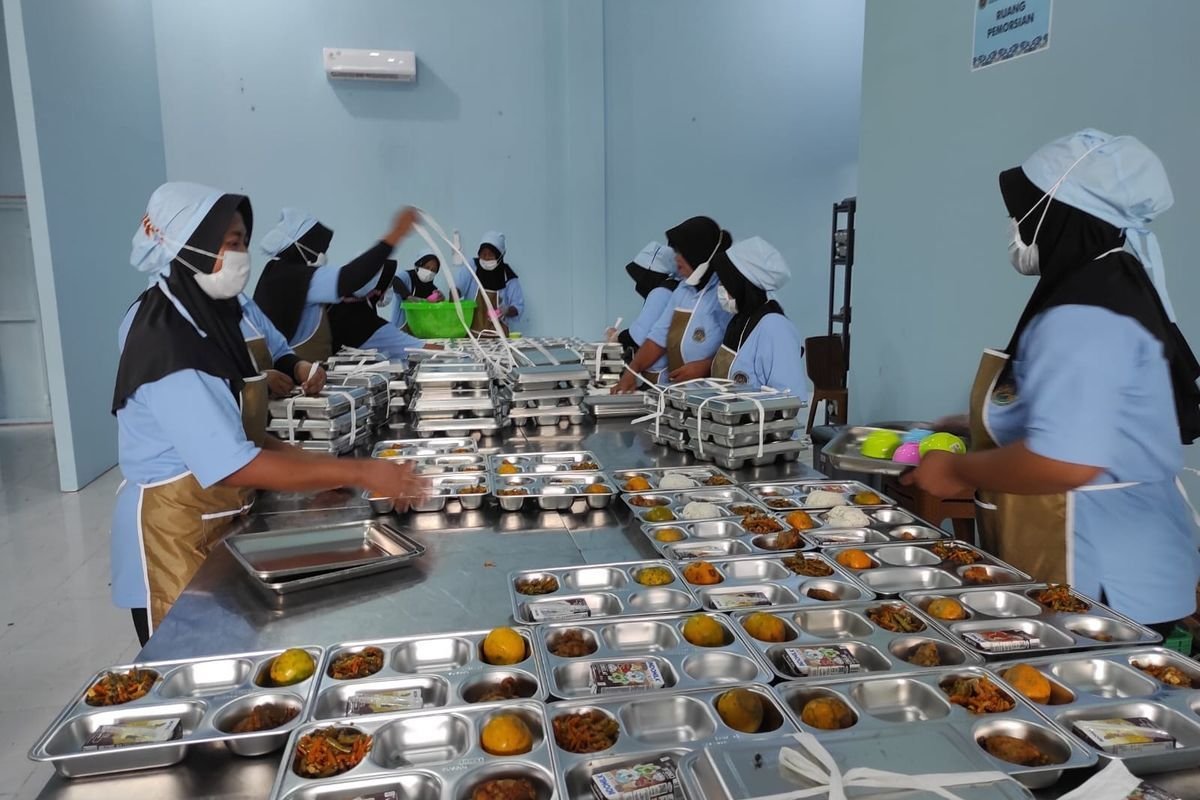
Furthermore, the National Nutrition Agency (BGN) stated that MBG is opening up opportunities for community participation in Jayapura. Bagus Septiyan, a partner for MBG Success Partners, stated that a visit to the Robhing SPPG kitchen in Sentani highlighted the importance of cleanliness, complete facilities, and kitchen waste management as a form of preparedness. He also noted the high enthusiasm of the community around Lake Sentani. BGN believes that the community-managed MBG kitchen is a sustainable strategy, in line with the President’s directive.
More broadly, the MBG has been implemented in four regions in Papua: Jayapura City, Sarmi, Yapen, and Biak. Acting Governor of Papua, Ramses Limbong, stated that the implementation is gradual, and that the need for nutrition kitchens in Jayapura City includes the construction of approximately 20 units, while only one is currently active, serving approximately 3,000–3,500 students. This highlights the logistical challenges and the importance of kitchen deployment for broader program coverage.
The MBG program in Jayapura Regency was also expanded to several schools. On April 22, 2025, the MBG program was held at Sentani 1 Public Middle School, Sentani Ria Kindergarten, and Sentani YPK Elementary School, with approximately 3,300 students enjoying a nutritious package priced at Rp20,000 per portion, which included rice, fried fish, crispy tofu, vegetables, and other side dishes. This program was implemented in stages to maintain food quality and kitchen efficiency.
The Papua Goods and Services Procurement Bureau noted that local businesses also benefit from the MBG program through e-catalog-based procurement. Bureau Head Debora Salosa encouraged indigenous Papuan businesses to actively participate in the system to keep the local economy running despite budget constraints.
More traditional leaders expressed their support. In Waropen, Wonti community leader Kaleb Woisiri called the MBG an investment in the future of Papuan children. Ismail Ulof, Chief of the Elseng Keerom Tribe, urged the implementation of the MBG in his region to ensure children remain healthy and ready to learn. Matias Manggu, Head of Senggi Village, stated his readiness to oversee the program’s success. Billy Kreuw, Chief of the Manirem Sarmi Tribe, and Adolf Wersementawar, Member of the Regional People’s Representative Council (DPRK), and Chief of the Sobey Tribe, noted that collaboration between the government and the community is key to success. In Yapen, Alex Sangganefa, Secretary General of the Yapen Traditional Council, emphasized the importance of maintaining the program’s sustainability so that its benefits are widely felt. And in Jayapura City, George Arnold Awi, Head of the Port Numbay LMA, highlighted how the MBG eases the burden on parents and provides solutions to the nutritional problems of Papuan children.
The emerging picture shows that MBG is not just a nutrition program, but also creates a mutually reinforcing ecosystem of well-being, economics, and culture. When indigenous communities become active participants, the benefits are not simply immediate but become part of a culture of healthy living embedded within the community.
Today, daily activities such as gardening, harvesting crops, and tending livestock in various villages are no longer just routine, but part of a productive movement to build the future. MBG is not just about eating today; it’s an effort to cultivate a resilient generation, strengthen local economies, and preserve cultural heritage.
*) Strategic issue observer
