Indonesia Pushes for Peace Council to Become Diplomatic Path for Full Recognition of Palestine

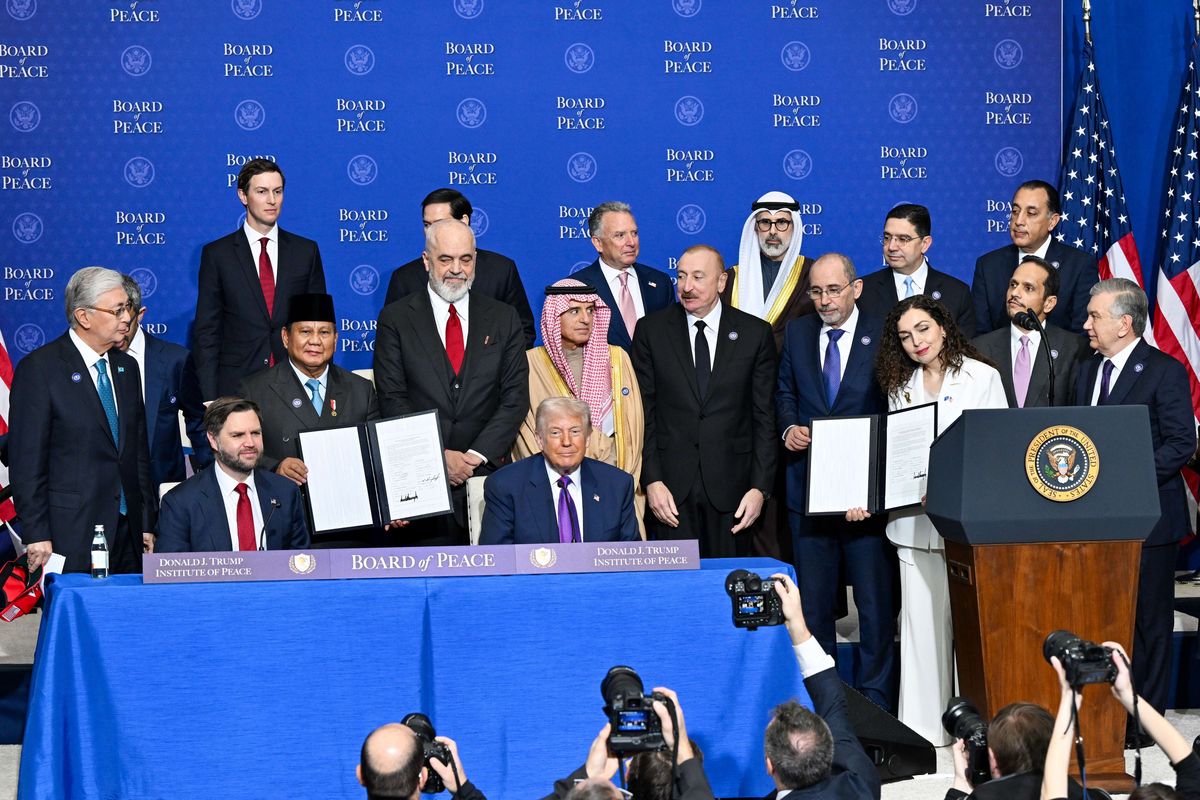
Jakarta – Indonesia is once again positioning multilateral diplomacy as a strategic avenue to push for full recognition of Palestine in international forums. Indonesia’s historical experience utilizing global mechanisms to secure sovereignty recognition serves as a crucial reference, including the Board of Peace (BoP), which has emerged as a new diplomatic channel.
Institute for Security and Strategic Studies (ISESS) Co-Founder Khairul Fahmi said that Indonesian independence was not only born from armed struggle, but also through long international diplomacy. He assessed that the recognition of Indonesian sovereignty was achieved after a global negotiation process, including through the establishment of the Committee of Good Offices on Indonesia by the UN Security Council in 1947. “In the most critical phase of the revolution, when Dutch military aggression attempted to break the existence of the republic, the international community intervened through the establishment of the Committee of Good Offices on Indonesia by the United Nations Security Council in 1947,” Khairul Fahmi said in his statement, Thursday (2/19/2026).
According to Fahmi, the Good Offices Committee provided legal space for Indonesia to be recognized as a legitimate party to the conflict, even though its membership composition was not entirely favorable to the Republic. Belgium was considered close to the Netherlands, while the United States still considered European interests, and Australia was a relatively more sympathetic party. “Indonesia did not win every detail of the negotiations. The Renville Agreement was even considered bitter. However, the Republic managed to maintain its existence until the geopolitical momentum changed,” he said.
He considered this experience relevant to the dynamics of the Peace Council, which enjoys legitimacy through UN Security Council resolutions. He argued that multilateral forums do not automatically favor the weaker party, but can serve as a bridge to the establishment of a sovereign state if they have a clear mandate and collective oversight. The Israeli-Palestinian conflict, he continued, is far more complex, involving issues of statehood, regional security, and internal political fragmentation.
In an increasingly polarized world, the Peace Board will be tested not only as a mediator but also as a guardian of the political transition toward the recognition of Palestinian sovereignty. “If the Peace Board can carry out its mandate consistently and credibly, this mechanism can be recognized as an instrument that helps pave the way for the birth of an independent Palestinian state,” said Fahmi. He added that Indonesia’s historical reflections show that global legitimacy can strengthen the struggle for independence when geopolitical momentum aligns with mature diplomatic consolidation.
