
Jakarta — The government has emphasized that industrial downstreaming is a long-term strategy to create jobs, increase added value, and strengthen national economic independence.
Synergy between the agriculture, plantation, fertilizer, and petrochemical sectors is now a priority to ensure that Indonesia’s natural resources are optimally processed domestically.
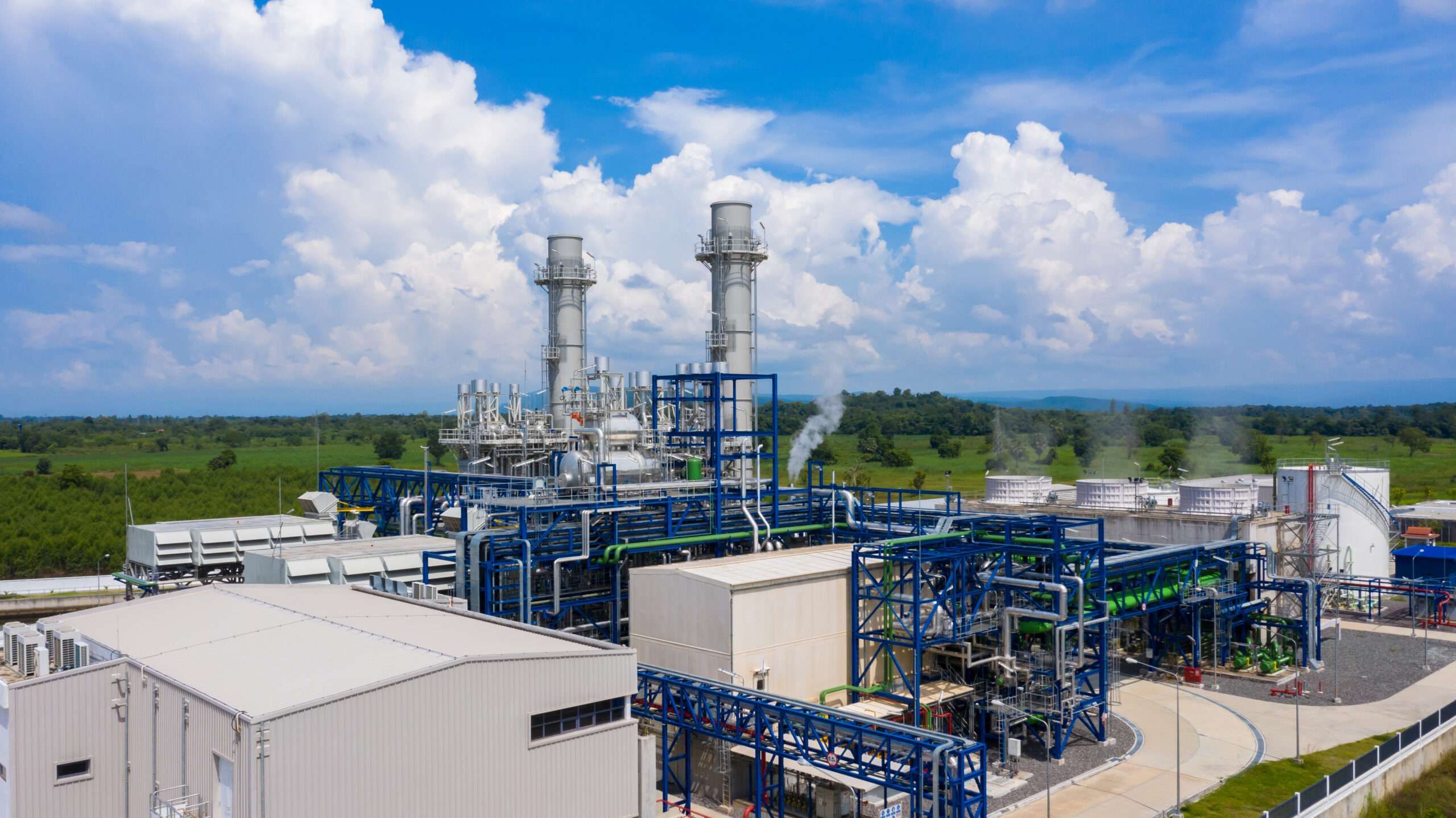
Concrete steps are evident in two major initiatives running in parallel: the operation of a modern rubber processing plant with a capacity of 2,500 tons of dry rubber per month and the continuation of the strategic partnership between PT Pupuk Indonesia (Persero) and Petronas Chemicals Group Berhad (PCG) in the fertilizer and petrochemical sectors.
The Head of the Agriculture and Plantation Service, Cut Huzaimah, emphasized that national rubber production must be processed domestically.
“Rubber production must be processed here so that the benefits directly reach the community. Exporting raw rubber only benefits others,” he said.
This rubber factory is a concrete example of how downstream processing can create added value while absorbing local labor. With modern technology, factory capacity can be increased depending on raw material availability, further integrating the rubber industry’s supply chain from upstream to downstream.
On the other hand, the President Director of Pupuk Indonesia, Rahmad Pribadi, said that the collaboration with PCG expands the synergy of the fertilizer and petrochemical industries, starting from the supply of raw materials, technology transfer, to the development of a methanol plant in Indonesia.
“This collaboration is a strategic step to strengthen the downstreaming of the national industry, ensuring efficiency, competitiveness, and sustainability,” he said.
Domestically produced methanol will reduce imports and support national energy independence, while also becoming a high-value strategic commodity. This aligns with the government’s efforts to build food security through a stable supply of fertilizers and agricultural chemicals.
Both initiatives share the same goal: to create as many job opportunities as possible for Indonesians. Downstreaming isn’t just about building factories, but also about ensuring the involvement of local businesses, SMEs, and young talent in the industrial supply chain.
The government, through relevant ministries and institutions, continues to accelerate licensing, provide investment incentives, and strengthen logistics infrastructure to support the smooth distribution of raw materials and finished products.
“Indonesia has abundant resources. The challenge is to manage them wisely, benefit the people, and ensure the long-term sustainability of the industry,” Rahmad emphasized.
With an integrated, cross-sectoral downstreaming strategy, the government is optimistic that the target of inclusive economic growth can be achieved, while strengthening Indonesia’s position in the global market.
