
By: Asep Faturahman
The Makan Bergizi Gratis (MBG) program is not only a government initiative aimed at improving the nutritional quality of Indonesian children, but it has also generated tangible economic impacts for the community. One sector that directly benefits from this program is micro, small, and medium enterprises (MSMEs). The involvement of MSMEs in supplying food ingredients to the Satuan Pelayanan Pemenuhan Gizi (SPPG) demonstrates a mutually reinforcing relationship between a government social program and local economic growth.
The presence of the MBG program opens opportunities for local business actors to participate in providing the food ingredients required daily by SPPG units. With the program’s broad scale and the large demand for food supplies, MSMEs have the opportunity to expand their markets while increasing their business capacity. This relationship creates a mutually beneficial symbiosis: the MBG program receives supply support from local communities, while MSMEs gain opportunities to increase income and develop their businesses.
A professor at University of Indonesia, Fentiny Nugroho, stated that the potential involvement of MSMEs in the MBG program is very large and can produce significant economic impacts. Based on research she led, local MSMEs have the opportunity to become more deeply involved in the MBG program ecosystem, thereby increasing their income and expanding business activities at the regional level.
However, the study also shows that some MSMEs still face challenges in meeting the large-scale supply requirements needed by SPPG. High and continuous demand for food supplies requires readiness in production, distribution, and business management. This condition indicates that strengthening MSME capacity is essential so they can play a more optimal role in the program.
Enhancing MSME capacity is also believed to have a positive impact on local employment absorption. As businesses grow, the demand for labor increases as well. This opens new job opportunities for surrounding communities, meaning that the benefits of the MBG program are not only felt by business actors but also by people involved in food production, distribution, and management activities.
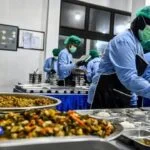
In addition to MSMEs, the MBG program also has positive impacts on community members who participate as volunteers in SPPG units. According to the research led by Fentiny Nugroho from the University of Indonesia, volunteers receive daily income that helps improve their welfare. For some individuals who previously did not have stable employment, the program offers an opportunity to obtain a more reliable source of income.
The daily income earned by these volunteers has a direct effect on improving the welfare of their families. With this additional income, daily needs can be met more effectively. This demonstrates that the MBG program plays a role not only in fulfilling nutritional needs but also in driving economic activity at the community level.
In the short term, the MBG program provides various benefits that can be directly felt by the community. The program helps ensure access to nutritious meals for children, increases economic activity at the local level, strengthens the role of MSMEs, and opens new employment opportunities for local residents.
In the long term, the benefits of the MBG program become even more apparent. As MSMEs continue to grow and community involvement expands, local economic activity will increase. The growth of small businesses, rising community income, and expanding employment opportunities serve as clear indicators of the program’s economic impact.
Beyond economic benefits, the MBG program also contributes to the development of Indonesia’s human resources. By ensuring adequate nutrition during school-age years, children are expected to grow with better physical health, improved learning abilities, and optimal cognitive development. This condition becomes an important foundation for building a high-quality future generation.
Meanwhile, the Director of Community Empowerment and Participation at the National Nutrition Agency of Indonesia, Tengku Sahdan, stated that synergy between MSMEs, cooperatives, and village-owned enterprises (BUMDes) is a key factor in ensuring the smooth supply of food ingredients for the MBG program.
Local village potential, such as agricultural products, livestock production, and various community businesses, can be utilized as sources of raw materials for the program. By leveraging these local resources, the program not only meets children’s nutritional needs but also generates direct economic impacts for rural communities.
Ultimately, the synergy between the MBG program and MSMEs demonstrates a mutually beneficial relationship that delivers tangible results for society. Government programs create market opportunities for small business actors, while MSMEs help ensure the availability of food supplies for the national nutrition program.
This mutually reinforcing relationship makes MBG and MSMEs a clear example of a symbiosis that brings broad benefits to society. Through continuous guidance, collaboration among various stakeholders, and the utilization of local economic potential, the MBG program not only improves the nutritional quality of Indonesian children but also promotes sustainable economic growth for communities toward a more prosperous Indonesia.
Asep Faturahman is a student from Bandung currently residing in Garut.
