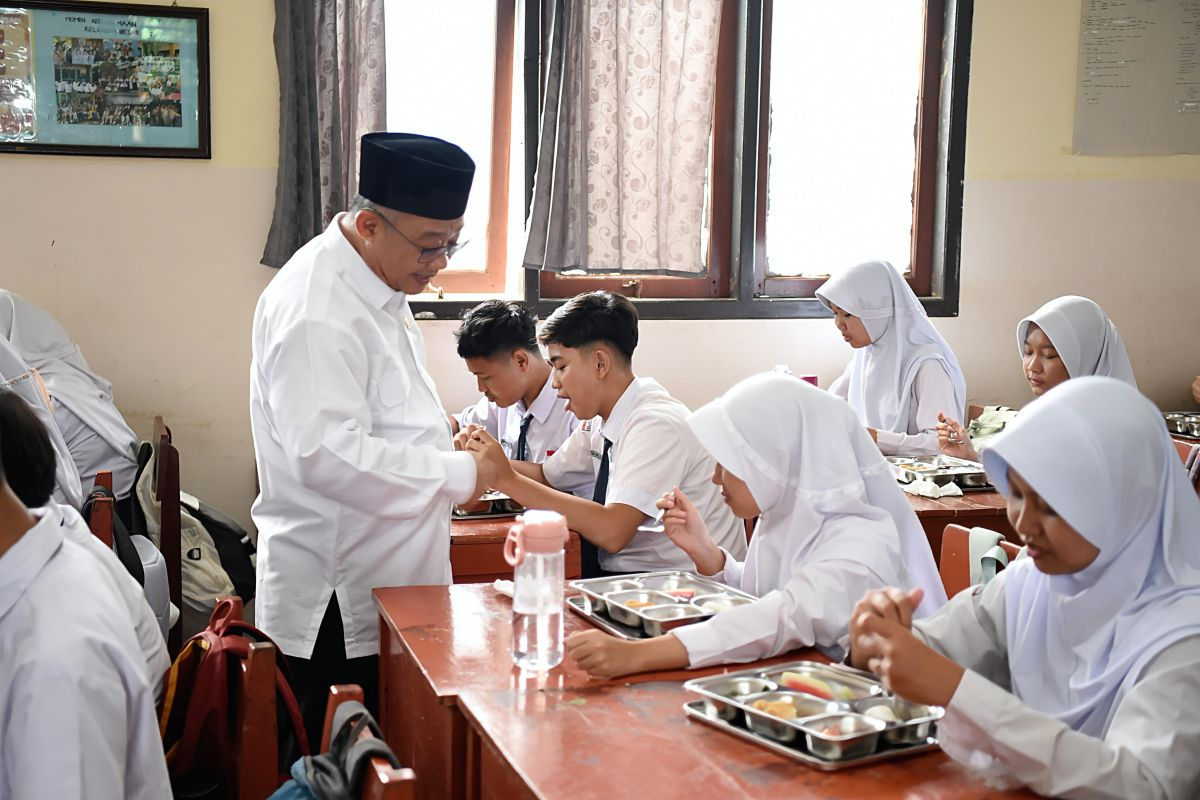

Jakarta – The Free Nutritious Meal Program (MBG) is increasingly being recognized as a strategic policy capable of improving the quality of education while strengthening the competitiveness of Indonesia’s young generation. Various academics believe that this program is not merely social assistance, but rather a long-term investment in developing superior Human Resources (HR).
Professor of Food Security and Nutrition at Bogor Agricultural University (IPB), Ahmad Sulaeman, MS, emphasized that MBG should not be viewed as a burden on the education sector. Rather, this program is an integral part of the education system itself.
“MBG is part of education, also to build nationalism and alleviate poverty,” he said.
According to Ahmad, meeting children’s daily nutritional needs plays a crucial role in supporting successful learning. This has been proven by various international scientific studies. Children who receive a balanced nutritional intake have been shown to have better concentration, stronger memory, and more stable academic performance.
Vice Dean II of the Faculty of Health Sciences, Muhammadiyah University, Prof. Dr. Hamka’s head, Leni Sri Rahayu, assessed that the MBG program plays a strategic role in supporting national education goals. She emphasized that optimal nutrition is crucial for children’s growth and development, both physically and cognitively.
“From its objectives and impacts, the MBG program does not conflict with educational goals; in fact, it reinforces each other. Both aim to optimize individual capacity so they can learn optimally and live independently in the future,” she explained.
Leni also noted that malnutrition and stunting remain serious challenges in Indonesia.
With the MBG program, the government is considered to have taken the right steps to break the chain of nutritional problems early on. This program not only ensures children receive adequate nutrition but also creates a strong foundation for improving the quality of national education.
Furthermore, the implementation of the MBG program is believed to be able to create a healthy, intelligent, and globally competitive generation. When children’s basic needs are met, they can focus on learning and develop their potential more optimally. This will certainly boost the nation’s competitiveness in the future.
Through synergy between education policies and nutrition interventions such as MBG, Indonesia has a great opportunity to produce a golden generation that is ready to face global challenges and contribute to national development.
